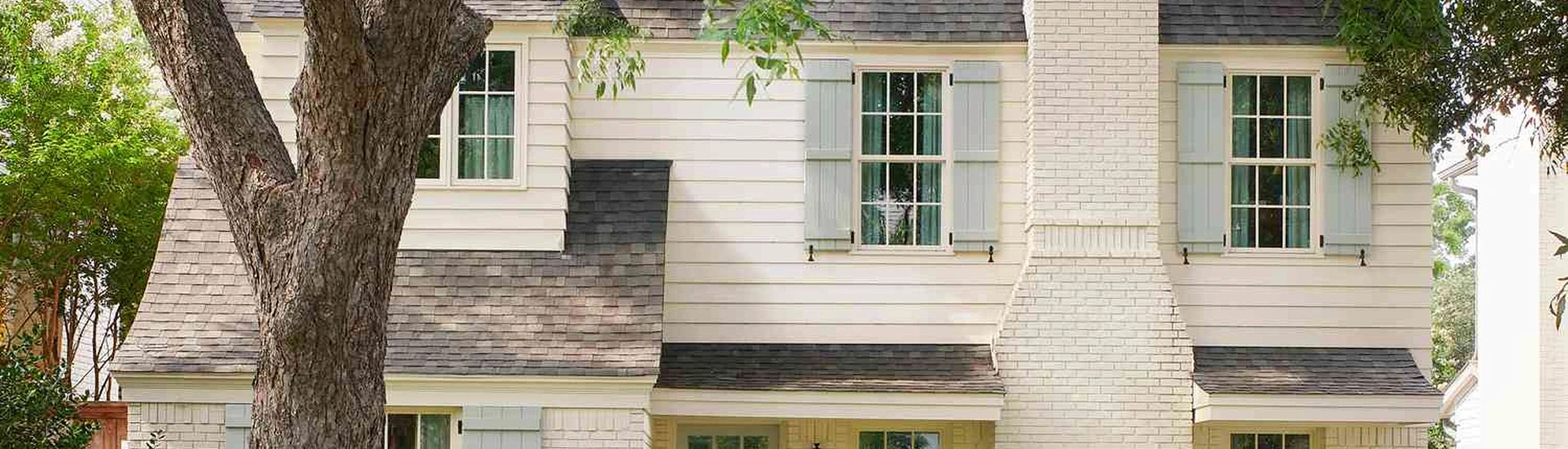
Exterior Painting in Austin: When To Paint Before Spring Storms
Exterior Painting in Austin: When To Paint Before Spring Storms
Exterior Painting in Austin: When To Paint Before Spring Storms
Exterior Painting in Austin: When To Paint Before Spring Storms
Exterior Painting in Austin: When To Paint Before Spring Storms
Exterior Painting in Austin: When To Paint Before Spring Storms
Exterior Painting in Austin: When To Paint Before Spring Storms
Exterior Painting in Austin: When To Paint Before Spring Storms
Exterior Painting in Austin: When To Paint Before Spring Storms
Exterior Painting in Austin: When To Paint Before Spring Storms



Request a Quote or Ask a Question
Request a Quote or Ask a Question
Request a Quote or Ask a Question
Request a Quote or Ask a Question
Request a Quote or Ask a Question
Request a Quote or Ask a Question
Request a Quote or Ask a Question
Request a Quote or Ask a Question
Request a Quote or Ask a Question
Planning window before spring storm bursts. If you are thinking about exterior painting in Austin, the “when” matters almost as much as the color. Cooler mornings and warmer afternoons can make problems easier to spot, like hairline cracks, failing caulk, and chalky siding. But the same season can also bring quick storm rounds that disrupt drying and leave you stuck in a half-finished job.
This homeowner-first guide is a practical planning checklist. You will learn how Austin’s spring pattern affects paint, how to choose the best window before storms ramp up, and what a professional plan looks like from prep to final walkthrough. You will also get a simple month-by-month way to think about scheduling, plus a local scenario that shows how a smart plan prevents peeling and blotchy sheen.
Why Spring Timing Matters In Austin
Austin sits in a humid subtropical pattern with short, mild winters and warm spring transitions. The National Weather Service climate summary for Austin notes the city averages around 35.5 inches of rainfall per year and lists May, October, and June as the wettest months. That detail alone explains a lot: the closer you get to late spring, the more you are competing with wet spells and high humidity.
Spring also brings stronger thunderstorm potential across Texas. The National Weather Service defines a severe thunderstorm as one producing damaging wind gusts of 58 mph or greater and/or hail one inch in diameter or larger. And NOAA’s National Severe Storms Laboratory explains that most thunderstorms produce straight-line winds as a result of outflow generated by a thunderstorm downdraft. Those gusts are the kind that drive rain sideways, slam debris into siding, and force moisture into tiny gaps at trim and soffits.
For exterior painting in Austin, this creates a clear planning goal: finish your prep and coatings during a stable stretch so paint can cure properly before the next burst of wind-driven rain.
The Three Weather Factors That Make Or Break Exterior Paint
You do not need to be a meteorologist to plan well. Focus on three things that affect almost every exterior coating system.
Temperature Swings
Paint needs predictable conditions to dry and cure. In early spring, Austin can shift from cool mornings to warm afternoons. That can be great for work pace, but it can also cause “surface dry” paint that is not fully cured if a cold night follows too soon.
Planning tip: Aim for a run of days where daytime temps are comfortably mild and nights are not dipping too low.
Humidity And Overnight Moisture
High humidity slows drying and can trap moisture on surfaces. Morning dew can linger on shaded sides of the home, especially near tree cover. You may feel like the wall is dry, but it can still hold surface moisture that affects adhesion.
Planning tip: Schedule work so the morning starts with dry surfaces, not damp siding.
Wind And Blowing Debris
Wind is a double-edged sword. A light breeze helps surfaces dry, but stronger winds carry dust and pollen that can stick to fresh paint. Outflow winds from thunderstorms can arrive fast, which NOAA NSSL notes are common with thunderstorms.
Planning tip: Avoid painting when gusts are high or storms are building nearby.
The Best Time Window For exterior painting in Austin Before Spring Storms
You are not trying to find the “perfect” day. You are trying to find the best window.
Early Spring: The Planning Sweet Spot
In many years, early spring provides milder temps and a better chance of stable stretches. This is when you can:
Wash and dry surfaces fully
Repair trim and caulk lines
Prime exposed areas
Apply finish coats with fewer weather interruptions
Late Spring: Higher Risk, Higher Pace
As you approach May and June, rainfall risk rises in Austin. You can still paint, but the schedule needs more flexibility and faster execution between weather breaks.
Bottom line: If your goal is a smoother job with less stop-and-start, plan exterior painting in Austin earlier rather than later.
A Simple “Month Calendar” Planning Approach
Use this as the logic behind the visual calendar graphic.
February To Early March: Inspection And Prep Planning
Walk the home and note failing caulk, peeling zones, and exposed wood
Identify “problem sides” (north shade, tree-heavy elevations, sprinkler overspray)
Decide whether you need repairs before painting (rot, fascia issues, loose trim)
Mid March To April: Prime Painting Window
Target stable stretches for washing, drying, and coating
Avoid painting right before a forecasted storm line
Build in at least one buffer day for touch-ups
May To Early June: Paint Only With A Tight Plan
Austin’s rainfall peaks in May and June. If you paint during this time:
Keep scope tighter (one elevation at a time)
Prioritize quick dry-time coordination
Avoid leaving exposed primer for days
This planning approach is the heart of exterior painting in Austin done the smart way: fewer surprises, cleaner finish, and less stress.
What To Fix Before You Paint
Paint does not fix building problems. It covers them until they break through again. Here is what experienced exterior crews check first.
Caulk And Seal Failures At Trim
If caulk is split at window trim, corner boards, or fascia joints, water can creep behind paint. That is when you see peeling that looks random but is actually following moisture paths.
Wood Rot At Fascia And Siding Edges
Austin storms and irrigation patterns can keep certain edges damp. If fascia boards are soft, paint will not hold long. Replace or repair the wood first, then prime correctly.
Chalky Or Powdery Surfaces
If you rub siding and get a dusty residue, that is chalking. Paint needs a stable surface, which often means thorough washing and sometimes bonding primer.
Gutter And Roofline Drip Zones
This is where roofing knowledge helps. Overflowing gutters can soak fascia and siding repeatedly. Even a perfect paint job will struggle if water keeps dumping where it should not.
A good exterior painting in Austin plan includes checking those roofline and drainage details before the first coat goes on.
A Local Austin Scenario: The Paint Job That Failed For A Predictable Reason
A homeowner in the Austin area scheduled painting after noticing peeling on the sun-facing side. The prior painter had “touched up” spots, but the peeling returned within a season.
During evaluation, the issue was not only sun exposure. The real problem was a failed caulk at the top of trim boards and a gutter section that overflowed during heavy rain. When thunderstorm outflow winds push rain sideways, water gets driven into those gaps. NOAA notes that straight-line winds from thunderstorm outflow are common. That repeated wetting cycle caused paint to lift from the edges.
The fix was simple but specific:
Repair the gutter drip point
Remove loose paint properly
Re-caulk and seal trim transitions
Prime exposed wood
Apply finish coats during a stable weather window
That is the difference between “painting over it” and a planned exterior painting in Austin project that is built around moisture control.
Practical Prep Steps Homeowners Can Do Without Risk
You do not need to climb or do unsafe work to help the project succeed.
Trim vegetation back so walls can dry faster after rain or dew
Move outdoor items away from the home (grills, planters, patio furniture)
Mark problem areas with painter’s tape at ground level so crews can find them quickly
Note sprinkler spray patterns that hit siding or trim
If you want the paint crew to be efficient, this prep makes a real difference in exterior painting in Austin scheduling and finish quality.
Repair Vs Repaint: How To Decide What You Really Need
A quick rule:
If paint is intact but faded, you may need cleaning and repainting.
If paint is peeling, bubbling, or lifting at edges, you likely need repairs and prep changes first.
If you see staining that could be moisture-related, treat it as an evaluation item, not a paint-only item. Paint is part of the solution, but only after the cause is understood.
Realistic Outcomes Without Overpromising
Per compliance: no lifetime language and no warranty-heavy promises.
Here is what homeowners can realistically expect from well-planned exterior painting in Austin:
A cleaner, more even finish that looks consistent in sunlight and shade
Better protection for trim and siding when prep and priming are done right
Fewer early touch-ups because failures were addressed at the source
Improved curb appeal and a home that feels “maintained,” not patched
We do not guarantee lower utility bills. Comfort can improve around leaky trim or drafty areas when sealing is corrected, but results vary by home.
Service Options With Big Boy Roofing
Big Boy Roofing approaches exterior work with a building-envelope mindset. That means we look at the roofline, gutters, trim, and the surfaces being coated, because they all work together.
If you want to review service details, visit our Painting Service page.
If you prefer to speak with someone in person, you can also visit us in Belton, TX. If you want to beat the spring storm bursts with a clean schedule and the right prep, plan now. Request exterior painting in Austin with Big Boy Roofing and get a clear exterior painting plan and estimate built around timing, moisture control, and a straightforward scope.
Request an exterior painting plan and estimate.
Frequently Asked Questions
When Is The Best Time For Exterior Painting in Austin Before Spring Storms?
Earlier spring is often easier to schedule because you have more stable stretches and fewer rain interruptions. Austin’s climate summary notes May and June are among the wettest months.
How Do Storm Winds Affect Exterior Paint Projects?
Thunderstorm winds can push rain into small gaps at trim and can also blow dust onto fresh paint. NOAA’s NSSL notes most thunderstorms produce straight-line winds from downdraft outflow. Planning around weather windows helps avoid rushed drying and surface contamination.
Should I Paint If I See Peeling Near Windows Or Fascia?
Peeling usually points to prep failure or moisture. The best approach is to identify why that area is staying wet (failed caulk, gutter overflow, wood damage) and fix it before coating.
Do I Need To Repaint The Whole House Or Just One Side?
It depends on sun exposure, chalking, and how consistent you want the finish to look. Many Austin homes have one elevation that fails faster due to sun and wind exposure. A site review helps define a practical scope.
Will New Paint Make My Home “Weatherproof”?
Paint helps protect surfaces, but it is not a cure-all. The best results come from good prep, correct priming, and fixing water paths first. We focus on realistic outcomes, not lifetime-style promises.
Planning window before spring storm bursts. If you are thinking about exterior painting in Austin, the “when” matters almost as much as the color. Cooler mornings and warmer afternoons can make problems easier to spot, like hairline cracks, failing caulk, and chalky siding. But the same season can also bring quick storm rounds that disrupt drying and leave you stuck in a half-finished job.
This homeowner-first guide is a practical planning checklist. You will learn how Austin’s spring pattern affects paint, how to choose the best window before storms ramp up, and what a professional plan looks like from prep to final walkthrough. You will also get a simple month-by-month way to think about scheduling, plus a local scenario that shows how a smart plan prevents peeling and blotchy sheen.
Why Spring Timing Matters In Austin
Austin sits in a humid subtropical pattern with short, mild winters and warm spring transitions. The National Weather Service climate summary for Austin notes the city averages around 35.5 inches of rainfall per year and lists May, October, and June as the wettest months. That detail alone explains a lot: the closer you get to late spring, the more you are competing with wet spells and high humidity.
Spring also brings stronger thunderstorm potential across Texas. The National Weather Service defines a severe thunderstorm as one producing damaging wind gusts of 58 mph or greater and/or hail one inch in diameter or larger. And NOAA’s National Severe Storms Laboratory explains that most thunderstorms produce straight-line winds as a result of outflow generated by a thunderstorm downdraft. Those gusts are the kind that drive rain sideways, slam debris into siding, and force moisture into tiny gaps at trim and soffits.
For exterior painting in Austin, this creates a clear planning goal: finish your prep and coatings during a stable stretch so paint can cure properly before the next burst of wind-driven rain.
The Three Weather Factors That Make Or Break Exterior Paint
You do not need to be a meteorologist to plan well. Focus on three things that affect almost every exterior coating system.
Temperature Swings
Paint needs predictable conditions to dry and cure. In early spring, Austin can shift from cool mornings to warm afternoons. That can be great for work pace, but it can also cause “surface dry” paint that is not fully cured if a cold night follows too soon.
Planning tip: Aim for a run of days where daytime temps are comfortably mild and nights are not dipping too low.
Humidity And Overnight Moisture
High humidity slows drying and can trap moisture on surfaces. Morning dew can linger on shaded sides of the home, especially near tree cover. You may feel like the wall is dry, but it can still hold surface moisture that affects adhesion.
Planning tip: Schedule work so the morning starts with dry surfaces, not damp siding.
Wind And Blowing Debris
Wind is a double-edged sword. A light breeze helps surfaces dry, but stronger winds carry dust and pollen that can stick to fresh paint. Outflow winds from thunderstorms can arrive fast, which NOAA NSSL notes are common with thunderstorms.
Planning tip: Avoid painting when gusts are high or storms are building nearby.
The Best Time Window For exterior painting in Austin Before Spring Storms
You are not trying to find the “perfect” day. You are trying to find the best window.
Early Spring: The Planning Sweet Spot
In many years, early spring provides milder temps and a better chance of stable stretches. This is when you can:
Wash and dry surfaces fully
Repair trim and caulk lines
Prime exposed areas
Apply finish coats with fewer weather interruptions
Late Spring: Higher Risk, Higher Pace
As you approach May and June, rainfall risk rises in Austin. You can still paint, but the schedule needs more flexibility and faster execution between weather breaks.
Bottom line: If your goal is a smoother job with less stop-and-start, plan exterior painting in Austin earlier rather than later.
A Simple “Month Calendar” Planning Approach
Use this as the logic behind the visual calendar graphic.
February To Early March: Inspection And Prep Planning
Walk the home and note failing caulk, peeling zones, and exposed wood
Identify “problem sides” (north shade, tree-heavy elevations, sprinkler overspray)
Decide whether you need repairs before painting (rot, fascia issues, loose trim)
Mid March To April: Prime Painting Window
Target stable stretches for washing, drying, and coating
Avoid painting right before a forecasted storm line
Build in at least one buffer day for touch-ups
May To Early June: Paint Only With A Tight Plan
Austin’s rainfall peaks in May and June. If you paint during this time:
Keep scope tighter (one elevation at a time)
Prioritize quick dry-time coordination
Avoid leaving exposed primer for days
This planning approach is the heart of exterior painting in Austin done the smart way: fewer surprises, cleaner finish, and less stress.
What To Fix Before You Paint
Paint does not fix building problems. It covers them until they break through again. Here is what experienced exterior crews check first.
Caulk And Seal Failures At Trim
If caulk is split at window trim, corner boards, or fascia joints, water can creep behind paint. That is when you see peeling that looks random but is actually following moisture paths.
Wood Rot At Fascia And Siding Edges
Austin storms and irrigation patterns can keep certain edges damp. If fascia boards are soft, paint will not hold long. Replace or repair the wood first, then prime correctly.
Chalky Or Powdery Surfaces
If you rub siding and get a dusty residue, that is chalking. Paint needs a stable surface, which often means thorough washing and sometimes bonding primer.
Gutter And Roofline Drip Zones
This is where roofing knowledge helps. Overflowing gutters can soak fascia and siding repeatedly. Even a perfect paint job will struggle if water keeps dumping where it should not.
A good exterior painting in Austin plan includes checking those roofline and drainage details before the first coat goes on.
A Local Austin Scenario: The Paint Job That Failed For A Predictable Reason
A homeowner in the Austin area scheduled painting after noticing peeling on the sun-facing side. The prior painter had “touched up” spots, but the peeling returned within a season.
During evaluation, the issue was not only sun exposure. The real problem was a failed caulk at the top of trim boards and a gutter section that overflowed during heavy rain. When thunderstorm outflow winds push rain sideways, water gets driven into those gaps. NOAA notes that straight-line winds from thunderstorm outflow are common. That repeated wetting cycle caused paint to lift from the edges.
The fix was simple but specific:
Repair the gutter drip point
Remove loose paint properly
Re-caulk and seal trim transitions
Prime exposed wood
Apply finish coats during a stable weather window
That is the difference between “painting over it” and a planned exterior painting in Austin project that is built around moisture control.
Practical Prep Steps Homeowners Can Do Without Risk
You do not need to climb or do unsafe work to help the project succeed.
Trim vegetation back so walls can dry faster after rain or dew
Move outdoor items away from the home (grills, planters, patio furniture)
Mark problem areas with painter’s tape at ground level so crews can find them quickly
Note sprinkler spray patterns that hit siding or trim
If you want the paint crew to be efficient, this prep makes a real difference in exterior painting in Austin scheduling and finish quality.
Repair Vs Repaint: How To Decide What You Really Need
A quick rule:
If paint is intact but faded, you may need cleaning and repainting.
If paint is peeling, bubbling, or lifting at edges, you likely need repairs and prep changes first.
If you see staining that could be moisture-related, treat it as an evaluation item, not a paint-only item. Paint is part of the solution, but only after the cause is understood.
Realistic Outcomes Without Overpromising
Per compliance: no lifetime language and no warranty-heavy promises.
Here is what homeowners can realistically expect from well-planned exterior painting in Austin:
A cleaner, more even finish that looks consistent in sunlight and shade
Better protection for trim and siding when prep and priming are done right
Fewer early touch-ups because failures were addressed at the source
Improved curb appeal and a home that feels “maintained,” not patched
We do not guarantee lower utility bills. Comfort can improve around leaky trim or drafty areas when sealing is corrected, but results vary by home.
Service Options With Big Boy Roofing
Big Boy Roofing approaches exterior work with a building-envelope mindset. That means we look at the roofline, gutters, trim, and the surfaces being coated, because they all work together.
If you want to review service details, visit our Painting Service page.
If you prefer to speak with someone in person, you can also visit us in Belton, TX. If you want to beat the spring storm bursts with a clean schedule and the right prep, plan now. Request exterior painting in Austin with Big Boy Roofing and get a clear exterior painting plan and estimate built around timing, moisture control, and a straightforward scope.
Request an exterior painting plan and estimate.
Frequently Asked Questions
When Is The Best Time For Exterior Painting in Austin Before Spring Storms?
Earlier spring is often easier to schedule because you have more stable stretches and fewer rain interruptions. Austin’s climate summary notes May and June are among the wettest months.
How Do Storm Winds Affect Exterior Paint Projects?
Thunderstorm winds can push rain into small gaps at trim and can also blow dust onto fresh paint. NOAA’s NSSL notes most thunderstorms produce straight-line winds from downdraft outflow. Planning around weather windows helps avoid rushed drying and surface contamination.
Should I Paint If I See Peeling Near Windows Or Fascia?
Peeling usually points to prep failure or moisture. The best approach is to identify why that area is staying wet (failed caulk, gutter overflow, wood damage) and fix it before coating.
Do I Need To Repaint The Whole House Or Just One Side?
It depends on sun exposure, chalking, and how consistent you want the finish to look. Many Austin homes have one elevation that fails faster due to sun and wind exposure. A site review helps define a practical scope.
Will New Paint Make My Home “Weatherproof”?
Paint helps protect surfaces, but it is not a cure-all. The best results come from good prep, correct priming, and fixing water paths first. We focus on realistic outcomes, not lifetime-style promises.
Planning window before spring storm bursts. If you are thinking about exterior painting in Austin, the “when” matters almost as much as the color. Cooler mornings and warmer afternoons can make problems easier to spot, like hairline cracks, failing caulk, and chalky siding. But the same season can also bring quick storm rounds that disrupt drying and leave you stuck in a half-finished job.
This homeowner-first guide is a practical planning checklist. You will learn how Austin’s spring pattern affects paint, how to choose the best window before storms ramp up, and what a professional plan looks like from prep to final walkthrough. You will also get a simple month-by-month way to think about scheduling, plus a local scenario that shows how a smart plan prevents peeling and blotchy sheen.
Why Spring Timing Matters In Austin
Austin sits in a humid subtropical pattern with short, mild winters and warm spring transitions. The National Weather Service climate summary for Austin notes the city averages around 35.5 inches of rainfall per year and lists May, October, and June as the wettest months. That detail alone explains a lot: the closer you get to late spring, the more you are competing with wet spells and high humidity.
Spring also brings stronger thunderstorm potential across Texas. The National Weather Service defines a severe thunderstorm as one producing damaging wind gusts of 58 mph or greater and/or hail one inch in diameter or larger. And NOAA’s National Severe Storms Laboratory explains that most thunderstorms produce straight-line winds as a result of outflow generated by a thunderstorm downdraft. Those gusts are the kind that drive rain sideways, slam debris into siding, and force moisture into tiny gaps at trim and soffits.
For exterior painting in Austin, this creates a clear planning goal: finish your prep and coatings during a stable stretch so paint can cure properly before the next burst of wind-driven rain.
The Three Weather Factors That Make Or Break Exterior Paint
You do not need to be a meteorologist to plan well. Focus on three things that affect almost every exterior coating system.
Temperature Swings
Paint needs predictable conditions to dry and cure. In early spring, Austin can shift from cool mornings to warm afternoons. That can be great for work pace, but it can also cause “surface dry” paint that is not fully cured if a cold night follows too soon.
Planning tip: Aim for a run of days where daytime temps are comfortably mild and nights are not dipping too low.
Humidity And Overnight Moisture
High humidity slows drying and can trap moisture on surfaces. Morning dew can linger on shaded sides of the home, especially near tree cover. You may feel like the wall is dry, but it can still hold surface moisture that affects adhesion.
Planning tip: Schedule work so the morning starts with dry surfaces, not damp siding.
Wind And Blowing Debris
Wind is a double-edged sword. A light breeze helps surfaces dry, but stronger winds carry dust and pollen that can stick to fresh paint. Outflow winds from thunderstorms can arrive fast, which NOAA NSSL notes are common with thunderstorms.
Planning tip: Avoid painting when gusts are high or storms are building nearby.
The Best Time Window For exterior painting in Austin Before Spring Storms
You are not trying to find the “perfect” day. You are trying to find the best window.
Early Spring: The Planning Sweet Spot
In many years, early spring provides milder temps and a better chance of stable stretches. This is when you can:
Wash and dry surfaces fully
Repair trim and caulk lines
Prime exposed areas
Apply finish coats with fewer weather interruptions
Late Spring: Higher Risk, Higher Pace
As you approach May and June, rainfall risk rises in Austin. You can still paint, but the schedule needs more flexibility and faster execution between weather breaks.
Bottom line: If your goal is a smoother job with less stop-and-start, plan exterior painting in Austin earlier rather than later.
A Simple “Month Calendar” Planning Approach
Use this as the logic behind the visual calendar graphic.
February To Early March: Inspection And Prep Planning
Walk the home and note failing caulk, peeling zones, and exposed wood
Identify “problem sides” (north shade, tree-heavy elevations, sprinkler overspray)
Decide whether you need repairs before painting (rot, fascia issues, loose trim)
Mid March To April: Prime Painting Window
Target stable stretches for washing, drying, and coating
Avoid painting right before a forecasted storm line
Build in at least one buffer day for touch-ups
May To Early June: Paint Only With A Tight Plan
Austin’s rainfall peaks in May and June. If you paint during this time:
Keep scope tighter (one elevation at a time)
Prioritize quick dry-time coordination
Avoid leaving exposed primer for days
This planning approach is the heart of exterior painting in Austin done the smart way: fewer surprises, cleaner finish, and less stress.
What To Fix Before You Paint
Paint does not fix building problems. It covers them until they break through again. Here is what experienced exterior crews check first.
Caulk And Seal Failures At Trim
If caulk is split at window trim, corner boards, or fascia joints, water can creep behind paint. That is when you see peeling that looks random but is actually following moisture paths.
Wood Rot At Fascia And Siding Edges
Austin storms and irrigation patterns can keep certain edges damp. If fascia boards are soft, paint will not hold long. Replace or repair the wood first, then prime correctly.
Chalky Or Powdery Surfaces
If you rub siding and get a dusty residue, that is chalking. Paint needs a stable surface, which often means thorough washing and sometimes bonding primer.
Gutter And Roofline Drip Zones
This is where roofing knowledge helps. Overflowing gutters can soak fascia and siding repeatedly. Even a perfect paint job will struggle if water keeps dumping where it should not.
A good exterior painting in Austin plan includes checking those roofline and drainage details before the first coat goes on.
A Local Austin Scenario: The Paint Job That Failed For A Predictable Reason
A homeowner in the Austin area scheduled painting after noticing peeling on the sun-facing side. The prior painter had “touched up” spots, but the peeling returned within a season.
During evaluation, the issue was not only sun exposure. The real problem was a failed caulk at the top of trim boards and a gutter section that overflowed during heavy rain. When thunderstorm outflow winds push rain sideways, water gets driven into those gaps. NOAA notes that straight-line winds from thunderstorm outflow are common. That repeated wetting cycle caused paint to lift from the edges.
The fix was simple but specific:
Repair the gutter drip point
Remove loose paint properly
Re-caulk and seal trim transitions
Prime exposed wood
Apply finish coats during a stable weather window
That is the difference between “painting over it” and a planned exterior painting in Austin project that is built around moisture control.
Practical Prep Steps Homeowners Can Do Without Risk
You do not need to climb or do unsafe work to help the project succeed.
Trim vegetation back so walls can dry faster after rain or dew
Move outdoor items away from the home (grills, planters, patio furniture)
Mark problem areas with painter’s tape at ground level so crews can find them quickly
Note sprinkler spray patterns that hit siding or trim
If you want the paint crew to be efficient, this prep makes a real difference in exterior painting in Austin scheduling and finish quality.
Repair Vs Repaint: How To Decide What You Really Need
A quick rule:
If paint is intact but faded, you may need cleaning and repainting.
If paint is peeling, bubbling, or lifting at edges, you likely need repairs and prep changes first.
If you see staining that could be moisture-related, treat it as an evaluation item, not a paint-only item. Paint is part of the solution, but only after the cause is understood.
Realistic Outcomes Without Overpromising
Per compliance: no lifetime language and no warranty-heavy promises.
Here is what homeowners can realistically expect from well-planned exterior painting in Austin:
A cleaner, more even finish that looks consistent in sunlight and shade
Better protection for trim and siding when prep and priming are done right
Fewer early touch-ups because failures were addressed at the source
Improved curb appeal and a home that feels “maintained,” not patched
We do not guarantee lower utility bills. Comfort can improve around leaky trim or drafty areas when sealing is corrected, but results vary by home.
Service Options With Big Boy Roofing
Big Boy Roofing approaches exterior work with a building-envelope mindset. That means we look at the roofline, gutters, trim, and the surfaces being coated, because they all work together.
If you want to review service details, visit our Painting Service page.
If you prefer to speak with someone in person, you can also visit us in Belton, TX. If you want to beat the spring storm bursts with a clean schedule and the right prep, plan now. Request exterior painting in Austin with Big Boy Roofing and get a clear exterior painting plan and estimate built around timing, moisture control, and a straightforward scope.
Request an exterior painting plan and estimate.
Frequently Asked Questions
When Is The Best Time For Exterior Painting in Austin Before Spring Storms?
Earlier spring is often easier to schedule because you have more stable stretches and fewer rain interruptions. Austin’s climate summary notes May and June are among the wettest months.
How Do Storm Winds Affect Exterior Paint Projects?
Thunderstorm winds can push rain into small gaps at trim and can also blow dust onto fresh paint. NOAA’s NSSL notes most thunderstorms produce straight-line winds from downdraft outflow. Planning around weather windows helps avoid rushed drying and surface contamination.
Should I Paint If I See Peeling Near Windows Or Fascia?
Peeling usually points to prep failure or moisture. The best approach is to identify why that area is staying wet (failed caulk, gutter overflow, wood damage) and fix it before coating.
Do I Need To Repaint The Whole House Or Just One Side?
It depends on sun exposure, chalking, and how consistent you want the finish to look. Many Austin homes have one elevation that fails faster due to sun and wind exposure. A site review helps define a practical scope.
Will New Paint Make My Home “Weatherproof”?
Paint helps protect surfaces, but it is not a cure-all. The best results come from good prep, correct priming, and fixing water paths first. We focus on realistic outcomes, not lifetime-style promises.
Planning window before spring storm bursts. If you are thinking about exterior painting in Austin, the “when” matters almost as much as the color. Cooler mornings and warmer afternoons can make problems easier to spot, like hairline cracks, failing caulk, and chalky siding. But the same season can also bring quick storm rounds that disrupt drying and leave you stuck in a half-finished job.
This homeowner-first guide is a practical planning checklist. You will learn how Austin’s spring pattern affects paint, how to choose the best window before storms ramp up, and what a professional plan looks like from prep to final walkthrough. You will also get a simple month-by-month way to think about scheduling, plus a local scenario that shows how a smart plan prevents peeling and blotchy sheen.
Why Spring Timing Matters In Austin
Austin sits in a humid subtropical pattern with short, mild winters and warm spring transitions. The National Weather Service climate summary for Austin notes the city averages around 35.5 inches of rainfall per year and lists May, October, and June as the wettest months. That detail alone explains a lot: the closer you get to late spring, the more you are competing with wet spells and high humidity.
Spring also brings stronger thunderstorm potential across Texas. The National Weather Service defines a severe thunderstorm as one producing damaging wind gusts of 58 mph or greater and/or hail one inch in diameter or larger. And NOAA’s National Severe Storms Laboratory explains that most thunderstorms produce straight-line winds as a result of outflow generated by a thunderstorm downdraft. Those gusts are the kind that drive rain sideways, slam debris into siding, and force moisture into tiny gaps at trim and soffits.
For exterior painting in Austin, this creates a clear planning goal: finish your prep and coatings during a stable stretch so paint can cure properly before the next burst of wind-driven rain.
The Three Weather Factors That Make Or Break Exterior Paint
You do not need to be a meteorologist to plan well. Focus on three things that affect almost every exterior coating system.
Temperature Swings
Paint needs predictable conditions to dry and cure. In early spring, Austin can shift from cool mornings to warm afternoons. That can be great for work pace, but it can also cause “surface dry” paint that is not fully cured if a cold night follows too soon.
Planning tip: Aim for a run of days where daytime temps are comfortably mild and nights are not dipping too low.
Humidity And Overnight Moisture
High humidity slows drying and can trap moisture on surfaces. Morning dew can linger on shaded sides of the home, especially near tree cover. You may feel like the wall is dry, but it can still hold surface moisture that affects adhesion.
Planning tip: Schedule work so the morning starts with dry surfaces, not damp siding.
Wind And Blowing Debris
Wind is a double-edged sword. A light breeze helps surfaces dry, but stronger winds carry dust and pollen that can stick to fresh paint. Outflow winds from thunderstorms can arrive fast, which NOAA NSSL notes are common with thunderstorms.
Planning tip: Avoid painting when gusts are high or storms are building nearby.
The Best Time Window For exterior painting in Austin Before Spring Storms
You are not trying to find the “perfect” day. You are trying to find the best window.
Early Spring: The Planning Sweet Spot
In many years, early spring provides milder temps and a better chance of stable stretches. This is when you can:
Wash and dry surfaces fully
Repair trim and caulk lines
Prime exposed areas
Apply finish coats with fewer weather interruptions
Late Spring: Higher Risk, Higher Pace
As you approach May and June, rainfall risk rises in Austin. You can still paint, but the schedule needs more flexibility and faster execution between weather breaks.
Bottom line: If your goal is a smoother job with less stop-and-start, plan exterior painting in Austin earlier rather than later.
A Simple “Month Calendar” Planning Approach
Use this as the logic behind the visual calendar graphic.
February To Early March: Inspection And Prep Planning
Walk the home and note failing caulk, peeling zones, and exposed wood
Identify “problem sides” (north shade, tree-heavy elevations, sprinkler overspray)
Decide whether you need repairs before painting (rot, fascia issues, loose trim)
Mid March To April: Prime Painting Window
Target stable stretches for washing, drying, and coating
Avoid painting right before a forecasted storm line
Build in at least one buffer day for touch-ups
May To Early June: Paint Only With A Tight Plan
Austin’s rainfall peaks in May and June. If you paint during this time:
Keep scope tighter (one elevation at a time)
Prioritize quick dry-time coordination
Avoid leaving exposed primer for days
This planning approach is the heart of exterior painting in Austin done the smart way: fewer surprises, cleaner finish, and less stress.
What To Fix Before You Paint
Paint does not fix building problems. It covers them until they break through again. Here is what experienced exterior crews check first.
Caulk And Seal Failures At Trim
If caulk is split at window trim, corner boards, or fascia joints, water can creep behind paint. That is when you see peeling that looks random but is actually following moisture paths.
Wood Rot At Fascia And Siding Edges
Austin storms and irrigation patterns can keep certain edges damp. If fascia boards are soft, paint will not hold long. Replace or repair the wood first, then prime correctly.
Chalky Or Powdery Surfaces
If you rub siding and get a dusty residue, that is chalking. Paint needs a stable surface, which often means thorough washing and sometimes bonding primer.
Gutter And Roofline Drip Zones
This is where roofing knowledge helps. Overflowing gutters can soak fascia and siding repeatedly. Even a perfect paint job will struggle if water keeps dumping where it should not.
A good exterior painting in Austin plan includes checking those roofline and drainage details before the first coat goes on.
A Local Austin Scenario: The Paint Job That Failed For A Predictable Reason
A homeowner in the Austin area scheduled painting after noticing peeling on the sun-facing side. The prior painter had “touched up” spots, but the peeling returned within a season.
During evaluation, the issue was not only sun exposure. The real problem was a failed caulk at the top of trim boards and a gutter section that overflowed during heavy rain. When thunderstorm outflow winds push rain sideways, water gets driven into those gaps. NOAA notes that straight-line winds from thunderstorm outflow are common. That repeated wetting cycle caused paint to lift from the edges.
The fix was simple but specific:
Repair the gutter drip point
Remove loose paint properly
Re-caulk and seal trim transitions
Prime exposed wood
Apply finish coats during a stable weather window
That is the difference between “painting over it” and a planned exterior painting in Austin project that is built around moisture control.
Practical Prep Steps Homeowners Can Do Without Risk
You do not need to climb or do unsafe work to help the project succeed.
Trim vegetation back so walls can dry faster after rain or dew
Move outdoor items away from the home (grills, planters, patio furniture)
Mark problem areas with painter’s tape at ground level so crews can find them quickly
Note sprinkler spray patterns that hit siding or trim
If you want the paint crew to be efficient, this prep makes a real difference in exterior painting in Austin scheduling and finish quality.
Repair Vs Repaint: How To Decide What You Really Need
A quick rule:
If paint is intact but faded, you may need cleaning and repainting.
If paint is peeling, bubbling, or lifting at edges, you likely need repairs and prep changes first.
If you see staining that could be moisture-related, treat it as an evaluation item, not a paint-only item. Paint is part of the solution, but only after the cause is understood.
Realistic Outcomes Without Overpromising
Per compliance: no lifetime language and no warranty-heavy promises.
Here is what homeowners can realistically expect from well-planned exterior painting in Austin:
A cleaner, more even finish that looks consistent in sunlight and shade
Better protection for trim and siding when prep and priming are done right
Fewer early touch-ups because failures were addressed at the source
Improved curb appeal and a home that feels “maintained,” not patched
We do not guarantee lower utility bills. Comfort can improve around leaky trim or drafty areas when sealing is corrected, but results vary by home.
Service Options With Big Boy Roofing
Big Boy Roofing approaches exterior work with a building-envelope mindset. That means we look at the roofline, gutters, trim, and the surfaces being coated, because they all work together.
If you want to review service details, visit our Painting Service page.
If you prefer to speak with someone in person, you can also visit us in Belton, TX. If you want to beat the spring storm bursts with a clean schedule and the right prep, plan now. Request exterior painting in Austin with Big Boy Roofing and get a clear exterior painting plan and estimate built around timing, moisture control, and a straightforward scope.
Request an exterior painting plan and estimate.
Frequently Asked Questions
When Is The Best Time For Exterior Painting in Austin Before Spring Storms?
Earlier spring is often easier to schedule because you have more stable stretches and fewer rain interruptions. Austin’s climate summary notes May and June are among the wettest months.
How Do Storm Winds Affect Exterior Paint Projects?
Thunderstorm winds can push rain into small gaps at trim and can also blow dust onto fresh paint. NOAA’s NSSL notes most thunderstorms produce straight-line winds from downdraft outflow. Planning around weather windows helps avoid rushed drying and surface contamination.
Should I Paint If I See Peeling Near Windows Or Fascia?
Peeling usually points to prep failure or moisture. The best approach is to identify why that area is staying wet (failed caulk, gutter overflow, wood damage) and fix it before coating.
Do I Need To Repaint The Whole House Or Just One Side?
It depends on sun exposure, chalking, and how consistent you want the finish to look. Many Austin homes have one elevation that fails faster due to sun and wind exposure. A site review helps define a practical scope.
Will New Paint Make My Home “Weatherproof”?
Paint helps protect surfaces, but it is not a cure-all. The best results come from good prep, correct priming, and fixing water paths first. We focus on realistic outcomes, not lifetime-style promises.
Planning window before spring storm bursts. If you are thinking about exterior painting in Austin, the “when” matters almost as much as the color. Cooler mornings and warmer afternoons can make problems easier to spot, like hairline cracks, failing caulk, and chalky siding. But the same season can also bring quick storm rounds that disrupt drying and leave you stuck in a half-finished job.
This homeowner-first guide is a practical planning checklist. You will learn how Austin’s spring pattern affects paint, how to choose the best window before storms ramp up, and what a professional plan looks like from prep to final walkthrough. You will also get a simple month-by-month way to think about scheduling, plus a local scenario that shows how a smart plan prevents peeling and blotchy sheen.
Why Spring Timing Matters In Austin
Austin sits in a humid subtropical pattern with short, mild winters and warm spring transitions. The National Weather Service climate summary for Austin notes the city averages around 35.5 inches of rainfall per year and lists May, October, and June as the wettest months. That detail alone explains a lot: the closer you get to late spring, the more you are competing with wet spells and high humidity.
Spring also brings stronger thunderstorm potential across Texas. The National Weather Service defines a severe thunderstorm as one producing damaging wind gusts of 58 mph or greater and/or hail one inch in diameter or larger. And NOAA’s National Severe Storms Laboratory explains that most thunderstorms produce straight-line winds as a result of outflow generated by a thunderstorm downdraft. Those gusts are the kind that drive rain sideways, slam debris into siding, and force moisture into tiny gaps at trim and soffits.
For exterior painting in Austin, this creates a clear planning goal: finish your prep and coatings during a stable stretch so paint can cure properly before the next burst of wind-driven rain.
The Three Weather Factors That Make Or Break Exterior Paint
You do not need to be a meteorologist to plan well. Focus on three things that affect almost every exterior coating system.
Temperature Swings
Paint needs predictable conditions to dry and cure. In early spring, Austin can shift from cool mornings to warm afternoons. That can be great for work pace, but it can also cause “surface dry” paint that is not fully cured if a cold night follows too soon.
Planning tip: Aim for a run of days where daytime temps are comfortably mild and nights are not dipping too low.
Humidity And Overnight Moisture
High humidity slows drying and can trap moisture on surfaces. Morning dew can linger on shaded sides of the home, especially near tree cover. You may feel like the wall is dry, but it can still hold surface moisture that affects adhesion.
Planning tip: Schedule work so the morning starts with dry surfaces, not damp siding.
Wind And Blowing Debris
Wind is a double-edged sword. A light breeze helps surfaces dry, but stronger winds carry dust and pollen that can stick to fresh paint. Outflow winds from thunderstorms can arrive fast, which NOAA NSSL notes are common with thunderstorms.
Planning tip: Avoid painting when gusts are high or storms are building nearby.
The Best Time Window For exterior painting in Austin Before Spring Storms
You are not trying to find the “perfect” day. You are trying to find the best window.
Early Spring: The Planning Sweet Spot
In many years, early spring provides milder temps and a better chance of stable stretches. This is when you can:
Wash and dry surfaces fully
Repair trim and caulk lines
Prime exposed areas
Apply finish coats with fewer weather interruptions
Late Spring: Higher Risk, Higher Pace
As you approach May and June, rainfall risk rises in Austin. You can still paint, but the schedule needs more flexibility and faster execution between weather breaks.
Bottom line: If your goal is a smoother job with less stop-and-start, plan exterior painting in Austin earlier rather than later.
A Simple “Month Calendar” Planning Approach
Use this as the logic behind the visual calendar graphic.
February To Early March: Inspection And Prep Planning
Walk the home and note failing caulk, peeling zones, and exposed wood
Identify “problem sides” (north shade, tree-heavy elevations, sprinkler overspray)
Decide whether you need repairs before painting (rot, fascia issues, loose trim)
Mid March To April: Prime Painting Window
Target stable stretches for washing, drying, and coating
Avoid painting right before a forecasted storm line
Build in at least one buffer day for touch-ups
May To Early June: Paint Only With A Tight Plan
Austin’s rainfall peaks in May and June. If you paint during this time:
Keep scope tighter (one elevation at a time)
Prioritize quick dry-time coordination
Avoid leaving exposed primer for days
This planning approach is the heart of exterior painting in Austin done the smart way: fewer surprises, cleaner finish, and less stress.
What To Fix Before You Paint
Paint does not fix building problems. It covers them until they break through again. Here is what experienced exterior crews check first.
Caulk And Seal Failures At Trim
If caulk is split at window trim, corner boards, or fascia joints, water can creep behind paint. That is when you see peeling that looks random but is actually following moisture paths.
Wood Rot At Fascia And Siding Edges
Austin storms and irrigation patterns can keep certain edges damp. If fascia boards are soft, paint will not hold long. Replace or repair the wood first, then prime correctly.
Chalky Or Powdery Surfaces
If you rub siding and get a dusty residue, that is chalking. Paint needs a stable surface, which often means thorough washing and sometimes bonding primer.
Gutter And Roofline Drip Zones
This is where roofing knowledge helps. Overflowing gutters can soak fascia and siding repeatedly. Even a perfect paint job will struggle if water keeps dumping where it should not.
A good exterior painting in Austin plan includes checking those roofline and drainage details before the first coat goes on.
A Local Austin Scenario: The Paint Job That Failed For A Predictable Reason
A homeowner in the Austin area scheduled painting after noticing peeling on the sun-facing side. The prior painter had “touched up” spots, but the peeling returned within a season.
During evaluation, the issue was not only sun exposure. The real problem was a failed caulk at the top of trim boards and a gutter section that overflowed during heavy rain. When thunderstorm outflow winds push rain sideways, water gets driven into those gaps. NOAA notes that straight-line winds from thunderstorm outflow are common. That repeated wetting cycle caused paint to lift from the edges.
The fix was simple but specific:
Repair the gutter drip point
Remove loose paint properly
Re-caulk and seal trim transitions
Prime exposed wood
Apply finish coats during a stable weather window
That is the difference between “painting over it” and a planned exterior painting in Austin project that is built around moisture control.
Practical Prep Steps Homeowners Can Do Without Risk
You do not need to climb or do unsafe work to help the project succeed.
Trim vegetation back so walls can dry faster after rain or dew
Move outdoor items away from the home (grills, planters, patio furniture)
Mark problem areas with painter’s tape at ground level so crews can find them quickly
Note sprinkler spray patterns that hit siding or trim
If you want the paint crew to be efficient, this prep makes a real difference in exterior painting in Austin scheduling and finish quality.
Repair Vs Repaint: How To Decide What You Really Need
A quick rule:
If paint is intact but faded, you may need cleaning and repainting.
If paint is peeling, bubbling, or lifting at edges, you likely need repairs and prep changes first.
If you see staining that could be moisture-related, treat it as an evaluation item, not a paint-only item. Paint is part of the solution, but only after the cause is understood.
Realistic Outcomes Without Overpromising
Per compliance: no lifetime language and no warranty-heavy promises.
Here is what homeowners can realistically expect from well-planned exterior painting in Austin:
A cleaner, more even finish that looks consistent in sunlight and shade
Better protection for trim and siding when prep and priming are done right
Fewer early touch-ups because failures were addressed at the source
Improved curb appeal and a home that feels “maintained,” not patched
We do not guarantee lower utility bills. Comfort can improve around leaky trim or drafty areas when sealing is corrected, but results vary by home.
Service Options With Big Boy Roofing
Big Boy Roofing approaches exterior work with a building-envelope mindset. That means we look at the roofline, gutters, trim, and the surfaces being coated, because they all work together.
If you want to review service details, visit our Painting Service page.
If you prefer to speak with someone in person, you can also visit us in Belton, TX. If you want to beat the spring storm bursts with a clean schedule and the right prep, plan now. Request exterior painting in Austin with Big Boy Roofing and get a clear exterior painting plan and estimate built around timing, moisture control, and a straightforward scope.
Request an exterior painting plan and estimate.
Frequently Asked Questions
When Is The Best Time For Exterior Painting in Austin Before Spring Storms?
Earlier spring is often easier to schedule because you have more stable stretches and fewer rain interruptions. Austin’s climate summary notes May and June are among the wettest months.
How Do Storm Winds Affect Exterior Paint Projects?
Thunderstorm winds can push rain into small gaps at trim and can also blow dust onto fresh paint. NOAA’s NSSL notes most thunderstorms produce straight-line winds from downdraft outflow. Planning around weather windows helps avoid rushed drying and surface contamination.
Should I Paint If I See Peeling Near Windows Or Fascia?
Peeling usually points to prep failure or moisture. The best approach is to identify why that area is staying wet (failed caulk, gutter overflow, wood damage) and fix it before coating.
Do I Need To Repaint The Whole House Or Just One Side?
It depends on sun exposure, chalking, and how consistent you want the finish to look. Many Austin homes have one elevation that fails faster due to sun and wind exposure. A site review helps define a practical scope.
Will New Paint Make My Home “Weatherproof”?
Paint helps protect surfaces, but it is not a cure-all. The best results come from good prep, correct priming, and fixing water paths first. We focus on realistic outcomes, not lifetime-style promises.
Planning window before spring storm bursts. If you are thinking about exterior painting in Austin, the “when” matters almost as much as the color. Cooler mornings and warmer afternoons can make problems easier to spot, like hairline cracks, failing caulk, and chalky siding. But the same season can also bring quick storm rounds that disrupt drying and leave you stuck in a half-finished job.
This homeowner-first guide is a practical planning checklist. You will learn how Austin’s spring pattern affects paint, how to choose the best window before storms ramp up, and what a professional plan looks like from prep to final walkthrough. You will also get a simple month-by-month way to think about scheduling, plus a local scenario that shows how a smart plan prevents peeling and blotchy sheen.
Why Spring Timing Matters In Austin
Austin sits in a humid subtropical pattern with short, mild winters and warm spring transitions. The National Weather Service climate summary for Austin notes the city averages around 35.5 inches of rainfall per year and lists May, October, and June as the wettest months. That detail alone explains a lot: the closer you get to late spring, the more you are competing with wet spells and high humidity.
Spring also brings stronger thunderstorm potential across Texas. The National Weather Service defines a severe thunderstorm as one producing damaging wind gusts of 58 mph or greater and/or hail one inch in diameter or larger. And NOAA’s National Severe Storms Laboratory explains that most thunderstorms produce straight-line winds as a result of outflow generated by a thunderstorm downdraft. Those gusts are the kind that drive rain sideways, slam debris into siding, and force moisture into tiny gaps at trim and soffits.
For exterior painting in Austin, this creates a clear planning goal: finish your prep and coatings during a stable stretch so paint can cure properly before the next burst of wind-driven rain.
The Three Weather Factors That Make Or Break Exterior Paint
You do not need to be a meteorologist to plan well. Focus on three things that affect almost every exterior coating system.
Temperature Swings
Paint needs predictable conditions to dry and cure. In early spring, Austin can shift from cool mornings to warm afternoons. That can be great for work pace, but it can also cause “surface dry” paint that is not fully cured if a cold night follows too soon.
Planning tip: Aim for a run of days where daytime temps are comfortably mild and nights are not dipping too low.
Humidity And Overnight Moisture
High humidity slows drying and can trap moisture on surfaces. Morning dew can linger on shaded sides of the home, especially near tree cover. You may feel like the wall is dry, but it can still hold surface moisture that affects adhesion.
Planning tip: Schedule work so the morning starts with dry surfaces, not damp siding.
Wind And Blowing Debris
Wind is a double-edged sword. A light breeze helps surfaces dry, but stronger winds carry dust and pollen that can stick to fresh paint. Outflow winds from thunderstorms can arrive fast, which NOAA NSSL notes are common with thunderstorms.
Planning tip: Avoid painting when gusts are high or storms are building nearby.
The Best Time Window For exterior painting in Austin Before Spring Storms
You are not trying to find the “perfect” day. You are trying to find the best window.
Early Spring: The Planning Sweet Spot
In many years, early spring provides milder temps and a better chance of stable stretches. This is when you can:
Wash and dry surfaces fully
Repair trim and caulk lines
Prime exposed areas
Apply finish coats with fewer weather interruptions
Late Spring: Higher Risk, Higher Pace
As you approach May and June, rainfall risk rises in Austin. You can still paint, but the schedule needs more flexibility and faster execution between weather breaks.
Bottom line: If your goal is a smoother job with less stop-and-start, plan exterior painting in Austin earlier rather than later.
A Simple “Month Calendar” Planning Approach
Use this as the logic behind the visual calendar graphic.
February To Early March: Inspection And Prep Planning
Walk the home and note failing caulk, peeling zones, and exposed wood
Identify “problem sides” (north shade, tree-heavy elevations, sprinkler overspray)
Decide whether you need repairs before painting (rot, fascia issues, loose trim)
Mid March To April: Prime Painting Window
Target stable stretches for washing, drying, and coating
Avoid painting right before a forecasted storm line
Build in at least one buffer day for touch-ups
May To Early June: Paint Only With A Tight Plan
Austin’s rainfall peaks in May and June. If you paint during this time:
Keep scope tighter (one elevation at a time)
Prioritize quick dry-time coordination
Avoid leaving exposed primer for days
This planning approach is the heart of exterior painting in Austin done the smart way: fewer surprises, cleaner finish, and less stress.
What To Fix Before You Paint
Paint does not fix building problems. It covers them until they break through again. Here is what experienced exterior crews check first.
Caulk And Seal Failures At Trim
If caulk is split at window trim, corner boards, or fascia joints, water can creep behind paint. That is when you see peeling that looks random but is actually following moisture paths.
Wood Rot At Fascia And Siding Edges
Austin storms and irrigation patterns can keep certain edges damp. If fascia boards are soft, paint will not hold long. Replace or repair the wood first, then prime correctly.
Chalky Or Powdery Surfaces
If you rub siding and get a dusty residue, that is chalking. Paint needs a stable surface, which often means thorough washing and sometimes bonding primer.
Gutter And Roofline Drip Zones
This is where roofing knowledge helps. Overflowing gutters can soak fascia and siding repeatedly. Even a perfect paint job will struggle if water keeps dumping where it should not.
A good exterior painting in Austin plan includes checking those roofline and drainage details before the first coat goes on.
A Local Austin Scenario: The Paint Job That Failed For A Predictable Reason
A homeowner in the Austin area scheduled painting after noticing peeling on the sun-facing side. The prior painter had “touched up” spots, but the peeling returned within a season.
During evaluation, the issue was not only sun exposure. The real problem was a failed caulk at the top of trim boards and a gutter section that overflowed during heavy rain. When thunderstorm outflow winds push rain sideways, water gets driven into those gaps. NOAA notes that straight-line winds from thunderstorm outflow are common. That repeated wetting cycle caused paint to lift from the edges.
The fix was simple but specific:
Repair the gutter drip point
Remove loose paint properly
Re-caulk and seal trim transitions
Prime exposed wood
Apply finish coats during a stable weather window
That is the difference between “painting over it” and a planned exterior painting in Austin project that is built around moisture control.
Practical Prep Steps Homeowners Can Do Without Risk
You do not need to climb or do unsafe work to help the project succeed.
Trim vegetation back so walls can dry faster after rain or dew
Move outdoor items away from the home (grills, planters, patio furniture)
Mark problem areas with painter’s tape at ground level so crews can find them quickly
Note sprinkler spray patterns that hit siding or trim
If you want the paint crew to be efficient, this prep makes a real difference in exterior painting in Austin scheduling and finish quality.
Repair Vs Repaint: How To Decide What You Really Need
A quick rule:
If paint is intact but faded, you may need cleaning and repainting.
If paint is peeling, bubbling, or lifting at edges, you likely need repairs and prep changes first.
If you see staining that could be moisture-related, treat it as an evaluation item, not a paint-only item. Paint is part of the solution, but only after the cause is understood.
Realistic Outcomes Without Overpromising
Per compliance: no lifetime language and no warranty-heavy promises.
Here is what homeowners can realistically expect from well-planned exterior painting in Austin:
A cleaner, more even finish that looks consistent in sunlight and shade
Better protection for trim and siding when prep and priming are done right
Fewer early touch-ups because failures were addressed at the source
Improved curb appeal and a home that feels “maintained,” not patched
We do not guarantee lower utility bills. Comfort can improve around leaky trim or drafty areas when sealing is corrected, but results vary by home.
Service Options With Big Boy Roofing
Big Boy Roofing approaches exterior work with a building-envelope mindset. That means we look at the roofline, gutters, trim, and the surfaces being coated, because they all work together.
If you want to review service details, visit our Painting Service page.
If you prefer to speak with someone in person, you can also visit us in Belton, TX. If you want to beat the spring storm bursts with a clean schedule and the right prep, plan now. Request exterior painting in Austin with Big Boy Roofing and get a clear exterior painting plan and estimate built around timing, moisture control, and a straightforward scope.
Request an exterior painting plan and estimate.
Frequently Asked Questions
When Is The Best Time For Exterior Painting in Austin Before Spring Storms?
Earlier spring is often easier to schedule because you have more stable stretches and fewer rain interruptions. Austin’s climate summary notes May and June are among the wettest months.
How Do Storm Winds Affect Exterior Paint Projects?
Thunderstorm winds can push rain into small gaps at trim and can also blow dust onto fresh paint. NOAA’s NSSL notes most thunderstorms produce straight-line winds from downdraft outflow. Planning around weather windows helps avoid rushed drying and surface contamination.
Should I Paint If I See Peeling Near Windows Or Fascia?
Peeling usually points to prep failure or moisture. The best approach is to identify why that area is staying wet (failed caulk, gutter overflow, wood damage) and fix it before coating.
Do I Need To Repaint The Whole House Or Just One Side?
It depends on sun exposure, chalking, and how consistent you want the finish to look. Many Austin homes have one elevation that fails faster due to sun and wind exposure. A site review helps define a practical scope.
Will New Paint Make My Home “Weatherproof”?
Paint helps protect surfaces, but it is not a cure-all. The best results come from good prep, correct priming, and fixing water paths first. We focus on realistic outcomes, not lifetime-style promises.



Copyright © 2025 Bigboy Roofing
- All Right Reserved
Website Designed With ❤️ by King Contractor Agency
– Building America’s Most Trusted Roofing Brands.
Copyright © 2025 Bigboy Roofing - All Right Reserved
Website Designed With ❤️ by King Contractor Agency – Building America’s Most Trusted Roofing Brands.
Copyright © 2025 Bigboy Roofing - All Right Reserved
Website Designed With ❤️ by King Contractor Agency – Building America’s Most Trusted Roofing Brands.
Copyright © 2025 Bigboy Roofing - All Right Reserved
Website Designed With ❤️ by King Contractor Agency – Building America’s Most Trusted Roofing Brands.
Copyright © 2025 Bigboy Roofing - All Right Reserved
Website Designed With ❤️ by King Contractor Agency – Building America’s Most Trusted Roofing Brands.
Copyright © 2025 Bigboy Roofing - All Right Reserved
Website Designed With ❤️ by King Contractor Agency – Building America’s Most Trusted Roofing Brands.
Copyright © 2025 Bigboy Roofing
- All Right Reserved
Website Designed With ❤️ by King Contractor Agency
– Building America’s Most Trusted Roofing Brands.
Copyright © 2025 Bigboy Roofing - All Right Reserved
Website Designed With ❤️ by King Contractor Agency – Building America’s Most Trusted Roofing Brands.
Copyright © 2025 Bigboy Roofing
- All Right Reserved
Website Designed With ❤️ by King Contractor Agency
– Building America’s Most Trusted Roofing Brands.
Copyright © 2025 Bigboy Roofing
- All Right Reserved
Website Designed With ❤️ by King Contractor Agency
– Building America’s Most Trusted Roofing Brands.