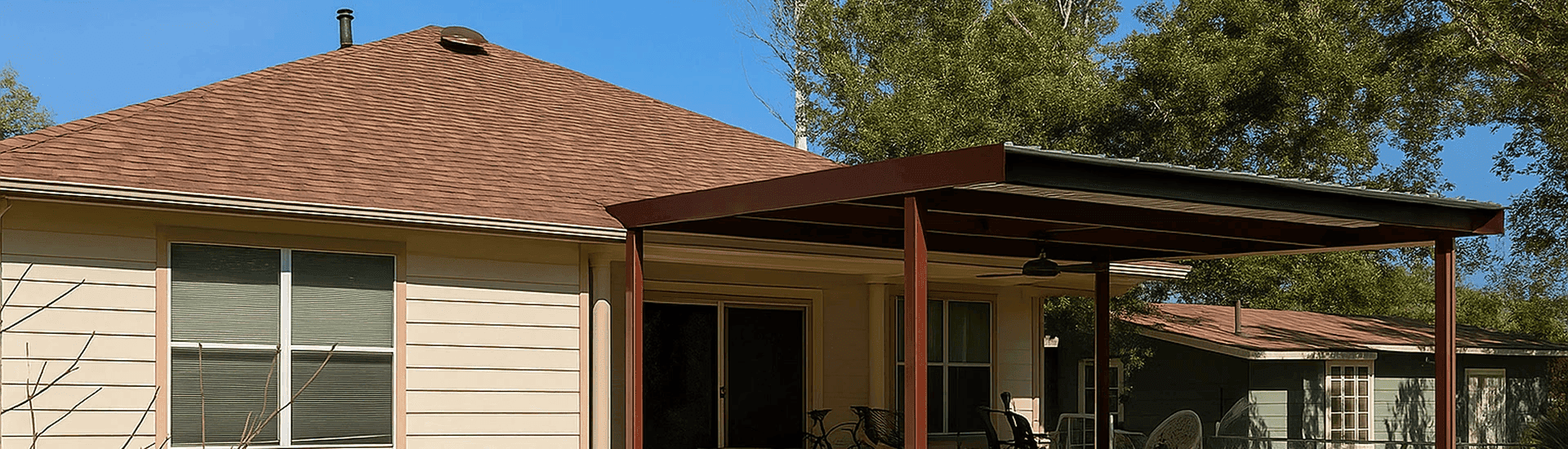
Painting Touch Ups in Temple: Bringing Life Back To Winter Walls
Painting Touch Ups in Temple: Bringing Life Back To Winter Walls
Painting Touch Ups in Temple: Bringing Life Back To Winter Walls
Painting Touch Ups in Temple: Bringing Life Back To Winter Walls
Painting Touch Ups in Temple: Bringing Life Back To Winter Walls
Painting Touch Ups in Temple: Bringing Life Back To Winter Walls
Painting Touch Ups in Temple: Bringing Life Back To Winter Walls
Painting Touch Ups in Temple: Bringing Life Back To Winter Walls
Painting Touch Ups in Temple: Bringing Life Back To Winter Walls
Painting Touch Ups in Temple: Bringing Life Back To Winter Walls



Request a Quote or Ask a Question
Request a Quote or Ask a Question
Request a Quote or Ask a Question
Request a Quote or Ask a Question
Request a Quote or Ask a Question
Request a Quote or Ask a Question
Request a Quote or Ask a Question
Request a Quote or Ask a Question
Request a Quote or Ask a Question
Winter is prime time for interior refreshment. In Temple, you spend more time indoors when nights run colder, heaters cycle on and off, and the house feels a little more “lived in.” That’s when scuffs show up along hallways, nail pops catch the lamp light, and trim starts looking tired near the front door. If you’ve been thinking about painting touch ups in Temple, you’re in the right season to do it, because indoor conditions are often steady enough to prep, patch, and blend without rushing.
This is a homeowner-first story and a practical plan. You’ll learn why winter walls look rougher, the small fixes that make the biggest visual difference, and how Big Boy Roofing can help when the issue is more than paint.
Why Winter Walls Look Worse In Temple Homes
Most people notice wall flaws more in winter, and it’s not because your paint suddenly got worse overnight. It’s usually because winter changes light, airflow, and humidity patterns inside the home.
Here’s what’s going on:
Low-angle sunlight is harsher. Winter sun hits walls at a flatter angle, especially in the morning and late afternoon. That light makes bumps and roller marks look louder.
Indoor air gets drier in heated rooms. Dry air can highlight tiny drywall seams and make caulk lines shrink at trim corners.
Humidity swings can still happen. Even in Central Texas, a cool night followed by a warm day can cause indoor moisture to shift. NOAA explains that condensation depends on the difference between air temperature and dew point temperature, and when air cools to the dew point, moisture can condense.
Daily traffic increases. More time inside means more fingerprints around switches, backpack scuffs in hallways, and chair rub marks near dining walls.
That’s why a weekend of painting touch ups in Temple can make your home feel noticeably cleaner without repainting every room.
A Temple Homeowner Story That Makes This Real
One Temple homeowner called Big Boy Roofing after the holidays with a simple complaint: “My walls look fine until the morning light hits them, then it looks like the house needs a full repaint.”
When our team walked home, it wasn’t “everything.” It was three problem zones:
The entry hallway had dark scuffs at knee height from moving boxes and shoes.
The living room had two small nail pops that cast shadows in the window light.
The baseboards by the kitchen looked dingy where mops and vacuums had nicked the paint.
Instead of pushing a full repaint, we recommended targeted painting touch ups in Temple with proper prep: clean, patch, spot-prime, then blend using the right roller nap and feathering technique. The result was the homeowner’s favorite kind of improvement: the walls looked “normal again,” and guests stopped noticing the flaws.
The Real Causes Behind Scuffs, Dings, And Winter Wear
If you want touch-ups to disappear, you need to know what caused the mark in the first place. Otherwise, the same spot will keep returning.
Cause One: Dirt And Skin Oils That Paint Holds Onto
Handprints around light switches, smudges near door frames, and hallway grime build up slowly. Paint can hold oils, and when you paint over them without cleaning, the touch-up can flash or peel sooner than expected.
Cause Two: Minor Drywall Movement
Houses move. Seasonal changes and normal settling can cause tiny cracks at corners, nail pops, or hairline seams. These are common and usually cosmetic, but they need the right patching approach so they don’t show through.
Cause Three: Moisture “Ghosting” Around Windows And Exterior Walls
Cold glass and warm indoor air can create moisture in certain conditions. NOAA’s National Weather Service defines relative humidity as moisture in the air relative to what the air could hold if saturated, and it changes with temperature.
You don’t need a “big moisture problem” for a small paint issue. Sometimes it’s as simple as condensation on a cold window edge that leaves faint marks over time. This is one reason we approach painting touch ups in Temple with an eye for comfort and airflow, not just color.
Cause Four: Roof Or Exterior Issues That Show Up Indoors
Here’s the crossover from roofing experience: a small roof leak can show up as a faint ceiling ring, and homeowners sometimes paint it without fixing the source. In Texas, storm-driven winds can be strong and sudden, and NOAA’s National Severe Storms Laboratory notes that many straight-line winds come from thunderstorm outflow.
We keep storm talk documentation-only and repair-focused, but the takeaway is simple: if you see recurring ceiling stains, it’s smarter to evaluate the source before you paint.
The Homeowner-First Plan For Cleaner Winter Walls
This is the part that saves you time and helps your touch-ups blend.
Step One: Pick The Right Targets
Walk your home with your phone flashlight or a lamp held low to the wall. Mark only what truly bothers you.
Most homeowners get the biggest win from:
Entry hall scuffs
Baseboards and door trim
Corners near couches and chairs
The wall behind the trash can or dog bowls
Switch plates and thermostat areas
A focused list makes painting touch ups in Temple feel manageable.
Step Two: Clean Before You Patch Or Paint
This is the step people skip, and it’s the step that makes a touch-up fail.
Use a mild cleaner and a damp cloth, then let the wall dry fully. You’re removing oils and dirt so new paint bonds evenly.
Step Three: Patch Small Imperfections The Right Way
Nail pops: Re-secure if needed, then patch thinly.
Small dents: Use lightweight spackle, applied in thin layers.
Hairline cracks: Use paintable caulk only where it belongs, usually at trim joints or stable seams.
Let patch material dry fully before sanding.
Step Four: Sand Lightly And Dust Off
A quick sand makes the repair disappear. Wipe away dust so your primer and paint lay smooth.
Step Five: Prime Only Where Needed
Spot-prime patched areas and any stained spots. This keeps your touch-up from looking dull or uneven.
This one detail is what separates “it’s still visible” from “I can’t find it anymore.”
How To Make Touch-Ups Disappear, Not Stand Out
A lot of people think the secret is “more paint.” It’s usually the opposite. The secret is blending.
Use The Same Sheen, Not Just The Same Color
Flat, eggshell, satin, semi-gloss all reflect light differently. If you use the wrong sheen, you’ll see a shiny square no matter how perfect the color match is.
Feather The Edges
Instead of painting a tight rectangle, spread paint outward with lighter pressure at the edges so the transition fades.
Match The Tool That Was Used Before
If the wall was rolled, touch it up with a mini roller, not only a brush.
If it was sprayed, a roller touch-up can look textured.
When we do painting touch ups in Temple, we pay attention to wall texture and roller nap because that is what your eye catches in daylight.
Know When A Full Wall Recoat Is The Better Choice
Sometimes a wall has enough wear that spot fixes will “constellate” across it. In that case, repainting one full wall can look cleaner than ten small patches.
Trim Touch-Ups That Make The Whole Room Look Newer
If walls are the background, trim is the frame. Clean trim changes the feel of a room fast.
For baseboards, door casings, and window trim:
Clean first, especially near floors
Lightly sand rough nicks
Fill deep gouges, then sand
Use controlled brush strokes along the trim line
Keep a steady hand at wall edges, or use painter’s tape if you prefer
Many homeowners in Temple love trim touch-ups in winter because the difference feels immediate. It’s one of the most satisfying types of painting touch ups in Temple.
Quick Notes On Weather And Why It Matters Even Indoors
Temple winters can be mild, but cold nights still change how your home behaves. When indoor temperature and moisture balance shift, you can get condensation on colder surfaces if air cools near the dew point, which NOAA describes in its water cycle education materials.
To give a wider perspective:
In Huron, hailstorms can be the big story, with obvious exterior damage that forces repairs.
In Ohio, sudden monsoons can soak siding and reveal weak drainage fast.
In Temple, winter is often quieter, which makes it perfect for interior projects. You’re not racing the summer heat or juggling open windows during high pollen days. That’s why painting touch ups in Temple fit the season so well.
When It’s Smart To Call Big Boy Roofing Instead Of DIY
DIY touch-ups are great for small, stable issues. Call for help if:
Stains keep returning (especially ceilings)
Cracks keep widening
Trim damage is widespread
You want a consistent finish across multiple rooms
You need a clear scope and a clean plan
Big Boy Roofing works with homeowners who want practical solutions without turning every small issue into a giant renovation. If you want service options, visit our Painting Service page.
And if you want directions or prefer to talk in person, you can visit us in Belton, TX. Winter is prime time for interior refresh, and small touch-ups can change how your whole home feels. If you want clean lines, blended patches, and a straightforward plan, reach out to Big Boy Roofing for painting touch ups in Temple.
Get a quick quote for small interior paint projects.
Frequently Asked Questions
How Do I Know If I Need Painting Touch ups in Temple Or A Full Repaint?
If the issues are isolated, like scuffs, small dents, and trim nicks, touch-ups are usually enough. If the wall has widespread fading, heavy marks everywhere, or patchy sheen differences, a full wall repaint may look cleaner.
Why Does My Touch-Up Look Darker Or Shinier Than The Rest Of The Wall?
Most often it’s a sheen mismatch, painting over dirt, or skipping spot primer. Light reflection is the giveaway. A clean surface, correct sheen, and blended edges help painting touch ups in Temple disappear.
Can I Paint Over Small Stains Without Fixing Anything Else?
You can, but if the stain is from moisture or a recurring source, it may come back. The safer move is to document what you see and evaluate the cause before you paint.
What Is The Easiest “High-Impact” Touch-Up Project?
Baseboards and door trim. Fresh trim lines make rooms look sharper even if the walls are only lightly refreshed. It’s one of the most noticeable results from painting touch ups in Temple.
How Long Should I Wait Before Washing Or Scrubbing A Touched-Up Area?
Follow the paint label guidance and keep cleaning gentle at first. Avoid aggressive scrubbing immediately after painting so the finish can set properly. We avoid warranty language and exaggerated durability claims because results depend on surface conditions and prep.
Winter is prime time for interior refreshment. In Temple, you spend more time indoors when nights run colder, heaters cycle on and off, and the house feels a little more “lived in.” That’s when scuffs show up along hallways, nail pops catch the lamp light, and trim starts looking tired near the front door. If you’ve been thinking about painting touch ups in Temple, you’re in the right season to do it, because indoor conditions are often steady enough to prep, patch, and blend without rushing.
This is a homeowner-first story and a practical plan. You’ll learn why winter walls look rougher, the small fixes that make the biggest visual difference, and how Big Boy Roofing can help when the issue is more than paint.
Why Winter Walls Look Worse In Temple Homes
Most people notice wall flaws more in winter, and it’s not because your paint suddenly got worse overnight. It’s usually because winter changes light, airflow, and humidity patterns inside the home.
Here’s what’s going on:
Low-angle sunlight is harsher. Winter sun hits walls at a flatter angle, especially in the morning and late afternoon. That light makes bumps and roller marks look louder.
Indoor air gets drier in heated rooms. Dry air can highlight tiny drywall seams and make caulk lines shrink at trim corners.
Humidity swings can still happen. Even in Central Texas, a cool night followed by a warm day can cause indoor moisture to shift. NOAA explains that condensation depends on the difference between air temperature and dew point temperature, and when air cools to the dew point, moisture can condense.
Daily traffic increases. More time inside means more fingerprints around switches, backpack scuffs in hallways, and chair rub marks near dining walls.
That’s why a weekend of painting touch ups in Temple can make your home feel noticeably cleaner without repainting every room.
A Temple Homeowner Story That Makes This Real
One Temple homeowner called Big Boy Roofing after the holidays with a simple complaint: “My walls look fine until the morning light hits them, then it looks like the house needs a full repaint.”
When our team walked home, it wasn’t “everything.” It was three problem zones:
The entry hallway had dark scuffs at knee height from moving boxes and shoes.
The living room had two small nail pops that cast shadows in the window light.
The baseboards by the kitchen looked dingy where mops and vacuums had nicked the paint.
Instead of pushing a full repaint, we recommended targeted painting touch ups in Temple with proper prep: clean, patch, spot-prime, then blend using the right roller nap and feathering technique. The result was the homeowner’s favorite kind of improvement: the walls looked “normal again,” and guests stopped noticing the flaws.
The Real Causes Behind Scuffs, Dings, And Winter Wear
If you want touch-ups to disappear, you need to know what caused the mark in the first place. Otherwise, the same spot will keep returning.
Cause One: Dirt And Skin Oils That Paint Holds Onto
Handprints around light switches, smudges near door frames, and hallway grime build up slowly. Paint can hold oils, and when you paint over them without cleaning, the touch-up can flash or peel sooner than expected.
Cause Two: Minor Drywall Movement
Houses move. Seasonal changes and normal settling can cause tiny cracks at corners, nail pops, or hairline seams. These are common and usually cosmetic, but they need the right patching approach so they don’t show through.
Cause Three: Moisture “Ghosting” Around Windows And Exterior Walls
Cold glass and warm indoor air can create moisture in certain conditions. NOAA’s National Weather Service defines relative humidity as moisture in the air relative to what the air could hold if saturated, and it changes with temperature.
You don’t need a “big moisture problem” for a small paint issue. Sometimes it’s as simple as condensation on a cold window edge that leaves faint marks over time. This is one reason we approach painting touch ups in Temple with an eye for comfort and airflow, not just color.
Cause Four: Roof Or Exterior Issues That Show Up Indoors
Here’s the crossover from roofing experience: a small roof leak can show up as a faint ceiling ring, and homeowners sometimes paint it without fixing the source. In Texas, storm-driven winds can be strong and sudden, and NOAA’s National Severe Storms Laboratory notes that many straight-line winds come from thunderstorm outflow.
We keep storm talk documentation-only and repair-focused, but the takeaway is simple: if you see recurring ceiling stains, it’s smarter to evaluate the source before you paint.
The Homeowner-First Plan For Cleaner Winter Walls
This is the part that saves you time and helps your touch-ups blend.
Step One: Pick The Right Targets
Walk your home with your phone flashlight or a lamp held low to the wall. Mark only what truly bothers you.
Most homeowners get the biggest win from:
Entry hall scuffs
Baseboards and door trim
Corners near couches and chairs
The wall behind the trash can or dog bowls
Switch plates and thermostat areas
A focused list makes painting touch ups in Temple feel manageable.
Step Two: Clean Before You Patch Or Paint
This is the step people skip, and it’s the step that makes a touch-up fail.
Use a mild cleaner and a damp cloth, then let the wall dry fully. You’re removing oils and dirt so new paint bonds evenly.
Step Three: Patch Small Imperfections The Right Way
Nail pops: Re-secure if needed, then patch thinly.
Small dents: Use lightweight spackle, applied in thin layers.
Hairline cracks: Use paintable caulk only where it belongs, usually at trim joints or stable seams.
Let patch material dry fully before sanding.
Step Four: Sand Lightly And Dust Off
A quick sand makes the repair disappear. Wipe away dust so your primer and paint lay smooth.
Step Five: Prime Only Where Needed
Spot-prime patched areas and any stained spots. This keeps your touch-up from looking dull or uneven.
This one detail is what separates “it’s still visible” from “I can’t find it anymore.”
How To Make Touch-Ups Disappear, Not Stand Out
A lot of people think the secret is “more paint.” It’s usually the opposite. The secret is blending.
Use The Same Sheen, Not Just The Same Color
Flat, eggshell, satin, semi-gloss all reflect light differently. If you use the wrong sheen, you’ll see a shiny square no matter how perfect the color match is.
Feather The Edges
Instead of painting a tight rectangle, spread paint outward with lighter pressure at the edges so the transition fades.
Match The Tool That Was Used Before
If the wall was rolled, touch it up with a mini roller, not only a brush.
If it was sprayed, a roller touch-up can look textured.
When we do painting touch ups in Temple, we pay attention to wall texture and roller nap because that is what your eye catches in daylight.
Know When A Full Wall Recoat Is The Better Choice
Sometimes a wall has enough wear that spot fixes will “constellate” across it. In that case, repainting one full wall can look cleaner than ten small patches.
Trim Touch-Ups That Make The Whole Room Look Newer
If walls are the background, trim is the frame. Clean trim changes the feel of a room fast.
For baseboards, door casings, and window trim:
Clean first, especially near floors
Lightly sand rough nicks
Fill deep gouges, then sand
Use controlled brush strokes along the trim line
Keep a steady hand at wall edges, or use painter’s tape if you prefer
Many homeowners in Temple love trim touch-ups in winter because the difference feels immediate. It’s one of the most satisfying types of painting touch ups in Temple.
Quick Notes On Weather And Why It Matters Even Indoors
Temple winters can be mild, but cold nights still change how your home behaves. When indoor temperature and moisture balance shift, you can get condensation on colder surfaces if air cools near the dew point, which NOAA describes in its water cycle education materials.
To give a wider perspective:
In Huron, hailstorms can be the big story, with obvious exterior damage that forces repairs.
In Ohio, sudden monsoons can soak siding and reveal weak drainage fast.
In Temple, winter is often quieter, which makes it perfect for interior projects. You’re not racing the summer heat or juggling open windows during high pollen days. That’s why painting touch ups in Temple fit the season so well.
When It’s Smart To Call Big Boy Roofing Instead Of DIY
DIY touch-ups are great for small, stable issues. Call for help if:
Stains keep returning (especially ceilings)
Cracks keep widening
Trim damage is widespread
You want a consistent finish across multiple rooms
You need a clear scope and a clean plan
Big Boy Roofing works with homeowners who want practical solutions without turning every small issue into a giant renovation. If you want service options, visit our Painting Service page.
And if you want directions or prefer to talk in person, you can visit us in Belton, TX. Winter is prime time for interior refresh, and small touch-ups can change how your whole home feels. If you want clean lines, blended patches, and a straightforward plan, reach out to Big Boy Roofing for painting touch ups in Temple.
Get a quick quote for small interior paint projects.
Frequently Asked Questions
How Do I Know If I Need Painting Touch ups in Temple Or A Full Repaint?
If the issues are isolated, like scuffs, small dents, and trim nicks, touch-ups are usually enough. If the wall has widespread fading, heavy marks everywhere, or patchy sheen differences, a full wall repaint may look cleaner.
Why Does My Touch-Up Look Darker Or Shinier Than The Rest Of The Wall?
Most often it’s a sheen mismatch, painting over dirt, or skipping spot primer. Light reflection is the giveaway. A clean surface, correct sheen, and blended edges help painting touch ups in Temple disappear.
Can I Paint Over Small Stains Without Fixing Anything Else?
You can, but if the stain is from moisture or a recurring source, it may come back. The safer move is to document what you see and evaluate the cause before you paint.
What Is The Easiest “High-Impact” Touch-Up Project?
Baseboards and door trim. Fresh trim lines make rooms look sharper even if the walls are only lightly refreshed. It’s one of the most noticeable results from painting touch ups in Temple.
How Long Should I Wait Before Washing Or Scrubbing A Touched-Up Area?
Follow the paint label guidance and keep cleaning gentle at first. Avoid aggressive scrubbing immediately after painting so the finish can set properly. We avoid warranty language and exaggerated durability claims because results depend on surface conditions and prep.
Winter is prime time for interior refreshment. In Temple, you spend more time indoors when nights run colder, heaters cycle on and off, and the house feels a little more “lived in.” That’s when scuffs show up along hallways, nail pops catch the lamp light, and trim starts looking tired near the front door. If you’ve been thinking about painting touch ups in Temple, you’re in the right season to do it, because indoor conditions are often steady enough to prep, patch, and blend without rushing.
This is a homeowner-first story and a practical plan. You’ll learn why winter walls look rougher, the small fixes that make the biggest visual difference, and how Big Boy Roofing can help when the issue is more than paint.
Why Winter Walls Look Worse In Temple Homes
Most people notice wall flaws more in winter, and it’s not because your paint suddenly got worse overnight. It’s usually because winter changes light, airflow, and humidity patterns inside the home.
Here’s what’s going on:
Low-angle sunlight is harsher. Winter sun hits walls at a flatter angle, especially in the morning and late afternoon. That light makes bumps and roller marks look louder.
Indoor air gets drier in heated rooms. Dry air can highlight tiny drywall seams and make caulk lines shrink at trim corners.
Humidity swings can still happen. Even in Central Texas, a cool night followed by a warm day can cause indoor moisture to shift. NOAA explains that condensation depends on the difference between air temperature and dew point temperature, and when air cools to the dew point, moisture can condense.
Daily traffic increases. More time inside means more fingerprints around switches, backpack scuffs in hallways, and chair rub marks near dining walls.
That’s why a weekend of painting touch ups in Temple can make your home feel noticeably cleaner without repainting every room.
A Temple Homeowner Story That Makes This Real
One Temple homeowner called Big Boy Roofing after the holidays with a simple complaint: “My walls look fine until the morning light hits them, then it looks like the house needs a full repaint.”
When our team walked home, it wasn’t “everything.” It was three problem zones:
The entry hallway had dark scuffs at knee height from moving boxes and shoes.
The living room had two small nail pops that cast shadows in the window light.
The baseboards by the kitchen looked dingy where mops and vacuums had nicked the paint.
Instead of pushing a full repaint, we recommended targeted painting touch ups in Temple with proper prep: clean, patch, spot-prime, then blend using the right roller nap and feathering technique. The result was the homeowner’s favorite kind of improvement: the walls looked “normal again,” and guests stopped noticing the flaws.
The Real Causes Behind Scuffs, Dings, And Winter Wear
If you want touch-ups to disappear, you need to know what caused the mark in the first place. Otherwise, the same spot will keep returning.
Cause One: Dirt And Skin Oils That Paint Holds Onto
Handprints around light switches, smudges near door frames, and hallway grime build up slowly. Paint can hold oils, and when you paint over them without cleaning, the touch-up can flash or peel sooner than expected.
Cause Two: Minor Drywall Movement
Houses move. Seasonal changes and normal settling can cause tiny cracks at corners, nail pops, or hairline seams. These are common and usually cosmetic, but they need the right patching approach so they don’t show through.
Cause Three: Moisture “Ghosting” Around Windows And Exterior Walls
Cold glass and warm indoor air can create moisture in certain conditions. NOAA’s National Weather Service defines relative humidity as moisture in the air relative to what the air could hold if saturated, and it changes with temperature.
You don’t need a “big moisture problem” for a small paint issue. Sometimes it’s as simple as condensation on a cold window edge that leaves faint marks over time. This is one reason we approach painting touch ups in Temple with an eye for comfort and airflow, not just color.
Cause Four: Roof Or Exterior Issues That Show Up Indoors
Here’s the crossover from roofing experience: a small roof leak can show up as a faint ceiling ring, and homeowners sometimes paint it without fixing the source. In Texas, storm-driven winds can be strong and sudden, and NOAA’s National Severe Storms Laboratory notes that many straight-line winds come from thunderstorm outflow.
We keep storm talk documentation-only and repair-focused, but the takeaway is simple: if you see recurring ceiling stains, it’s smarter to evaluate the source before you paint.
The Homeowner-First Plan For Cleaner Winter Walls
This is the part that saves you time and helps your touch-ups blend.
Step One: Pick The Right Targets
Walk your home with your phone flashlight or a lamp held low to the wall. Mark only what truly bothers you.
Most homeowners get the biggest win from:
Entry hall scuffs
Baseboards and door trim
Corners near couches and chairs
The wall behind the trash can or dog bowls
Switch plates and thermostat areas
A focused list makes painting touch ups in Temple feel manageable.
Step Two: Clean Before You Patch Or Paint
This is the step people skip, and it’s the step that makes a touch-up fail.
Use a mild cleaner and a damp cloth, then let the wall dry fully. You’re removing oils and dirt so new paint bonds evenly.
Step Three: Patch Small Imperfections The Right Way
Nail pops: Re-secure if needed, then patch thinly.
Small dents: Use lightweight spackle, applied in thin layers.
Hairline cracks: Use paintable caulk only where it belongs, usually at trim joints or stable seams.
Let patch material dry fully before sanding.
Step Four: Sand Lightly And Dust Off
A quick sand makes the repair disappear. Wipe away dust so your primer and paint lay smooth.
Step Five: Prime Only Where Needed
Spot-prime patched areas and any stained spots. This keeps your touch-up from looking dull or uneven.
This one detail is what separates “it’s still visible” from “I can’t find it anymore.”
How To Make Touch-Ups Disappear, Not Stand Out
A lot of people think the secret is “more paint.” It’s usually the opposite. The secret is blending.
Use The Same Sheen, Not Just The Same Color
Flat, eggshell, satin, semi-gloss all reflect light differently. If you use the wrong sheen, you’ll see a shiny square no matter how perfect the color match is.
Feather The Edges
Instead of painting a tight rectangle, spread paint outward with lighter pressure at the edges so the transition fades.
Match The Tool That Was Used Before
If the wall was rolled, touch it up with a mini roller, not only a brush.
If it was sprayed, a roller touch-up can look textured.
When we do painting touch ups in Temple, we pay attention to wall texture and roller nap because that is what your eye catches in daylight.
Know When A Full Wall Recoat Is The Better Choice
Sometimes a wall has enough wear that spot fixes will “constellate” across it. In that case, repainting one full wall can look cleaner than ten small patches.
Trim Touch-Ups That Make The Whole Room Look Newer
If walls are the background, trim is the frame. Clean trim changes the feel of a room fast.
For baseboards, door casings, and window trim:
Clean first, especially near floors
Lightly sand rough nicks
Fill deep gouges, then sand
Use controlled brush strokes along the trim line
Keep a steady hand at wall edges, or use painter’s tape if you prefer
Many homeowners in Temple love trim touch-ups in winter because the difference feels immediate. It’s one of the most satisfying types of painting touch ups in Temple.
Quick Notes On Weather And Why It Matters Even Indoors
Temple winters can be mild, but cold nights still change how your home behaves. When indoor temperature and moisture balance shift, you can get condensation on colder surfaces if air cools near the dew point, which NOAA describes in its water cycle education materials.
To give a wider perspective:
In Huron, hailstorms can be the big story, with obvious exterior damage that forces repairs.
In Ohio, sudden monsoons can soak siding and reveal weak drainage fast.
In Temple, winter is often quieter, which makes it perfect for interior projects. You’re not racing the summer heat or juggling open windows during high pollen days. That’s why painting touch ups in Temple fit the season so well.
When It’s Smart To Call Big Boy Roofing Instead Of DIY
DIY touch-ups are great for small, stable issues. Call for help if:
Stains keep returning (especially ceilings)
Cracks keep widening
Trim damage is widespread
You want a consistent finish across multiple rooms
You need a clear scope and a clean plan
Big Boy Roofing works with homeowners who want practical solutions without turning every small issue into a giant renovation. If you want service options, visit our Painting Service page.
And if you want directions or prefer to talk in person, you can visit us in Belton, TX. Winter is prime time for interior refresh, and small touch-ups can change how your whole home feels. If you want clean lines, blended patches, and a straightforward plan, reach out to Big Boy Roofing for painting touch ups in Temple.
Get a quick quote for small interior paint projects.
Frequently Asked Questions
How Do I Know If I Need Painting Touch ups in Temple Or A Full Repaint?
If the issues are isolated, like scuffs, small dents, and trim nicks, touch-ups are usually enough. If the wall has widespread fading, heavy marks everywhere, or patchy sheen differences, a full wall repaint may look cleaner.
Why Does My Touch-Up Look Darker Or Shinier Than The Rest Of The Wall?
Most often it’s a sheen mismatch, painting over dirt, or skipping spot primer. Light reflection is the giveaway. A clean surface, correct sheen, and blended edges help painting touch ups in Temple disappear.
Can I Paint Over Small Stains Without Fixing Anything Else?
You can, but if the stain is from moisture or a recurring source, it may come back. The safer move is to document what you see and evaluate the cause before you paint.
What Is The Easiest “High-Impact” Touch-Up Project?
Baseboards and door trim. Fresh trim lines make rooms look sharper even if the walls are only lightly refreshed. It’s one of the most noticeable results from painting touch ups in Temple.
How Long Should I Wait Before Washing Or Scrubbing A Touched-Up Area?
Follow the paint label guidance and keep cleaning gentle at first. Avoid aggressive scrubbing immediately after painting so the finish can set properly. We avoid warranty language and exaggerated durability claims because results depend on surface conditions and prep.
Winter is prime time for interior refreshment. In Temple, you spend more time indoors when nights run colder, heaters cycle on and off, and the house feels a little more “lived in.” That’s when scuffs show up along hallways, nail pops catch the lamp light, and trim starts looking tired near the front door. If you’ve been thinking about painting touch ups in Temple, you’re in the right season to do it, because indoor conditions are often steady enough to prep, patch, and blend without rushing.
This is a homeowner-first story and a practical plan. You’ll learn why winter walls look rougher, the small fixes that make the biggest visual difference, and how Big Boy Roofing can help when the issue is more than paint.
Why Winter Walls Look Worse In Temple Homes
Most people notice wall flaws more in winter, and it’s not because your paint suddenly got worse overnight. It’s usually because winter changes light, airflow, and humidity patterns inside the home.
Here’s what’s going on:
Low-angle sunlight is harsher. Winter sun hits walls at a flatter angle, especially in the morning and late afternoon. That light makes bumps and roller marks look louder.
Indoor air gets drier in heated rooms. Dry air can highlight tiny drywall seams and make caulk lines shrink at trim corners.
Humidity swings can still happen. Even in Central Texas, a cool night followed by a warm day can cause indoor moisture to shift. NOAA explains that condensation depends on the difference between air temperature and dew point temperature, and when air cools to the dew point, moisture can condense.
Daily traffic increases. More time inside means more fingerprints around switches, backpack scuffs in hallways, and chair rub marks near dining walls.
That’s why a weekend of painting touch ups in Temple can make your home feel noticeably cleaner without repainting every room.
A Temple Homeowner Story That Makes This Real
One Temple homeowner called Big Boy Roofing after the holidays with a simple complaint: “My walls look fine until the morning light hits them, then it looks like the house needs a full repaint.”
When our team walked home, it wasn’t “everything.” It was three problem zones:
The entry hallway had dark scuffs at knee height from moving boxes and shoes.
The living room had two small nail pops that cast shadows in the window light.
The baseboards by the kitchen looked dingy where mops and vacuums had nicked the paint.
Instead of pushing a full repaint, we recommended targeted painting touch ups in Temple with proper prep: clean, patch, spot-prime, then blend using the right roller nap and feathering technique. The result was the homeowner’s favorite kind of improvement: the walls looked “normal again,” and guests stopped noticing the flaws.
The Real Causes Behind Scuffs, Dings, And Winter Wear
If you want touch-ups to disappear, you need to know what caused the mark in the first place. Otherwise, the same spot will keep returning.
Cause One: Dirt And Skin Oils That Paint Holds Onto
Handprints around light switches, smudges near door frames, and hallway grime build up slowly. Paint can hold oils, and when you paint over them without cleaning, the touch-up can flash or peel sooner than expected.
Cause Two: Minor Drywall Movement
Houses move. Seasonal changes and normal settling can cause tiny cracks at corners, nail pops, or hairline seams. These are common and usually cosmetic, but they need the right patching approach so they don’t show through.
Cause Three: Moisture “Ghosting” Around Windows And Exterior Walls
Cold glass and warm indoor air can create moisture in certain conditions. NOAA’s National Weather Service defines relative humidity as moisture in the air relative to what the air could hold if saturated, and it changes with temperature.
You don’t need a “big moisture problem” for a small paint issue. Sometimes it’s as simple as condensation on a cold window edge that leaves faint marks over time. This is one reason we approach painting touch ups in Temple with an eye for comfort and airflow, not just color.
Cause Four: Roof Or Exterior Issues That Show Up Indoors
Here’s the crossover from roofing experience: a small roof leak can show up as a faint ceiling ring, and homeowners sometimes paint it without fixing the source. In Texas, storm-driven winds can be strong and sudden, and NOAA’s National Severe Storms Laboratory notes that many straight-line winds come from thunderstorm outflow.
We keep storm talk documentation-only and repair-focused, but the takeaway is simple: if you see recurring ceiling stains, it’s smarter to evaluate the source before you paint.
The Homeowner-First Plan For Cleaner Winter Walls
This is the part that saves you time and helps your touch-ups blend.
Step One: Pick The Right Targets
Walk your home with your phone flashlight or a lamp held low to the wall. Mark only what truly bothers you.
Most homeowners get the biggest win from:
Entry hall scuffs
Baseboards and door trim
Corners near couches and chairs
The wall behind the trash can or dog bowls
Switch plates and thermostat areas
A focused list makes painting touch ups in Temple feel manageable.
Step Two: Clean Before You Patch Or Paint
This is the step people skip, and it’s the step that makes a touch-up fail.
Use a mild cleaner and a damp cloth, then let the wall dry fully. You’re removing oils and dirt so new paint bonds evenly.
Step Three: Patch Small Imperfections The Right Way
Nail pops: Re-secure if needed, then patch thinly.
Small dents: Use lightweight spackle, applied in thin layers.
Hairline cracks: Use paintable caulk only where it belongs, usually at trim joints or stable seams.
Let patch material dry fully before sanding.
Step Four: Sand Lightly And Dust Off
A quick sand makes the repair disappear. Wipe away dust so your primer and paint lay smooth.
Step Five: Prime Only Where Needed
Spot-prime patched areas and any stained spots. This keeps your touch-up from looking dull or uneven.
This one detail is what separates “it’s still visible” from “I can’t find it anymore.”
How To Make Touch-Ups Disappear, Not Stand Out
A lot of people think the secret is “more paint.” It’s usually the opposite. The secret is blending.
Use The Same Sheen, Not Just The Same Color
Flat, eggshell, satin, semi-gloss all reflect light differently. If you use the wrong sheen, you’ll see a shiny square no matter how perfect the color match is.
Feather The Edges
Instead of painting a tight rectangle, spread paint outward with lighter pressure at the edges so the transition fades.
Match The Tool That Was Used Before
If the wall was rolled, touch it up with a mini roller, not only a brush.
If it was sprayed, a roller touch-up can look textured.
When we do painting touch ups in Temple, we pay attention to wall texture and roller nap because that is what your eye catches in daylight.
Know When A Full Wall Recoat Is The Better Choice
Sometimes a wall has enough wear that spot fixes will “constellate” across it. In that case, repainting one full wall can look cleaner than ten small patches.
Trim Touch-Ups That Make The Whole Room Look Newer
If walls are the background, trim is the frame. Clean trim changes the feel of a room fast.
For baseboards, door casings, and window trim:
Clean first, especially near floors
Lightly sand rough nicks
Fill deep gouges, then sand
Use controlled brush strokes along the trim line
Keep a steady hand at wall edges, or use painter’s tape if you prefer
Many homeowners in Temple love trim touch-ups in winter because the difference feels immediate. It’s one of the most satisfying types of painting touch ups in Temple.
Quick Notes On Weather And Why It Matters Even Indoors
Temple winters can be mild, but cold nights still change how your home behaves. When indoor temperature and moisture balance shift, you can get condensation on colder surfaces if air cools near the dew point, which NOAA describes in its water cycle education materials.
To give a wider perspective:
In Huron, hailstorms can be the big story, with obvious exterior damage that forces repairs.
In Ohio, sudden monsoons can soak siding and reveal weak drainage fast.
In Temple, winter is often quieter, which makes it perfect for interior projects. You’re not racing the summer heat or juggling open windows during high pollen days. That’s why painting touch ups in Temple fit the season so well.
When It’s Smart To Call Big Boy Roofing Instead Of DIY
DIY touch-ups are great for small, stable issues. Call for help if:
Stains keep returning (especially ceilings)
Cracks keep widening
Trim damage is widespread
You want a consistent finish across multiple rooms
You need a clear scope and a clean plan
Big Boy Roofing works with homeowners who want practical solutions without turning every small issue into a giant renovation. If you want service options, visit our Painting Service page.
And if you want directions or prefer to talk in person, you can visit us in Belton, TX. Winter is prime time for interior refresh, and small touch-ups can change how your whole home feels. If you want clean lines, blended patches, and a straightforward plan, reach out to Big Boy Roofing for painting touch ups in Temple.
Get a quick quote for small interior paint projects.
Frequently Asked Questions
How Do I Know If I Need Painting Touch ups in Temple Or A Full Repaint?
If the issues are isolated, like scuffs, small dents, and trim nicks, touch-ups are usually enough. If the wall has widespread fading, heavy marks everywhere, or patchy sheen differences, a full wall repaint may look cleaner.
Why Does My Touch-Up Look Darker Or Shinier Than The Rest Of The Wall?
Most often it’s a sheen mismatch, painting over dirt, or skipping spot primer. Light reflection is the giveaway. A clean surface, correct sheen, and blended edges help painting touch ups in Temple disappear.
Can I Paint Over Small Stains Without Fixing Anything Else?
You can, but if the stain is from moisture or a recurring source, it may come back. The safer move is to document what you see and evaluate the cause before you paint.
What Is The Easiest “High-Impact” Touch-Up Project?
Baseboards and door trim. Fresh trim lines make rooms look sharper even if the walls are only lightly refreshed. It’s one of the most noticeable results from painting touch ups in Temple.
How Long Should I Wait Before Washing Or Scrubbing A Touched-Up Area?
Follow the paint label guidance and keep cleaning gentle at first. Avoid aggressive scrubbing immediately after painting so the finish can set properly. We avoid warranty language and exaggerated durability claims because results depend on surface conditions and prep.
Winter is prime time for interior refreshment. In Temple, you spend more time indoors when nights run colder, heaters cycle on and off, and the house feels a little more “lived in.” That’s when scuffs show up along hallways, nail pops catch the lamp light, and trim starts looking tired near the front door. If you’ve been thinking about painting touch ups in Temple, you’re in the right season to do it, because indoor conditions are often steady enough to prep, patch, and blend without rushing.
This is a homeowner-first story and a practical plan. You’ll learn why winter walls look rougher, the small fixes that make the biggest visual difference, and how Big Boy Roofing can help when the issue is more than paint.
Why Winter Walls Look Worse In Temple Homes
Most people notice wall flaws more in winter, and it’s not because your paint suddenly got worse overnight. It’s usually because winter changes light, airflow, and humidity patterns inside the home.
Here’s what’s going on:
Low-angle sunlight is harsher. Winter sun hits walls at a flatter angle, especially in the morning and late afternoon. That light makes bumps and roller marks look louder.
Indoor air gets drier in heated rooms. Dry air can highlight tiny drywall seams and make caulk lines shrink at trim corners.
Humidity swings can still happen. Even in Central Texas, a cool night followed by a warm day can cause indoor moisture to shift. NOAA explains that condensation depends on the difference between air temperature and dew point temperature, and when air cools to the dew point, moisture can condense.
Daily traffic increases. More time inside means more fingerprints around switches, backpack scuffs in hallways, and chair rub marks near dining walls.
That’s why a weekend of painting touch ups in Temple can make your home feel noticeably cleaner without repainting every room.
A Temple Homeowner Story That Makes This Real
One Temple homeowner called Big Boy Roofing after the holidays with a simple complaint: “My walls look fine until the morning light hits them, then it looks like the house needs a full repaint.”
When our team walked home, it wasn’t “everything.” It was three problem zones:
The entry hallway had dark scuffs at knee height from moving boxes and shoes.
The living room had two small nail pops that cast shadows in the window light.
The baseboards by the kitchen looked dingy where mops and vacuums had nicked the paint.
Instead of pushing a full repaint, we recommended targeted painting touch ups in Temple with proper prep: clean, patch, spot-prime, then blend using the right roller nap and feathering technique. The result was the homeowner’s favorite kind of improvement: the walls looked “normal again,” and guests stopped noticing the flaws.
The Real Causes Behind Scuffs, Dings, And Winter Wear
If you want touch-ups to disappear, you need to know what caused the mark in the first place. Otherwise, the same spot will keep returning.
Cause One: Dirt And Skin Oils That Paint Holds Onto
Handprints around light switches, smudges near door frames, and hallway grime build up slowly. Paint can hold oils, and when you paint over them without cleaning, the touch-up can flash or peel sooner than expected.
Cause Two: Minor Drywall Movement
Houses move. Seasonal changes and normal settling can cause tiny cracks at corners, nail pops, or hairline seams. These are common and usually cosmetic, but they need the right patching approach so they don’t show through.
Cause Three: Moisture “Ghosting” Around Windows And Exterior Walls
Cold glass and warm indoor air can create moisture in certain conditions. NOAA’s National Weather Service defines relative humidity as moisture in the air relative to what the air could hold if saturated, and it changes with temperature.
You don’t need a “big moisture problem” for a small paint issue. Sometimes it’s as simple as condensation on a cold window edge that leaves faint marks over time. This is one reason we approach painting touch ups in Temple with an eye for comfort and airflow, not just color.
Cause Four: Roof Or Exterior Issues That Show Up Indoors
Here’s the crossover from roofing experience: a small roof leak can show up as a faint ceiling ring, and homeowners sometimes paint it without fixing the source. In Texas, storm-driven winds can be strong and sudden, and NOAA’s National Severe Storms Laboratory notes that many straight-line winds come from thunderstorm outflow.
We keep storm talk documentation-only and repair-focused, but the takeaway is simple: if you see recurring ceiling stains, it’s smarter to evaluate the source before you paint.
The Homeowner-First Plan For Cleaner Winter Walls
This is the part that saves you time and helps your touch-ups blend.
Step One: Pick The Right Targets
Walk your home with your phone flashlight or a lamp held low to the wall. Mark only what truly bothers you.
Most homeowners get the biggest win from:
Entry hall scuffs
Baseboards and door trim
Corners near couches and chairs
The wall behind the trash can or dog bowls
Switch plates and thermostat areas
A focused list makes painting touch ups in Temple feel manageable.
Step Two: Clean Before You Patch Or Paint
This is the step people skip, and it’s the step that makes a touch-up fail.
Use a mild cleaner and a damp cloth, then let the wall dry fully. You’re removing oils and dirt so new paint bonds evenly.
Step Three: Patch Small Imperfections The Right Way
Nail pops: Re-secure if needed, then patch thinly.
Small dents: Use lightweight spackle, applied in thin layers.
Hairline cracks: Use paintable caulk only where it belongs, usually at trim joints or stable seams.
Let patch material dry fully before sanding.
Step Four: Sand Lightly And Dust Off
A quick sand makes the repair disappear. Wipe away dust so your primer and paint lay smooth.
Step Five: Prime Only Where Needed
Spot-prime patched areas and any stained spots. This keeps your touch-up from looking dull or uneven.
This one detail is what separates “it’s still visible” from “I can’t find it anymore.”
How To Make Touch-Ups Disappear, Not Stand Out
A lot of people think the secret is “more paint.” It’s usually the opposite. The secret is blending.
Use The Same Sheen, Not Just The Same Color
Flat, eggshell, satin, semi-gloss all reflect light differently. If you use the wrong sheen, you’ll see a shiny square no matter how perfect the color match is.
Feather The Edges
Instead of painting a tight rectangle, spread paint outward with lighter pressure at the edges so the transition fades.
Match The Tool That Was Used Before
If the wall was rolled, touch it up with a mini roller, not only a brush.
If it was sprayed, a roller touch-up can look textured.
When we do painting touch ups in Temple, we pay attention to wall texture and roller nap because that is what your eye catches in daylight.
Know When A Full Wall Recoat Is The Better Choice
Sometimes a wall has enough wear that spot fixes will “constellate” across it. In that case, repainting one full wall can look cleaner than ten small patches.
Trim Touch-Ups That Make The Whole Room Look Newer
If walls are the background, trim is the frame. Clean trim changes the feel of a room fast.
For baseboards, door casings, and window trim:
Clean first, especially near floors
Lightly sand rough nicks
Fill deep gouges, then sand
Use controlled brush strokes along the trim line
Keep a steady hand at wall edges, or use painter’s tape if you prefer
Many homeowners in Temple love trim touch-ups in winter because the difference feels immediate. It’s one of the most satisfying types of painting touch ups in Temple.
Quick Notes On Weather And Why It Matters Even Indoors
Temple winters can be mild, but cold nights still change how your home behaves. When indoor temperature and moisture balance shift, you can get condensation on colder surfaces if air cools near the dew point, which NOAA describes in its water cycle education materials.
To give a wider perspective:
In Huron, hailstorms can be the big story, with obvious exterior damage that forces repairs.
In Ohio, sudden monsoons can soak siding and reveal weak drainage fast.
In Temple, winter is often quieter, which makes it perfect for interior projects. You’re not racing the summer heat or juggling open windows during high pollen days. That’s why painting touch ups in Temple fit the season so well.
When It’s Smart To Call Big Boy Roofing Instead Of DIY
DIY touch-ups are great for small, stable issues. Call for help if:
Stains keep returning (especially ceilings)
Cracks keep widening
Trim damage is widespread
You want a consistent finish across multiple rooms
You need a clear scope and a clean plan
Big Boy Roofing works with homeowners who want practical solutions without turning every small issue into a giant renovation. If you want service options, visit our Painting Service page.
And if you want directions or prefer to talk in person, you can visit us in Belton, TX. Winter is prime time for interior refresh, and small touch-ups can change how your whole home feels. If you want clean lines, blended patches, and a straightforward plan, reach out to Big Boy Roofing for painting touch ups in Temple.
Get a quick quote for small interior paint projects.
Frequently Asked Questions
How Do I Know If I Need Painting Touch ups in Temple Or A Full Repaint?
If the issues are isolated, like scuffs, small dents, and trim nicks, touch-ups are usually enough. If the wall has widespread fading, heavy marks everywhere, or patchy sheen differences, a full wall repaint may look cleaner.
Why Does My Touch-Up Look Darker Or Shinier Than The Rest Of The Wall?
Most often it’s a sheen mismatch, painting over dirt, or skipping spot primer. Light reflection is the giveaway. A clean surface, correct sheen, and blended edges help painting touch ups in Temple disappear.
Can I Paint Over Small Stains Without Fixing Anything Else?
You can, but if the stain is from moisture or a recurring source, it may come back. The safer move is to document what you see and evaluate the cause before you paint.
What Is The Easiest “High-Impact” Touch-Up Project?
Baseboards and door trim. Fresh trim lines make rooms look sharper even if the walls are only lightly refreshed. It’s one of the most noticeable results from painting touch ups in Temple.
How Long Should I Wait Before Washing Or Scrubbing A Touched-Up Area?
Follow the paint label guidance and keep cleaning gentle at first. Avoid aggressive scrubbing immediately after painting so the finish can set properly. We avoid warranty language and exaggerated durability claims because results depend on surface conditions and prep.
Winter is prime time for interior refreshment. In Temple, you spend more time indoors when nights run colder, heaters cycle on and off, and the house feels a little more “lived in.” That’s when scuffs show up along hallways, nail pops catch the lamp light, and trim starts looking tired near the front door. If you’ve been thinking about painting touch ups in Temple, you’re in the right season to do it, because indoor conditions are often steady enough to prep, patch, and blend without rushing.
This is a homeowner-first story and a practical plan. You’ll learn why winter walls look rougher, the small fixes that make the biggest visual difference, and how Big Boy Roofing can help when the issue is more than paint.
Why Winter Walls Look Worse In Temple Homes
Most people notice wall flaws more in winter, and it’s not because your paint suddenly got worse overnight. It’s usually because winter changes light, airflow, and humidity patterns inside the home.
Here’s what’s going on:
Low-angle sunlight is harsher. Winter sun hits walls at a flatter angle, especially in the morning and late afternoon. That light makes bumps and roller marks look louder.
Indoor air gets drier in heated rooms. Dry air can highlight tiny drywall seams and make caulk lines shrink at trim corners.
Humidity swings can still happen. Even in Central Texas, a cool night followed by a warm day can cause indoor moisture to shift. NOAA explains that condensation depends on the difference between air temperature and dew point temperature, and when air cools to the dew point, moisture can condense.
Daily traffic increases. More time inside means more fingerprints around switches, backpack scuffs in hallways, and chair rub marks near dining walls.
That’s why a weekend of painting touch ups in Temple can make your home feel noticeably cleaner without repainting every room.
A Temple Homeowner Story That Makes This Real
One Temple homeowner called Big Boy Roofing after the holidays with a simple complaint: “My walls look fine until the morning light hits them, then it looks like the house needs a full repaint.”
When our team walked home, it wasn’t “everything.” It was three problem zones:
The entry hallway had dark scuffs at knee height from moving boxes and shoes.
The living room had two small nail pops that cast shadows in the window light.
The baseboards by the kitchen looked dingy where mops and vacuums had nicked the paint.
Instead of pushing a full repaint, we recommended targeted painting touch ups in Temple with proper prep: clean, patch, spot-prime, then blend using the right roller nap and feathering technique. The result was the homeowner’s favorite kind of improvement: the walls looked “normal again,” and guests stopped noticing the flaws.
The Real Causes Behind Scuffs, Dings, And Winter Wear
If you want touch-ups to disappear, you need to know what caused the mark in the first place. Otherwise, the same spot will keep returning.
Cause One: Dirt And Skin Oils That Paint Holds Onto
Handprints around light switches, smudges near door frames, and hallway grime build up slowly. Paint can hold oils, and when you paint over them without cleaning, the touch-up can flash or peel sooner than expected.
Cause Two: Minor Drywall Movement
Houses move. Seasonal changes and normal settling can cause tiny cracks at corners, nail pops, or hairline seams. These are common and usually cosmetic, but they need the right patching approach so they don’t show through.
Cause Three: Moisture “Ghosting” Around Windows And Exterior Walls
Cold glass and warm indoor air can create moisture in certain conditions. NOAA’s National Weather Service defines relative humidity as moisture in the air relative to what the air could hold if saturated, and it changes with temperature.
You don’t need a “big moisture problem” for a small paint issue. Sometimes it’s as simple as condensation on a cold window edge that leaves faint marks over time. This is one reason we approach painting touch ups in Temple with an eye for comfort and airflow, not just color.
Cause Four: Roof Or Exterior Issues That Show Up Indoors
Here’s the crossover from roofing experience: a small roof leak can show up as a faint ceiling ring, and homeowners sometimes paint it without fixing the source. In Texas, storm-driven winds can be strong and sudden, and NOAA’s National Severe Storms Laboratory notes that many straight-line winds come from thunderstorm outflow.
We keep storm talk documentation-only and repair-focused, but the takeaway is simple: if you see recurring ceiling stains, it’s smarter to evaluate the source before you paint.
The Homeowner-First Plan For Cleaner Winter Walls
This is the part that saves you time and helps your touch-ups blend.
Step One: Pick The Right Targets
Walk your home with your phone flashlight or a lamp held low to the wall. Mark only what truly bothers you.
Most homeowners get the biggest win from:
Entry hall scuffs
Baseboards and door trim
Corners near couches and chairs
The wall behind the trash can or dog bowls
Switch plates and thermostat areas
A focused list makes painting touch ups in Temple feel manageable.
Step Two: Clean Before You Patch Or Paint
This is the step people skip, and it’s the step that makes a touch-up fail.
Use a mild cleaner and a damp cloth, then let the wall dry fully. You’re removing oils and dirt so new paint bonds evenly.
Step Three: Patch Small Imperfections The Right Way
Nail pops: Re-secure if needed, then patch thinly.
Small dents: Use lightweight spackle, applied in thin layers.
Hairline cracks: Use paintable caulk only where it belongs, usually at trim joints or stable seams.
Let patch material dry fully before sanding.
Step Four: Sand Lightly And Dust Off
A quick sand makes the repair disappear. Wipe away dust so your primer and paint lay smooth.
Step Five: Prime Only Where Needed
Spot-prime patched areas and any stained spots. This keeps your touch-up from looking dull or uneven.
This one detail is what separates “it’s still visible” from “I can’t find it anymore.”
How To Make Touch-Ups Disappear, Not Stand Out
A lot of people think the secret is “more paint.” It’s usually the opposite. The secret is blending.
Use The Same Sheen, Not Just The Same Color
Flat, eggshell, satin, semi-gloss all reflect light differently. If you use the wrong sheen, you’ll see a shiny square no matter how perfect the color match is.
Feather The Edges
Instead of painting a tight rectangle, spread paint outward with lighter pressure at the edges so the transition fades.
Match The Tool That Was Used Before
If the wall was rolled, touch it up with a mini roller, not only a brush.
If it was sprayed, a roller touch-up can look textured.
When we do painting touch ups in Temple, we pay attention to wall texture and roller nap because that is what your eye catches in daylight.
Know When A Full Wall Recoat Is The Better Choice
Sometimes a wall has enough wear that spot fixes will “constellate” across it. In that case, repainting one full wall can look cleaner than ten small patches.
Trim Touch-Ups That Make The Whole Room Look Newer
If walls are the background, trim is the frame. Clean trim changes the feel of a room fast.
For baseboards, door casings, and window trim:
Clean first, especially near floors
Lightly sand rough nicks
Fill deep gouges, then sand
Use controlled brush strokes along the trim line
Keep a steady hand at wall edges, or use painter’s tape if you prefer
Many homeowners in Temple love trim touch-ups in winter because the difference feels immediate. It’s one of the most satisfying types of painting touch ups in Temple.
Quick Notes On Weather And Why It Matters Even Indoors
Temple winters can be mild, but cold nights still change how your home behaves. When indoor temperature and moisture balance shift, you can get condensation on colder surfaces if air cools near the dew point, which NOAA describes in its water cycle education materials.
To give a wider perspective:
In Huron, hailstorms can be the big story, with obvious exterior damage that forces repairs.
In Ohio, sudden monsoons can soak siding and reveal weak drainage fast.
In Temple, winter is often quieter, which makes it perfect for interior projects. You’re not racing the summer heat or juggling open windows during high pollen days. That’s why painting touch ups in Temple fit the season so well.
When It’s Smart To Call Big Boy Roofing Instead Of DIY
DIY touch-ups are great for small, stable issues. Call for help if:
Stains keep returning (especially ceilings)
Cracks keep widening
Trim damage is widespread
You want a consistent finish across multiple rooms
You need a clear scope and a clean plan
Big Boy Roofing works with homeowners who want practical solutions without turning every small issue into a giant renovation. If you want service options, visit our Painting Service page.
And if you want directions or prefer to talk in person, you can visit us in Belton, TX. Winter is prime time for interior refresh, and small touch-ups can change how your whole home feels. If you want clean lines, blended patches, and a straightforward plan, reach out to Big Boy Roofing for painting touch ups in Temple.
Get a quick quote for small interior paint projects.
Frequently Asked Questions
How Do I Know If I Need Painting Touch ups in Temple Or A Full Repaint?
If the issues are isolated, like scuffs, small dents, and trim nicks, touch-ups are usually enough. If the wall has widespread fading, heavy marks everywhere, or patchy sheen differences, a full wall repaint may look cleaner.
Why Does My Touch-Up Look Darker Or Shinier Than The Rest Of The Wall?
Most often it’s a sheen mismatch, painting over dirt, or skipping spot primer. Light reflection is the giveaway. A clean surface, correct sheen, and blended edges help painting touch ups in Temple disappear.
Can I Paint Over Small Stains Without Fixing Anything Else?
You can, but if the stain is from moisture or a recurring source, it may come back. The safer move is to document what you see and evaluate the cause before you paint.
What Is The Easiest “High-Impact” Touch-Up Project?
Baseboards and door trim. Fresh trim lines make rooms look sharper even if the walls are only lightly refreshed. It’s one of the most noticeable results from painting touch ups in Temple.
How Long Should I Wait Before Washing Or Scrubbing A Touched-Up Area?
Follow the paint label guidance and keep cleaning gentle at first. Avoid aggressive scrubbing immediately after painting so the finish can set properly. We avoid warranty language and exaggerated durability claims because results depend on surface conditions and prep.



Copyright © 2025 Bigboy Roofing
- All Right Reserved
Website Designed With ❤️ by King Contractor Agency
– Building America’s Most Trusted Roofing Brands.
Copyright © 2025 Bigboy Roofing - All Right Reserved
Website Designed With ❤️ by King Contractor Agency – Building America’s Most Trusted Roofing Brands.
Copyright © 2025 Bigboy Roofing - All Right Reserved
Website Designed With ❤️ by King Contractor Agency – Building America’s Most Trusted Roofing Brands.
Copyright © 2025 Bigboy Roofing - All Right Reserved
Website Designed With ❤️ by King Contractor Agency – Building America’s Most Trusted Roofing Brands.
Copyright © 2025 Bigboy Roofing - All Right Reserved
Website Designed With ❤️ by King Contractor Agency – Building America’s Most Trusted Roofing Brands.
Copyright © 2025 Bigboy Roofing - All Right Reserved
Website Designed With ❤️ by King Contractor Agency – Building America’s Most Trusted Roofing Brands.
Copyright © 2025 Bigboy Roofing
- All Right Reserved
Website Designed With ❤️ by King Contractor Agency
– Building America’s Most Trusted Roofing Brands.
Copyright © 2025 Bigboy Roofing - All Right Reserved
Website Designed With ❤️ by King Contractor Agency – Building America’s Most Trusted Roofing Brands.
Copyright © 2025 Bigboy Roofing
- All Right Reserved
Website Designed With ❤️ by King Contractor Agency
– Building America’s Most Trusted Roofing Brands.
Copyright © 2025 Bigboy Roofing
- All Right Reserved
Website Designed With ❤️ by King Contractor Agency
– Building America’s Most Trusted Roofing Brands.