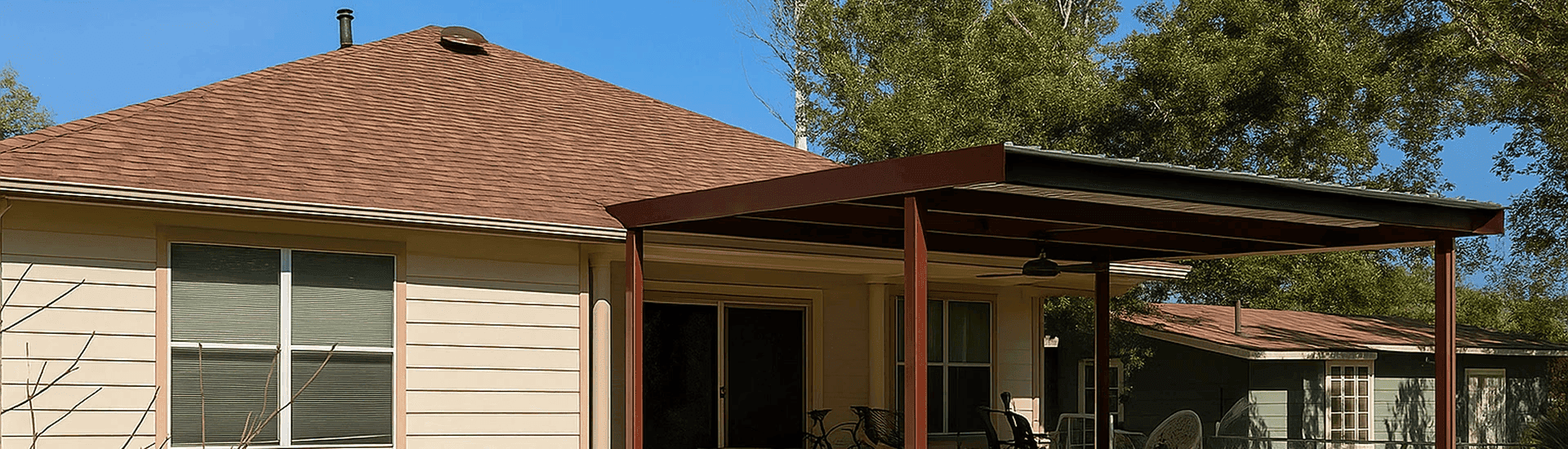
Roof Leak Repair in Belton: Why Windy Rains Cause Leaks
Roof Leak Repair in Belton: Why Windy Rains Cause Leaks
Roof Leak Repair in Belton: Why Windy Rains Cause Leaks
Roof Leak Repair in Belton: Why Windy Rains Cause Leaks
Roof Leak Repair in Belton: Why Windy Rains Cause Leaks
Roof Leak Repair in Belton: Why Windy Rains Cause Leaks
Roof Leak Repair in Belton: Why Windy Rains Cause Leaks
Roof Leak Repair in Belton: Why Windy Rains Cause Leaks
Roof Leak Repair in Belton: Why Windy Rains Cause Leaks
Roof Leak Repair in Belton: Why Windy Rains Cause Leaks



Request a Quote or Ask a Question
Request a Quote or Ask a Question
Request a Quote or Ask a Question
Request a Quote or Ask a Question
Request a Quote or Ask a Question
Request a Quote or Ask a Question
Request a Quote or Ask a Question
Request a Quote or Ask a Question
Request a Quote or Ask a Question
Windy winter rain shows hidden entry points. One week your roof looks fine. The next, a cold, gusty rain rolls through Central Texas and you notice a brown ring on the ceiling, a damp closet corner, or that “wet attic” smell. If you are searching for roof leak repair in Belton, the frustrating part is this: a roof can leak only during wind-driven rain, then stay dry during normal rain.
That is not your imagination. Wind changes how water moves. Instead of falling straight down and shedding off shingles, rain gets shoved sideways and upward, right into seams and edges that usually never see water pressure. Add fast temperature swings after a front, and small gaps can open just enough to let water track in.
Below is a practical, diagnostic guide to help you understand why windy rains expose leaks, where to look first in Belton-area homes, and how a professional leak trace turns a mystery drip into a written repair scope you can act on.
Why windy rain finds leaks that normal rain does not
Most residential roofs in Belton are designed to shed water that falls mostly vertical. Shingles overlap, underlayment backs them up, and flashing directs runoff around “interruptions” like chimneys, walls, vents, and valleys.
Wind-driven rain is different. Strong storm winds can push rain at an angle and increase pressure at roof edges, walls, and penetrations. Thunderstorm outflow and straight-line winds are common drivers of sudden gusts that can accompany heavy rain.
Here is what changes during a gusty winter rain:
Rain hits sideways. Water can be pushed into lap seams, nail lines, and the uphill side of flashing.
Pressure builds at openings. Vents, exhaust terminations, and roof-to-wall transitions can act like funnels when wind hits the right direction.
Shingles can lift slightly. Even a small “flutter” can break the seal line and let water slip under the shingle edge.
Water travels before it shows. A drip in a hallway might start near a bathroom vent, then run along framing and show up several feet away.
If you have ever watched gusts sweep across open water at Lake Belton, you have seen how wind can change direction quickly and hit hard. That same pattern can turn a “routine rain” into a leak-finder.
The most common leak entry points during wind-driven rain in Belton homes
When homeowners call Big Boy Roofing for roof leak repair in Belton, the culprit is often one of these spots (especially when the leak only happens with wind):
Flashing at roof-to-wall transitions
Any place a roof meets a vertical wall needs layered flashing (step flashing plus counterflashing or a proper termination detail). Wind-driven rain can force water behind siding or into the top edge of flashing if the layers are missing or installed wrong.
Clue: Stains at the top of a wall, near a corner, or beside a fireplace chase.
Plumbing vent boots
Those rubber boots around vent pipes bake in the Texas sun, then flex during cold fronts. Small cracks form, and wind-driven rain can push water right through them.
Clue: Drips that appear near bathrooms or laundry rooms after windy rain.
Ridge vents and attic ventilation details
Ventilation is essential, but the details matter. If ridge vent baffles or end caps are not correct, wind can push rain into the vent opening and soak the top of the attic insulation.
Clue: Damp insulation near the peak, not near the eaves.
Valleys
Valleys carry a lot of water. Debris buildup, worn metal, or a poorly sealed valley can leak under “high-volume, high-angle” rain.
Clue: Leaks that show up after long rain periods, especially when wind shifts.
Chimney and metal penetrations
Even if a chimney looks fine from the yard, the counterflashing and reglet cut (or sealed termination) can fail over time. Wind pushes water into tiny voids, then gravity does the rest.
Clue: Staining near a fireplace wall, especially after storms with gusty wind.
Drip edge and roof edge details
Edges take a beating. If the drip edge is missing, poorly overlapped, or the underlayment is not properly lapped over it, wind-driven rain can sneak under the first course of shingles.
Clue: Leaks that show near exterior walls after storms that hit one side of the home hardest.
A simple diagnostic approach you can do safely before calling a roofer
Before anyone gets on a roof, think safety first. Wet shingles are slick. Attics can have exposed nails, low clearance, and electrical hazards. If you are not comfortable, stop and call a pro.
That said, you can gather useful clues that make roof leak repair in Belton faster and more accurate.
Step one: Document the conditions
Write down:
Date and time you noticed the leak
Wind direction if you know it (for example, “windy rain from the north”)
How long it rained before the leak appeared
Whether it stopped when the rain stopped
This matters because wind direction often points to the actual entry side of the roof.
Step two: Find the “first wet” spot inside
Use a flashlight and look for:
A wet ring on drywall (feel for cool dampness)
Soft drywall or bubbling paint
Damp baseboards or trim if the leak is tracking down a wall
Take photos. A clear photo timeline helps your roofer map the path.
Step three: Check the attic only if it is safe
If you can safely peek into the attic:
Look for dark staining on wood
Look for shiny wet nail tips
Smell for that damp insulation odor
Note whether the wet area is near a vent pipe, ridge, or wall line
Do not step on drywall. Step only on framing if you know how to move safely. If you see active dripping near wiring, back out.
Step four: Do not “seal everything” with caulk
This is where many well-meaning homeowners make the final repair harder. Random caulk blobs can trap water, block drainage paths, and hide the true entry point.
A proper repair is usually a detailed fix (flashing, boot, underlayment edge, or shingle replacement), not a smear-and-hope approach.
Why winter fronts in Central Texas can make leaks show up
Belton sits in a part of Texas that sees quick shifts: warm humid air can be replaced by a sharp front, and storms can ride that boundary. Gusty winds can happen ahead of the line, during the downpour, and again behind it.
The National Weather Service frequently emphasizes that high wind events can bring strong gusts that create hazards and damage. When those gusts arrive with rain, your roof gets tested in a way a calm rain never tests it.
Also, “wind plus rain” is not only a hurricane-coast issue. Severe storms and straight-line winds can occur inland and still push water into roof details.
Local note: Many Belton neighborhoods have mature trees. Wind can drop limbs, scrape shingles, or crack a vent cap without leaving obvious “storm damage” from the curb. A small hit can turn into a leak only when the rain comes in sideways.
A real Belton homeowner scenario (what we see in the field)
Here is a common pattern Big Boy Roofing runs into during roof leak repair in Belton calls:
A homeowner near the I-35 corridor notices a water stain forming above a guest bedroom after a gusty winter rain. No leak during normal showers. No missing shingles visible from the yard. The attic shows damp insulation closer to the ridge than the eaves, and the stain is a few feet away from a bathroom.
On inspection, the roof shingles are mostly intact, but the plumbing vent boot has hairline cracking at the rubber collar. During a calm rain, water sheds around it. During a hard, windy rain, gusts push water up the pipe and under the cracked collar. Water runs along the underside of the decking, hits a truss, then follows it until it drops near the bedroom ceiling. The interior stain is not directly under the vent, which is why it feels confusing.
The fix is not guesswork:
Replace the vent boot with a correctly sized, properly integrated boot
Rework shingles around the penetration
Confirm no decking rot
Verify the leak path is dry after the next rain cycle (or via controlled testing when appropriate)
That is what a diagnostic approach looks like: evidence first, then a scoped repair.
What professional leak tracing looks like (and why it saves money)
A strong roofing company does not start with assumptions. For roof leak repair in Belton, a solid process usually includes:
Exterior inspection focused on wind entry angles
Wind leaks are directional. A technician looks at:
The windward side edges
Wall transitions on the storm-facing side
Penetrations and flashing laps on the side that took the gusts
Attic mapping
Attic evidence often tells the truth:
Stain direction
Drip points
Wet insulation pattern
Whether the leak is from the roof or from condensation (yes, that happens too)
Targeted repair plan
Instead of “replace everything,” you get:
The most likely entry point
Photos of the failing detail
A written scope of repair
Clear options (repair now vs. plan replacement later if the roof is at end of life)
If you want the team to handle this step-by-step, use the service page here: Roof Repair.
Wind-driven rain entry points that homeowners often misdiagnose
Even smart homeowners can get thrown off by these:
“It must be the skylight”
Sometimes it is. Often it is not. Water can enter uphill and travel along framing until it shows near a skylight opening.
“My gutters are overflowing so the roof must be leaking”
Overflow can cause fascia and soffit wetness, but interior leaks often come from flashing or penetrations. Both can be true, but they are fixed differently.
“It only leaks when the wind blows, so the shingles must be bad”
Not always. A roof can have good shingles and still leak at one boot, one flashing seam, or one valley.
Practical prevention tips that fit Belton homes
If you want fewer surprises during the next windy winter rain, focus on the details that fail most often:
Replace aging vent boots before they crack. This is one of the most common “hidden” leak sources.
Keep valleys clear. Leaves and grit hold water where it should be moving.
Trim back tree limbs. Rubbing and impact damage can create small openings.
Check flashing at additions and porch tie-ins. These roof-to-wall lines are frequent leak zones.
Schedule periodic inspections. Especially after a storm line with heavy wind.
A quick comparison to highlight why local weather matters: In places like Huron, hail can shred shingles and make damage obvious fast. In parts of Ohio, sudden “monsoon-style” downpours can overwhelm drainage and expose weak valleys. Belton’s windy fronts often do something sneakier: they find the smallest gap and push water uphill until it shows up inside.
Storm discussion and reputable sources
When storms include strong winds, the roof’s water-shedding design gets stressed in ways homeowners do not expect. NOAA’s National Severe Storms Laboratory explains that damaging thunderstorm winds often come from outflow processes and can be intense at ground level. The National Weather Service also outlines high wind alerts and the need to take action during strong wind events.
For Central Texas climate context and local records, NWS resources like the Waco area climatology pages provide official weather summaries and historical climate data.
When to call Big Boy Roofing
Call sooner (not later) if you notice:
Active dripping
A ceiling bulge
Multiple stain locations
Wet insulation in the attic
Moldy or musty odors after storms
And remember the compliance line in plain English: Big Boy Roofing can document the problem, trace the entry point, and provide a clear repair scope. No coverage promises. No claim negotiation. The goal is safe documentation and quality repair work you can trust.
If you want to stop guessing and get a plan, schedule roof leak repair in Belton with a diagnostic visit that ends in a written scope.
If you prefer to stop by and see where we are based, you can also visit us in Belton, TX.
If windy winter rain exposed a leak, do not wait for the next front to make it worse. Book roof leak repair in Belton with Big Boy Roofing today. Book a roof repair visit for leak tracing and a written scope.
Frequently Asked Questions
Why does my roof leak only when the wind is strong?
Because wind can push rain sideways and upward into seams, flashing laps, vent boots, and ridge vent details. Calm rain may never reach those weak points. A targeted inspection for roof leak repair in Belton focuses on the storm-facing side and the most likely entry details.
Is a ceiling stain always directly under the leak?
No. Water often travels along decking, rafters, or trusses before it drops. That is why attic mapping is so valuable.
Should I go on the roof and tarp it?
Only if it is safe and you know what you are doing. Wet shingles are dangerous, and an incorrectly placed tarp can funnel water into new areas. When in doubt, document the leak inside and call a professional.
What should I photograph for a roofer?
Take photos of the stain, any bubbling paint, the room location, and (if safe) attic staining or wet insulation. Also note wind direction and how long the rain lasted.
Can you help if the leak might involve insurance?
Big Boy Roofing can inspect, document damage, and provide a repair scope. We do not promise coverage outcomes and we do not negotiate claims. The focus is accurate documentation and repair work.
Windy winter rain shows hidden entry points. One week your roof looks fine. The next, a cold, gusty rain rolls through Central Texas and you notice a brown ring on the ceiling, a damp closet corner, or that “wet attic” smell. If you are searching for roof leak repair in Belton, the frustrating part is this: a roof can leak only during wind-driven rain, then stay dry during normal rain.
That is not your imagination. Wind changes how water moves. Instead of falling straight down and shedding off shingles, rain gets shoved sideways and upward, right into seams and edges that usually never see water pressure. Add fast temperature swings after a front, and small gaps can open just enough to let water track in.
Below is a practical, diagnostic guide to help you understand why windy rains expose leaks, where to look first in Belton-area homes, and how a professional leak trace turns a mystery drip into a written repair scope you can act on.
Why windy rain finds leaks that normal rain does not
Most residential roofs in Belton are designed to shed water that falls mostly vertical. Shingles overlap, underlayment backs them up, and flashing directs runoff around “interruptions” like chimneys, walls, vents, and valleys.
Wind-driven rain is different. Strong storm winds can push rain at an angle and increase pressure at roof edges, walls, and penetrations. Thunderstorm outflow and straight-line winds are common drivers of sudden gusts that can accompany heavy rain.
Here is what changes during a gusty winter rain:
Rain hits sideways. Water can be pushed into lap seams, nail lines, and the uphill side of flashing.
Pressure builds at openings. Vents, exhaust terminations, and roof-to-wall transitions can act like funnels when wind hits the right direction.
Shingles can lift slightly. Even a small “flutter” can break the seal line and let water slip under the shingle edge.
Water travels before it shows. A drip in a hallway might start near a bathroom vent, then run along framing and show up several feet away.
If you have ever watched gusts sweep across open water at Lake Belton, you have seen how wind can change direction quickly and hit hard. That same pattern can turn a “routine rain” into a leak-finder.
The most common leak entry points during wind-driven rain in Belton homes
When homeowners call Big Boy Roofing for roof leak repair in Belton, the culprit is often one of these spots (especially when the leak only happens with wind):
Flashing at roof-to-wall transitions
Any place a roof meets a vertical wall needs layered flashing (step flashing plus counterflashing or a proper termination detail). Wind-driven rain can force water behind siding or into the top edge of flashing if the layers are missing or installed wrong.
Clue: Stains at the top of a wall, near a corner, or beside a fireplace chase.
Plumbing vent boots
Those rubber boots around vent pipes bake in the Texas sun, then flex during cold fronts. Small cracks form, and wind-driven rain can push water right through them.
Clue: Drips that appear near bathrooms or laundry rooms after windy rain.
Ridge vents and attic ventilation details
Ventilation is essential, but the details matter. If ridge vent baffles or end caps are not correct, wind can push rain into the vent opening and soak the top of the attic insulation.
Clue: Damp insulation near the peak, not near the eaves.
Valleys
Valleys carry a lot of water. Debris buildup, worn metal, or a poorly sealed valley can leak under “high-volume, high-angle” rain.
Clue: Leaks that show up after long rain periods, especially when wind shifts.
Chimney and metal penetrations
Even if a chimney looks fine from the yard, the counterflashing and reglet cut (or sealed termination) can fail over time. Wind pushes water into tiny voids, then gravity does the rest.
Clue: Staining near a fireplace wall, especially after storms with gusty wind.
Drip edge and roof edge details
Edges take a beating. If the drip edge is missing, poorly overlapped, or the underlayment is not properly lapped over it, wind-driven rain can sneak under the first course of shingles.
Clue: Leaks that show near exterior walls after storms that hit one side of the home hardest.
A simple diagnostic approach you can do safely before calling a roofer
Before anyone gets on a roof, think safety first. Wet shingles are slick. Attics can have exposed nails, low clearance, and electrical hazards. If you are not comfortable, stop and call a pro.
That said, you can gather useful clues that make roof leak repair in Belton faster and more accurate.
Step one: Document the conditions
Write down:
Date and time you noticed the leak
Wind direction if you know it (for example, “windy rain from the north”)
How long it rained before the leak appeared
Whether it stopped when the rain stopped
This matters because wind direction often points to the actual entry side of the roof.
Step two: Find the “first wet” spot inside
Use a flashlight and look for:
A wet ring on drywall (feel for cool dampness)
Soft drywall or bubbling paint
Damp baseboards or trim if the leak is tracking down a wall
Take photos. A clear photo timeline helps your roofer map the path.
Step three: Check the attic only if it is safe
If you can safely peek into the attic:
Look for dark staining on wood
Look for shiny wet nail tips
Smell for that damp insulation odor
Note whether the wet area is near a vent pipe, ridge, or wall line
Do not step on drywall. Step only on framing if you know how to move safely. If you see active dripping near wiring, back out.
Step four: Do not “seal everything” with caulk
This is where many well-meaning homeowners make the final repair harder. Random caulk blobs can trap water, block drainage paths, and hide the true entry point.
A proper repair is usually a detailed fix (flashing, boot, underlayment edge, or shingle replacement), not a smear-and-hope approach.
Why winter fronts in Central Texas can make leaks show up
Belton sits in a part of Texas that sees quick shifts: warm humid air can be replaced by a sharp front, and storms can ride that boundary. Gusty winds can happen ahead of the line, during the downpour, and again behind it.
The National Weather Service frequently emphasizes that high wind events can bring strong gusts that create hazards and damage. When those gusts arrive with rain, your roof gets tested in a way a calm rain never tests it.
Also, “wind plus rain” is not only a hurricane-coast issue. Severe storms and straight-line winds can occur inland and still push water into roof details.
Local note: Many Belton neighborhoods have mature trees. Wind can drop limbs, scrape shingles, or crack a vent cap without leaving obvious “storm damage” from the curb. A small hit can turn into a leak only when the rain comes in sideways.
A real Belton homeowner scenario (what we see in the field)
Here is a common pattern Big Boy Roofing runs into during roof leak repair in Belton calls:
A homeowner near the I-35 corridor notices a water stain forming above a guest bedroom after a gusty winter rain. No leak during normal showers. No missing shingles visible from the yard. The attic shows damp insulation closer to the ridge than the eaves, and the stain is a few feet away from a bathroom.
On inspection, the roof shingles are mostly intact, but the plumbing vent boot has hairline cracking at the rubber collar. During a calm rain, water sheds around it. During a hard, windy rain, gusts push water up the pipe and under the cracked collar. Water runs along the underside of the decking, hits a truss, then follows it until it drops near the bedroom ceiling. The interior stain is not directly under the vent, which is why it feels confusing.
The fix is not guesswork:
Replace the vent boot with a correctly sized, properly integrated boot
Rework shingles around the penetration
Confirm no decking rot
Verify the leak path is dry after the next rain cycle (or via controlled testing when appropriate)
That is what a diagnostic approach looks like: evidence first, then a scoped repair.
What professional leak tracing looks like (and why it saves money)
A strong roofing company does not start with assumptions. For roof leak repair in Belton, a solid process usually includes:
Exterior inspection focused on wind entry angles
Wind leaks are directional. A technician looks at:
The windward side edges
Wall transitions on the storm-facing side
Penetrations and flashing laps on the side that took the gusts
Attic mapping
Attic evidence often tells the truth:
Stain direction
Drip points
Wet insulation pattern
Whether the leak is from the roof or from condensation (yes, that happens too)
Targeted repair plan
Instead of “replace everything,” you get:
The most likely entry point
Photos of the failing detail
A written scope of repair
Clear options (repair now vs. plan replacement later if the roof is at end of life)
If you want the team to handle this step-by-step, use the service page here: Roof Repair.
Wind-driven rain entry points that homeowners often misdiagnose
Even smart homeowners can get thrown off by these:
“It must be the skylight”
Sometimes it is. Often it is not. Water can enter uphill and travel along framing until it shows near a skylight opening.
“My gutters are overflowing so the roof must be leaking”
Overflow can cause fascia and soffit wetness, but interior leaks often come from flashing or penetrations. Both can be true, but they are fixed differently.
“It only leaks when the wind blows, so the shingles must be bad”
Not always. A roof can have good shingles and still leak at one boot, one flashing seam, or one valley.
Practical prevention tips that fit Belton homes
If you want fewer surprises during the next windy winter rain, focus on the details that fail most often:
Replace aging vent boots before they crack. This is one of the most common “hidden” leak sources.
Keep valleys clear. Leaves and grit hold water where it should be moving.
Trim back tree limbs. Rubbing and impact damage can create small openings.
Check flashing at additions and porch tie-ins. These roof-to-wall lines are frequent leak zones.
Schedule periodic inspections. Especially after a storm line with heavy wind.
A quick comparison to highlight why local weather matters: In places like Huron, hail can shred shingles and make damage obvious fast. In parts of Ohio, sudden “monsoon-style” downpours can overwhelm drainage and expose weak valleys. Belton’s windy fronts often do something sneakier: they find the smallest gap and push water uphill until it shows up inside.
Storm discussion and reputable sources
When storms include strong winds, the roof’s water-shedding design gets stressed in ways homeowners do not expect. NOAA’s National Severe Storms Laboratory explains that damaging thunderstorm winds often come from outflow processes and can be intense at ground level. The National Weather Service also outlines high wind alerts and the need to take action during strong wind events.
For Central Texas climate context and local records, NWS resources like the Waco area climatology pages provide official weather summaries and historical climate data.
When to call Big Boy Roofing
Call sooner (not later) if you notice:
Active dripping
A ceiling bulge
Multiple stain locations
Wet insulation in the attic
Moldy or musty odors after storms
And remember the compliance line in plain English: Big Boy Roofing can document the problem, trace the entry point, and provide a clear repair scope. No coverage promises. No claim negotiation. The goal is safe documentation and quality repair work you can trust.
If you want to stop guessing and get a plan, schedule roof leak repair in Belton with a diagnostic visit that ends in a written scope.
If you prefer to stop by and see where we are based, you can also visit us in Belton, TX.
If windy winter rain exposed a leak, do not wait for the next front to make it worse. Book roof leak repair in Belton with Big Boy Roofing today. Book a roof repair visit for leak tracing and a written scope.
Frequently Asked Questions
Why does my roof leak only when the wind is strong?
Because wind can push rain sideways and upward into seams, flashing laps, vent boots, and ridge vent details. Calm rain may never reach those weak points. A targeted inspection for roof leak repair in Belton focuses on the storm-facing side and the most likely entry details.
Is a ceiling stain always directly under the leak?
No. Water often travels along decking, rafters, or trusses before it drops. That is why attic mapping is so valuable.
Should I go on the roof and tarp it?
Only if it is safe and you know what you are doing. Wet shingles are dangerous, and an incorrectly placed tarp can funnel water into new areas. When in doubt, document the leak inside and call a professional.
What should I photograph for a roofer?
Take photos of the stain, any bubbling paint, the room location, and (if safe) attic staining or wet insulation. Also note wind direction and how long the rain lasted.
Can you help if the leak might involve insurance?
Big Boy Roofing can inspect, document damage, and provide a repair scope. We do not promise coverage outcomes and we do not negotiate claims. The focus is accurate documentation and repair work.
Windy winter rain shows hidden entry points. One week your roof looks fine. The next, a cold, gusty rain rolls through Central Texas and you notice a brown ring on the ceiling, a damp closet corner, or that “wet attic” smell. If you are searching for roof leak repair in Belton, the frustrating part is this: a roof can leak only during wind-driven rain, then stay dry during normal rain.
That is not your imagination. Wind changes how water moves. Instead of falling straight down and shedding off shingles, rain gets shoved sideways and upward, right into seams and edges that usually never see water pressure. Add fast temperature swings after a front, and small gaps can open just enough to let water track in.
Below is a practical, diagnostic guide to help you understand why windy rains expose leaks, where to look first in Belton-area homes, and how a professional leak trace turns a mystery drip into a written repair scope you can act on.
Why windy rain finds leaks that normal rain does not
Most residential roofs in Belton are designed to shed water that falls mostly vertical. Shingles overlap, underlayment backs them up, and flashing directs runoff around “interruptions” like chimneys, walls, vents, and valleys.
Wind-driven rain is different. Strong storm winds can push rain at an angle and increase pressure at roof edges, walls, and penetrations. Thunderstorm outflow and straight-line winds are common drivers of sudden gusts that can accompany heavy rain.
Here is what changes during a gusty winter rain:
Rain hits sideways. Water can be pushed into lap seams, nail lines, and the uphill side of flashing.
Pressure builds at openings. Vents, exhaust terminations, and roof-to-wall transitions can act like funnels when wind hits the right direction.
Shingles can lift slightly. Even a small “flutter” can break the seal line and let water slip under the shingle edge.
Water travels before it shows. A drip in a hallway might start near a bathroom vent, then run along framing and show up several feet away.
If you have ever watched gusts sweep across open water at Lake Belton, you have seen how wind can change direction quickly and hit hard. That same pattern can turn a “routine rain” into a leak-finder.
The most common leak entry points during wind-driven rain in Belton homes
When homeowners call Big Boy Roofing for roof leak repair in Belton, the culprit is often one of these spots (especially when the leak only happens with wind):
Flashing at roof-to-wall transitions
Any place a roof meets a vertical wall needs layered flashing (step flashing plus counterflashing or a proper termination detail). Wind-driven rain can force water behind siding or into the top edge of flashing if the layers are missing or installed wrong.
Clue: Stains at the top of a wall, near a corner, or beside a fireplace chase.
Plumbing vent boots
Those rubber boots around vent pipes bake in the Texas sun, then flex during cold fronts. Small cracks form, and wind-driven rain can push water right through them.
Clue: Drips that appear near bathrooms or laundry rooms after windy rain.
Ridge vents and attic ventilation details
Ventilation is essential, but the details matter. If ridge vent baffles or end caps are not correct, wind can push rain into the vent opening and soak the top of the attic insulation.
Clue: Damp insulation near the peak, not near the eaves.
Valleys
Valleys carry a lot of water. Debris buildup, worn metal, or a poorly sealed valley can leak under “high-volume, high-angle” rain.
Clue: Leaks that show up after long rain periods, especially when wind shifts.
Chimney and metal penetrations
Even if a chimney looks fine from the yard, the counterflashing and reglet cut (or sealed termination) can fail over time. Wind pushes water into tiny voids, then gravity does the rest.
Clue: Staining near a fireplace wall, especially after storms with gusty wind.
Drip edge and roof edge details
Edges take a beating. If the drip edge is missing, poorly overlapped, or the underlayment is not properly lapped over it, wind-driven rain can sneak under the first course of shingles.
Clue: Leaks that show near exterior walls after storms that hit one side of the home hardest.
A simple diagnostic approach you can do safely before calling a roofer
Before anyone gets on a roof, think safety first. Wet shingles are slick. Attics can have exposed nails, low clearance, and electrical hazards. If you are not comfortable, stop and call a pro.
That said, you can gather useful clues that make roof leak repair in Belton faster and more accurate.
Step one: Document the conditions
Write down:
Date and time you noticed the leak
Wind direction if you know it (for example, “windy rain from the north”)
How long it rained before the leak appeared
Whether it stopped when the rain stopped
This matters because wind direction often points to the actual entry side of the roof.
Step two: Find the “first wet” spot inside
Use a flashlight and look for:
A wet ring on drywall (feel for cool dampness)
Soft drywall or bubbling paint
Damp baseboards or trim if the leak is tracking down a wall
Take photos. A clear photo timeline helps your roofer map the path.
Step three: Check the attic only if it is safe
If you can safely peek into the attic:
Look for dark staining on wood
Look for shiny wet nail tips
Smell for that damp insulation odor
Note whether the wet area is near a vent pipe, ridge, or wall line
Do not step on drywall. Step only on framing if you know how to move safely. If you see active dripping near wiring, back out.
Step four: Do not “seal everything” with caulk
This is where many well-meaning homeowners make the final repair harder. Random caulk blobs can trap water, block drainage paths, and hide the true entry point.
A proper repair is usually a detailed fix (flashing, boot, underlayment edge, or shingle replacement), not a smear-and-hope approach.
Why winter fronts in Central Texas can make leaks show up
Belton sits in a part of Texas that sees quick shifts: warm humid air can be replaced by a sharp front, and storms can ride that boundary. Gusty winds can happen ahead of the line, during the downpour, and again behind it.
The National Weather Service frequently emphasizes that high wind events can bring strong gusts that create hazards and damage. When those gusts arrive with rain, your roof gets tested in a way a calm rain never tests it.
Also, “wind plus rain” is not only a hurricane-coast issue. Severe storms and straight-line winds can occur inland and still push water into roof details.
Local note: Many Belton neighborhoods have mature trees. Wind can drop limbs, scrape shingles, or crack a vent cap without leaving obvious “storm damage” from the curb. A small hit can turn into a leak only when the rain comes in sideways.
A real Belton homeowner scenario (what we see in the field)
Here is a common pattern Big Boy Roofing runs into during roof leak repair in Belton calls:
A homeowner near the I-35 corridor notices a water stain forming above a guest bedroom after a gusty winter rain. No leak during normal showers. No missing shingles visible from the yard. The attic shows damp insulation closer to the ridge than the eaves, and the stain is a few feet away from a bathroom.
On inspection, the roof shingles are mostly intact, but the plumbing vent boot has hairline cracking at the rubber collar. During a calm rain, water sheds around it. During a hard, windy rain, gusts push water up the pipe and under the cracked collar. Water runs along the underside of the decking, hits a truss, then follows it until it drops near the bedroom ceiling. The interior stain is not directly under the vent, which is why it feels confusing.
The fix is not guesswork:
Replace the vent boot with a correctly sized, properly integrated boot
Rework shingles around the penetration
Confirm no decking rot
Verify the leak path is dry after the next rain cycle (or via controlled testing when appropriate)
That is what a diagnostic approach looks like: evidence first, then a scoped repair.
What professional leak tracing looks like (and why it saves money)
A strong roofing company does not start with assumptions. For roof leak repair in Belton, a solid process usually includes:
Exterior inspection focused on wind entry angles
Wind leaks are directional. A technician looks at:
The windward side edges
Wall transitions on the storm-facing side
Penetrations and flashing laps on the side that took the gusts
Attic mapping
Attic evidence often tells the truth:
Stain direction
Drip points
Wet insulation pattern
Whether the leak is from the roof or from condensation (yes, that happens too)
Targeted repair plan
Instead of “replace everything,” you get:
The most likely entry point
Photos of the failing detail
A written scope of repair
Clear options (repair now vs. plan replacement later if the roof is at end of life)
If you want the team to handle this step-by-step, use the service page here: Roof Repair.
Wind-driven rain entry points that homeowners often misdiagnose
Even smart homeowners can get thrown off by these:
“It must be the skylight”
Sometimes it is. Often it is not. Water can enter uphill and travel along framing until it shows near a skylight opening.
“My gutters are overflowing so the roof must be leaking”
Overflow can cause fascia and soffit wetness, but interior leaks often come from flashing or penetrations. Both can be true, but they are fixed differently.
“It only leaks when the wind blows, so the shingles must be bad”
Not always. A roof can have good shingles and still leak at one boot, one flashing seam, or one valley.
Practical prevention tips that fit Belton homes
If you want fewer surprises during the next windy winter rain, focus on the details that fail most often:
Replace aging vent boots before they crack. This is one of the most common “hidden” leak sources.
Keep valleys clear. Leaves and grit hold water where it should be moving.
Trim back tree limbs. Rubbing and impact damage can create small openings.
Check flashing at additions and porch tie-ins. These roof-to-wall lines are frequent leak zones.
Schedule periodic inspections. Especially after a storm line with heavy wind.
A quick comparison to highlight why local weather matters: In places like Huron, hail can shred shingles and make damage obvious fast. In parts of Ohio, sudden “monsoon-style” downpours can overwhelm drainage and expose weak valleys. Belton’s windy fronts often do something sneakier: they find the smallest gap and push water uphill until it shows up inside.
Storm discussion and reputable sources
When storms include strong winds, the roof’s water-shedding design gets stressed in ways homeowners do not expect. NOAA’s National Severe Storms Laboratory explains that damaging thunderstorm winds often come from outflow processes and can be intense at ground level. The National Weather Service also outlines high wind alerts and the need to take action during strong wind events.
For Central Texas climate context and local records, NWS resources like the Waco area climatology pages provide official weather summaries and historical climate data.
When to call Big Boy Roofing
Call sooner (not later) if you notice:
Active dripping
A ceiling bulge
Multiple stain locations
Wet insulation in the attic
Moldy or musty odors after storms
And remember the compliance line in plain English: Big Boy Roofing can document the problem, trace the entry point, and provide a clear repair scope. No coverage promises. No claim negotiation. The goal is safe documentation and quality repair work you can trust.
If you want to stop guessing and get a plan, schedule roof leak repair in Belton with a diagnostic visit that ends in a written scope.
If you prefer to stop by and see where we are based, you can also visit us in Belton, TX.
If windy winter rain exposed a leak, do not wait for the next front to make it worse. Book roof leak repair in Belton with Big Boy Roofing today. Book a roof repair visit for leak tracing and a written scope.
Frequently Asked Questions
Why does my roof leak only when the wind is strong?
Because wind can push rain sideways and upward into seams, flashing laps, vent boots, and ridge vent details. Calm rain may never reach those weak points. A targeted inspection for roof leak repair in Belton focuses on the storm-facing side and the most likely entry details.
Is a ceiling stain always directly under the leak?
No. Water often travels along decking, rafters, or trusses before it drops. That is why attic mapping is so valuable.
Should I go on the roof and tarp it?
Only if it is safe and you know what you are doing. Wet shingles are dangerous, and an incorrectly placed tarp can funnel water into new areas. When in doubt, document the leak inside and call a professional.
What should I photograph for a roofer?
Take photos of the stain, any bubbling paint, the room location, and (if safe) attic staining or wet insulation. Also note wind direction and how long the rain lasted.
Can you help if the leak might involve insurance?
Big Boy Roofing can inspect, document damage, and provide a repair scope. We do not promise coverage outcomes and we do not negotiate claims. The focus is accurate documentation and repair work.
Windy winter rain shows hidden entry points. One week your roof looks fine. The next, a cold, gusty rain rolls through Central Texas and you notice a brown ring on the ceiling, a damp closet corner, or that “wet attic” smell. If you are searching for roof leak repair in Belton, the frustrating part is this: a roof can leak only during wind-driven rain, then stay dry during normal rain.
That is not your imagination. Wind changes how water moves. Instead of falling straight down and shedding off shingles, rain gets shoved sideways and upward, right into seams and edges that usually never see water pressure. Add fast temperature swings after a front, and small gaps can open just enough to let water track in.
Below is a practical, diagnostic guide to help you understand why windy rains expose leaks, where to look first in Belton-area homes, and how a professional leak trace turns a mystery drip into a written repair scope you can act on.
Why windy rain finds leaks that normal rain does not
Most residential roofs in Belton are designed to shed water that falls mostly vertical. Shingles overlap, underlayment backs them up, and flashing directs runoff around “interruptions” like chimneys, walls, vents, and valleys.
Wind-driven rain is different. Strong storm winds can push rain at an angle and increase pressure at roof edges, walls, and penetrations. Thunderstorm outflow and straight-line winds are common drivers of sudden gusts that can accompany heavy rain.
Here is what changes during a gusty winter rain:
Rain hits sideways. Water can be pushed into lap seams, nail lines, and the uphill side of flashing.
Pressure builds at openings. Vents, exhaust terminations, and roof-to-wall transitions can act like funnels when wind hits the right direction.
Shingles can lift slightly. Even a small “flutter” can break the seal line and let water slip under the shingle edge.
Water travels before it shows. A drip in a hallway might start near a bathroom vent, then run along framing and show up several feet away.
If you have ever watched gusts sweep across open water at Lake Belton, you have seen how wind can change direction quickly and hit hard. That same pattern can turn a “routine rain” into a leak-finder.
The most common leak entry points during wind-driven rain in Belton homes
When homeowners call Big Boy Roofing for roof leak repair in Belton, the culprit is often one of these spots (especially when the leak only happens with wind):
Flashing at roof-to-wall transitions
Any place a roof meets a vertical wall needs layered flashing (step flashing plus counterflashing or a proper termination detail). Wind-driven rain can force water behind siding or into the top edge of flashing if the layers are missing or installed wrong.
Clue: Stains at the top of a wall, near a corner, or beside a fireplace chase.
Plumbing vent boots
Those rubber boots around vent pipes bake in the Texas sun, then flex during cold fronts. Small cracks form, and wind-driven rain can push water right through them.
Clue: Drips that appear near bathrooms or laundry rooms after windy rain.
Ridge vents and attic ventilation details
Ventilation is essential, but the details matter. If ridge vent baffles or end caps are not correct, wind can push rain into the vent opening and soak the top of the attic insulation.
Clue: Damp insulation near the peak, not near the eaves.
Valleys
Valleys carry a lot of water. Debris buildup, worn metal, or a poorly sealed valley can leak under “high-volume, high-angle” rain.
Clue: Leaks that show up after long rain periods, especially when wind shifts.
Chimney and metal penetrations
Even if a chimney looks fine from the yard, the counterflashing and reglet cut (or sealed termination) can fail over time. Wind pushes water into tiny voids, then gravity does the rest.
Clue: Staining near a fireplace wall, especially after storms with gusty wind.
Drip edge and roof edge details
Edges take a beating. If the drip edge is missing, poorly overlapped, or the underlayment is not properly lapped over it, wind-driven rain can sneak under the first course of shingles.
Clue: Leaks that show near exterior walls after storms that hit one side of the home hardest.
A simple diagnostic approach you can do safely before calling a roofer
Before anyone gets on a roof, think safety first. Wet shingles are slick. Attics can have exposed nails, low clearance, and electrical hazards. If you are not comfortable, stop and call a pro.
That said, you can gather useful clues that make roof leak repair in Belton faster and more accurate.
Step one: Document the conditions
Write down:
Date and time you noticed the leak
Wind direction if you know it (for example, “windy rain from the north”)
How long it rained before the leak appeared
Whether it stopped when the rain stopped
This matters because wind direction often points to the actual entry side of the roof.
Step two: Find the “first wet” spot inside
Use a flashlight and look for:
A wet ring on drywall (feel for cool dampness)
Soft drywall or bubbling paint
Damp baseboards or trim if the leak is tracking down a wall
Take photos. A clear photo timeline helps your roofer map the path.
Step three: Check the attic only if it is safe
If you can safely peek into the attic:
Look for dark staining on wood
Look for shiny wet nail tips
Smell for that damp insulation odor
Note whether the wet area is near a vent pipe, ridge, or wall line
Do not step on drywall. Step only on framing if you know how to move safely. If you see active dripping near wiring, back out.
Step four: Do not “seal everything” with caulk
This is where many well-meaning homeowners make the final repair harder. Random caulk blobs can trap water, block drainage paths, and hide the true entry point.
A proper repair is usually a detailed fix (flashing, boot, underlayment edge, or shingle replacement), not a smear-and-hope approach.
Why winter fronts in Central Texas can make leaks show up
Belton sits in a part of Texas that sees quick shifts: warm humid air can be replaced by a sharp front, and storms can ride that boundary. Gusty winds can happen ahead of the line, during the downpour, and again behind it.
The National Weather Service frequently emphasizes that high wind events can bring strong gusts that create hazards and damage. When those gusts arrive with rain, your roof gets tested in a way a calm rain never tests it.
Also, “wind plus rain” is not only a hurricane-coast issue. Severe storms and straight-line winds can occur inland and still push water into roof details.
Local note: Many Belton neighborhoods have mature trees. Wind can drop limbs, scrape shingles, or crack a vent cap without leaving obvious “storm damage” from the curb. A small hit can turn into a leak only when the rain comes in sideways.
A real Belton homeowner scenario (what we see in the field)
Here is a common pattern Big Boy Roofing runs into during roof leak repair in Belton calls:
A homeowner near the I-35 corridor notices a water stain forming above a guest bedroom after a gusty winter rain. No leak during normal showers. No missing shingles visible from the yard. The attic shows damp insulation closer to the ridge than the eaves, and the stain is a few feet away from a bathroom.
On inspection, the roof shingles are mostly intact, but the plumbing vent boot has hairline cracking at the rubber collar. During a calm rain, water sheds around it. During a hard, windy rain, gusts push water up the pipe and under the cracked collar. Water runs along the underside of the decking, hits a truss, then follows it until it drops near the bedroom ceiling. The interior stain is not directly under the vent, which is why it feels confusing.
The fix is not guesswork:
Replace the vent boot with a correctly sized, properly integrated boot
Rework shingles around the penetration
Confirm no decking rot
Verify the leak path is dry after the next rain cycle (or via controlled testing when appropriate)
That is what a diagnostic approach looks like: evidence first, then a scoped repair.
What professional leak tracing looks like (and why it saves money)
A strong roofing company does not start with assumptions. For roof leak repair in Belton, a solid process usually includes:
Exterior inspection focused on wind entry angles
Wind leaks are directional. A technician looks at:
The windward side edges
Wall transitions on the storm-facing side
Penetrations and flashing laps on the side that took the gusts
Attic mapping
Attic evidence often tells the truth:
Stain direction
Drip points
Wet insulation pattern
Whether the leak is from the roof or from condensation (yes, that happens too)
Targeted repair plan
Instead of “replace everything,” you get:
The most likely entry point
Photos of the failing detail
A written scope of repair
Clear options (repair now vs. plan replacement later if the roof is at end of life)
If you want the team to handle this step-by-step, use the service page here: Roof Repair.
Wind-driven rain entry points that homeowners often misdiagnose
Even smart homeowners can get thrown off by these:
“It must be the skylight”
Sometimes it is. Often it is not. Water can enter uphill and travel along framing until it shows near a skylight opening.
“My gutters are overflowing so the roof must be leaking”
Overflow can cause fascia and soffit wetness, but interior leaks often come from flashing or penetrations. Both can be true, but they are fixed differently.
“It only leaks when the wind blows, so the shingles must be bad”
Not always. A roof can have good shingles and still leak at one boot, one flashing seam, or one valley.
Practical prevention tips that fit Belton homes
If you want fewer surprises during the next windy winter rain, focus on the details that fail most often:
Replace aging vent boots before they crack. This is one of the most common “hidden” leak sources.
Keep valleys clear. Leaves and grit hold water where it should be moving.
Trim back tree limbs. Rubbing and impact damage can create small openings.
Check flashing at additions and porch tie-ins. These roof-to-wall lines are frequent leak zones.
Schedule periodic inspections. Especially after a storm line with heavy wind.
A quick comparison to highlight why local weather matters: In places like Huron, hail can shred shingles and make damage obvious fast. In parts of Ohio, sudden “monsoon-style” downpours can overwhelm drainage and expose weak valleys. Belton’s windy fronts often do something sneakier: they find the smallest gap and push water uphill until it shows up inside.
Storm discussion and reputable sources
When storms include strong winds, the roof’s water-shedding design gets stressed in ways homeowners do not expect. NOAA’s National Severe Storms Laboratory explains that damaging thunderstorm winds often come from outflow processes and can be intense at ground level. The National Weather Service also outlines high wind alerts and the need to take action during strong wind events.
For Central Texas climate context and local records, NWS resources like the Waco area climatology pages provide official weather summaries and historical climate data.
When to call Big Boy Roofing
Call sooner (not later) if you notice:
Active dripping
A ceiling bulge
Multiple stain locations
Wet insulation in the attic
Moldy or musty odors after storms
And remember the compliance line in plain English: Big Boy Roofing can document the problem, trace the entry point, and provide a clear repair scope. No coverage promises. No claim negotiation. The goal is safe documentation and quality repair work you can trust.
If you want to stop guessing and get a plan, schedule roof leak repair in Belton with a diagnostic visit that ends in a written scope.
If you prefer to stop by and see where we are based, you can also visit us in Belton, TX.
If windy winter rain exposed a leak, do not wait for the next front to make it worse. Book roof leak repair in Belton with Big Boy Roofing today. Book a roof repair visit for leak tracing and a written scope.
Frequently Asked Questions
Why does my roof leak only when the wind is strong?
Because wind can push rain sideways and upward into seams, flashing laps, vent boots, and ridge vent details. Calm rain may never reach those weak points. A targeted inspection for roof leak repair in Belton focuses on the storm-facing side and the most likely entry details.
Is a ceiling stain always directly under the leak?
No. Water often travels along decking, rafters, or trusses before it drops. That is why attic mapping is so valuable.
Should I go on the roof and tarp it?
Only if it is safe and you know what you are doing. Wet shingles are dangerous, and an incorrectly placed tarp can funnel water into new areas. When in doubt, document the leak inside and call a professional.
What should I photograph for a roofer?
Take photos of the stain, any bubbling paint, the room location, and (if safe) attic staining or wet insulation. Also note wind direction and how long the rain lasted.
Can you help if the leak might involve insurance?
Big Boy Roofing can inspect, document damage, and provide a repair scope. We do not promise coverage outcomes and we do not negotiate claims. The focus is accurate documentation and repair work.
Windy winter rain shows hidden entry points. One week your roof looks fine. The next, a cold, gusty rain rolls through Central Texas and you notice a brown ring on the ceiling, a damp closet corner, or that “wet attic” smell. If you are searching for roof leak repair in Belton, the frustrating part is this: a roof can leak only during wind-driven rain, then stay dry during normal rain.
That is not your imagination. Wind changes how water moves. Instead of falling straight down and shedding off shingles, rain gets shoved sideways and upward, right into seams and edges that usually never see water pressure. Add fast temperature swings after a front, and small gaps can open just enough to let water track in.
Below is a practical, diagnostic guide to help you understand why windy rains expose leaks, where to look first in Belton-area homes, and how a professional leak trace turns a mystery drip into a written repair scope you can act on.
Why windy rain finds leaks that normal rain does not
Most residential roofs in Belton are designed to shed water that falls mostly vertical. Shingles overlap, underlayment backs them up, and flashing directs runoff around “interruptions” like chimneys, walls, vents, and valleys.
Wind-driven rain is different. Strong storm winds can push rain at an angle and increase pressure at roof edges, walls, and penetrations. Thunderstorm outflow and straight-line winds are common drivers of sudden gusts that can accompany heavy rain.
Here is what changes during a gusty winter rain:
Rain hits sideways. Water can be pushed into lap seams, nail lines, and the uphill side of flashing.
Pressure builds at openings. Vents, exhaust terminations, and roof-to-wall transitions can act like funnels when wind hits the right direction.
Shingles can lift slightly. Even a small “flutter” can break the seal line and let water slip under the shingle edge.
Water travels before it shows. A drip in a hallway might start near a bathroom vent, then run along framing and show up several feet away.
If you have ever watched gusts sweep across open water at Lake Belton, you have seen how wind can change direction quickly and hit hard. That same pattern can turn a “routine rain” into a leak-finder.
The most common leak entry points during wind-driven rain in Belton homes
When homeowners call Big Boy Roofing for roof leak repair in Belton, the culprit is often one of these spots (especially when the leak only happens with wind):
Flashing at roof-to-wall transitions
Any place a roof meets a vertical wall needs layered flashing (step flashing plus counterflashing or a proper termination detail). Wind-driven rain can force water behind siding or into the top edge of flashing if the layers are missing or installed wrong.
Clue: Stains at the top of a wall, near a corner, or beside a fireplace chase.
Plumbing vent boots
Those rubber boots around vent pipes bake in the Texas sun, then flex during cold fronts. Small cracks form, and wind-driven rain can push water right through them.
Clue: Drips that appear near bathrooms or laundry rooms after windy rain.
Ridge vents and attic ventilation details
Ventilation is essential, but the details matter. If ridge vent baffles or end caps are not correct, wind can push rain into the vent opening and soak the top of the attic insulation.
Clue: Damp insulation near the peak, not near the eaves.
Valleys
Valleys carry a lot of water. Debris buildup, worn metal, or a poorly sealed valley can leak under “high-volume, high-angle” rain.
Clue: Leaks that show up after long rain periods, especially when wind shifts.
Chimney and metal penetrations
Even if a chimney looks fine from the yard, the counterflashing and reglet cut (or sealed termination) can fail over time. Wind pushes water into tiny voids, then gravity does the rest.
Clue: Staining near a fireplace wall, especially after storms with gusty wind.
Drip edge and roof edge details
Edges take a beating. If the drip edge is missing, poorly overlapped, or the underlayment is not properly lapped over it, wind-driven rain can sneak under the first course of shingles.
Clue: Leaks that show near exterior walls after storms that hit one side of the home hardest.
A simple diagnostic approach you can do safely before calling a roofer
Before anyone gets on a roof, think safety first. Wet shingles are slick. Attics can have exposed nails, low clearance, and electrical hazards. If you are not comfortable, stop and call a pro.
That said, you can gather useful clues that make roof leak repair in Belton faster and more accurate.
Step one: Document the conditions
Write down:
Date and time you noticed the leak
Wind direction if you know it (for example, “windy rain from the north”)
How long it rained before the leak appeared
Whether it stopped when the rain stopped
This matters because wind direction often points to the actual entry side of the roof.
Step two: Find the “first wet” spot inside
Use a flashlight and look for:
A wet ring on drywall (feel for cool dampness)
Soft drywall or bubbling paint
Damp baseboards or trim if the leak is tracking down a wall
Take photos. A clear photo timeline helps your roofer map the path.
Step three: Check the attic only if it is safe
If you can safely peek into the attic:
Look for dark staining on wood
Look for shiny wet nail tips
Smell for that damp insulation odor
Note whether the wet area is near a vent pipe, ridge, or wall line
Do not step on drywall. Step only on framing if you know how to move safely. If you see active dripping near wiring, back out.
Step four: Do not “seal everything” with caulk
This is where many well-meaning homeowners make the final repair harder. Random caulk blobs can trap water, block drainage paths, and hide the true entry point.
A proper repair is usually a detailed fix (flashing, boot, underlayment edge, or shingle replacement), not a smear-and-hope approach.
Why winter fronts in Central Texas can make leaks show up
Belton sits in a part of Texas that sees quick shifts: warm humid air can be replaced by a sharp front, and storms can ride that boundary. Gusty winds can happen ahead of the line, during the downpour, and again behind it.
The National Weather Service frequently emphasizes that high wind events can bring strong gusts that create hazards and damage. When those gusts arrive with rain, your roof gets tested in a way a calm rain never tests it.
Also, “wind plus rain” is not only a hurricane-coast issue. Severe storms and straight-line winds can occur inland and still push water into roof details.
Local note: Many Belton neighborhoods have mature trees. Wind can drop limbs, scrape shingles, or crack a vent cap without leaving obvious “storm damage” from the curb. A small hit can turn into a leak only when the rain comes in sideways.
A real Belton homeowner scenario (what we see in the field)
Here is a common pattern Big Boy Roofing runs into during roof leak repair in Belton calls:
A homeowner near the I-35 corridor notices a water stain forming above a guest bedroom after a gusty winter rain. No leak during normal showers. No missing shingles visible from the yard. The attic shows damp insulation closer to the ridge than the eaves, and the stain is a few feet away from a bathroom.
On inspection, the roof shingles are mostly intact, but the plumbing vent boot has hairline cracking at the rubber collar. During a calm rain, water sheds around it. During a hard, windy rain, gusts push water up the pipe and under the cracked collar. Water runs along the underside of the decking, hits a truss, then follows it until it drops near the bedroom ceiling. The interior stain is not directly under the vent, which is why it feels confusing.
The fix is not guesswork:
Replace the vent boot with a correctly sized, properly integrated boot
Rework shingles around the penetration
Confirm no decking rot
Verify the leak path is dry after the next rain cycle (or via controlled testing when appropriate)
That is what a diagnostic approach looks like: evidence first, then a scoped repair.
What professional leak tracing looks like (and why it saves money)
A strong roofing company does not start with assumptions. For roof leak repair in Belton, a solid process usually includes:
Exterior inspection focused on wind entry angles
Wind leaks are directional. A technician looks at:
The windward side edges
Wall transitions on the storm-facing side
Penetrations and flashing laps on the side that took the gusts
Attic mapping
Attic evidence often tells the truth:
Stain direction
Drip points
Wet insulation pattern
Whether the leak is from the roof or from condensation (yes, that happens too)
Targeted repair plan
Instead of “replace everything,” you get:
The most likely entry point
Photos of the failing detail
A written scope of repair
Clear options (repair now vs. plan replacement later if the roof is at end of life)
If you want the team to handle this step-by-step, use the service page here: Roof Repair.
Wind-driven rain entry points that homeowners often misdiagnose
Even smart homeowners can get thrown off by these:
“It must be the skylight”
Sometimes it is. Often it is not. Water can enter uphill and travel along framing until it shows near a skylight opening.
“My gutters are overflowing so the roof must be leaking”
Overflow can cause fascia and soffit wetness, but interior leaks often come from flashing or penetrations. Both can be true, but they are fixed differently.
“It only leaks when the wind blows, so the shingles must be bad”
Not always. A roof can have good shingles and still leak at one boot, one flashing seam, or one valley.
Practical prevention tips that fit Belton homes
If you want fewer surprises during the next windy winter rain, focus on the details that fail most often:
Replace aging vent boots before they crack. This is one of the most common “hidden” leak sources.
Keep valleys clear. Leaves and grit hold water where it should be moving.
Trim back tree limbs. Rubbing and impact damage can create small openings.
Check flashing at additions and porch tie-ins. These roof-to-wall lines are frequent leak zones.
Schedule periodic inspections. Especially after a storm line with heavy wind.
A quick comparison to highlight why local weather matters: In places like Huron, hail can shred shingles and make damage obvious fast. In parts of Ohio, sudden “monsoon-style” downpours can overwhelm drainage and expose weak valleys. Belton’s windy fronts often do something sneakier: they find the smallest gap and push water uphill until it shows up inside.
Storm discussion and reputable sources
When storms include strong winds, the roof’s water-shedding design gets stressed in ways homeowners do not expect. NOAA’s National Severe Storms Laboratory explains that damaging thunderstorm winds often come from outflow processes and can be intense at ground level. The National Weather Service also outlines high wind alerts and the need to take action during strong wind events.
For Central Texas climate context and local records, NWS resources like the Waco area climatology pages provide official weather summaries and historical climate data.
When to call Big Boy Roofing
Call sooner (not later) if you notice:
Active dripping
A ceiling bulge
Multiple stain locations
Wet insulation in the attic
Moldy or musty odors after storms
And remember the compliance line in plain English: Big Boy Roofing can document the problem, trace the entry point, and provide a clear repair scope. No coverage promises. No claim negotiation. The goal is safe documentation and quality repair work you can trust.
If you want to stop guessing and get a plan, schedule roof leak repair in Belton with a diagnostic visit that ends in a written scope.
If you prefer to stop by and see where we are based, you can also visit us in Belton, TX.
If windy winter rain exposed a leak, do not wait for the next front to make it worse. Book roof leak repair in Belton with Big Boy Roofing today. Book a roof repair visit for leak tracing and a written scope.
Frequently Asked Questions
Why does my roof leak only when the wind is strong?
Because wind can push rain sideways and upward into seams, flashing laps, vent boots, and ridge vent details. Calm rain may never reach those weak points. A targeted inspection for roof leak repair in Belton focuses on the storm-facing side and the most likely entry details.
Is a ceiling stain always directly under the leak?
No. Water often travels along decking, rafters, or trusses before it drops. That is why attic mapping is so valuable.
Should I go on the roof and tarp it?
Only if it is safe and you know what you are doing. Wet shingles are dangerous, and an incorrectly placed tarp can funnel water into new areas. When in doubt, document the leak inside and call a professional.
What should I photograph for a roofer?
Take photos of the stain, any bubbling paint, the room location, and (if safe) attic staining or wet insulation. Also note wind direction and how long the rain lasted.
Can you help if the leak might involve insurance?
Big Boy Roofing can inspect, document damage, and provide a repair scope. We do not promise coverage outcomes and we do not negotiate claims. The focus is accurate documentation and repair work.
Windy winter rain shows hidden entry points. One week your roof looks fine. The next, a cold, gusty rain rolls through Central Texas and you notice a brown ring on the ceiling, a damp closet corner, or that “wet attic” smell. If you are searching for roof leak repair in Belton, the frustrating part is this: a roof can leak only during wind-driven rain, then stay dry during normal rain.
That is not your imagination. Wind changes how water moves. Instead of falling straight down and shedding off shingles, rain gets shoved sideways and upward, right into seams and edges that usually never see water pressure. Add fast temperature swings after a front, and small gaps can open just enough to let water track in.
Below is a practical, diagnostic guide to help you understand why windy rains expose leaks, where to look first in Belton-area homes, and how a professional leak trace turns a mystery drip into a written repair scope you can act on.
Why windy rain finds leaks that normal rain does not
Most residential roofs in Belton are designed to shed water that falls mostly vertical. Shingles overlap, underlayment backs them up, and flashing directs runoff around “interruptions” like chimneys, walls, vents, and valleys.
Wind-driven rain is different. Strong storm winds can push rain at an angle and increase pressure at roof edges, walls, and penetrations. Thunderstorm outflow and straight-line winds are common drivers of sudden gusts that can accompany heavy rain.
Here is what changes during a gusty winter rain:
Rain hits sideways. Water can be pushed into lap seams, nail lines, and the uphill side of flashing.
Pressure builds at openings. Vents, exhaust terminations, and roof-to-wall transitions can act like funnels when wind hits the right direction.
Shingles can lift slightly. Even a small “flutter” can break the seal line and let water slip under the shingle edge.
Water travels before it shows. A drip in a hallway might start near a bathroom vent, then run along framing and show up several feet away.
If you have ever watched gusts sweep across open water at Lake Belton, you have seen how wind can change direction quickly and hit hard. That same pattern can turn a “routine rain” into a leak-finder.
The most common leak entry points during wind-driven rain in Belton homes
When homeowners call Big Boy Roofing for roof leak repair in Belton, the culprit is often one of these spots (especially when the leak only happens with wind):
Flashing at roof-to-wall transitions
Any place a roof meets a vertical wall needs layered flashing (step flashing plus counterflashing or a proper termination detail). Wind-driven rain can force water behind siding or into the top edge of flashing if the layers are missing or installed wrong.
Clue: Stains at the top of a wall, near a corner, or beside a fireplace chase.
Plumbing vent boots
Those rubber boots around vent pipes bake in the Texas sun, then flex during cold fronts. Small cracks form, and wind-driven rain can push water right through them.
Clue: Drips that appear near bathrooms or laundry rooms after windy rain.
Ridge vents and attic ventilation details
Ventilation is essential, but the details matter. If ridge vent baffles or end caps are not correct, wind can push rain into the vent opening and soak the top of the attic insulation.
Clue: Damp insulation near the peak, not near the eaves.
Valleys
Valleys carry a lot of water. Debris buildup, worn metal, or a poorly sealed valley can leak under “high-volume, high-angle” rain.
Clue: Leaks that show up after long rain periods, especially when wind shifts.
Chimney and metal penetrations
Even if a chimney looks fine from the yard, the counterflashing and reglet cut (or sealed termination) can fail over time. Wind pushes water into tiny voids, then gravity does the rest.
Clue: Staining near a fireplace wall, especially after storms with gusty wind.
Drip edge and roof edge details
Edges take a beating. If the drip edge is missing, poorly overlapped, or the underlayment is not properly lapped over it, wind-driven rain can sneak under the first course of shingles.
Clue: Leaks that show near exterior walls after storms that hit one side of the home hardest.
A simple diagnostic approach you can do safely before calling a roofer
Before anyone gets on a roof, think safety first. Wet shingles are slick. Attics can have exposed nails, low clearance, and electrical hazards. If you are not comfortable, stop and call a pro.
That said, you can gather useful clues that make roof leak repair in Belton faster and more accurate.
Step one: Document the conditions
Write down:
Date and time you noticed the leak
Wind direction if you know it (for example, “windy rain from the north”)
How long it rained before the leak appeared
Whether it stopped when the rain stopped
This matters because wind direction often points to the actual entry side of the roof.
Step two: Find the “first wet” spot inside
Use a flashlight and look for:
A wet ring on drywall (feel for cool dampness)
Soft drywall or bubbling paint
Damp baseboards or trim if the leak is tracking down a wall
Take photos. A clear photo timeline helps your roofer map the path.
Step three: Check the attic only if it is safe
If you can safely peek into the attic:
Look for dark staining on wood
Look for shiny wet nail tips
Smell for that damp insulation odor
Note whether the wet area is near a vent pipe, ridge, or wall line
Do not step on drywall. Step only on framing if you know how to move safely. If you see active dripping near wiring, back out.
Step four: Do not “seal everything” with caulk
This is where many well-meaning homeowners make the final repair harder. Random caulk blobs can trap water, block drainage paths, and hide the true entry point.
A proper repair is usually a detailed fix (flashing, boot, underlayment edge, or shingle replacement), not a smear-and-hope approach.
Why winter fronts in Central Texas can make leaks show up
Belton sits in a part of Texas that sees quick shifts: warm humid air can be replaced by a sharp front, and storms can ride that boundary. Gusty winds can happen ahead of the line, during the downpour, and again behind it.
The National Weather Service frequently emphasizes that high wind events can bring strong gusts that create hazards and damage. When those gusts arrive with rain, your roof gets tested in a way a calm rain never tests it.
Also, “wind plus rain” is not only a hurricane-coast issue. Severe storms and straight-line winds can occur inland and still push water into roof details.
Local note: Many Belton neighborhoods have mature trees. Wind can drop limbs, scrape shingles, or crack a vent cap without leaving obvious “storm damage” from the curb. A small hit can turn into a leak only when the rain comes in sideways.
A real Belton homeowner scenario (what we see in the field)
Here is a common pattern Big Boy Roofing runs into during roof leak repair in Belton calls:
A homeowner near the I-35 corridor notices a water stain forming above a guest bedroom after a gusty winter rain. No leak during normal showers. No missing shingles visible from the yard. The attic shows damp insulation closer to the ridge than the eaves, and the stain is a few feet away from a bathroom.
On inspection, the roof shingles are mostly intact, but the plumbing vent boot has hairline cracking at the rubber collar. During a calm rain, water sheds around it. During a hard, windy rain, gusts push water up the pipe and under the cracked collar. Water runs along the underside of the decking, hits a truss, then follows it until it drops near the bedroom ceiling. The interior stain is not directly under the vent, which is why it feels confusing.
The fix is not guesswork:
Replace the vent boot with a correctly sized, properly integrated boot
Rework shingles around the penetration
Confirm no decking rot
Verify the leak path is dry after the next rain cycle (or via controlled testing when appropriate)
That is what a diagnostic approach looks like: evidence first, then a scoped repair.
What professional leak tracing looks like (and why it saves money)
A strong roofing company does not start with assumptions. For roof leak repair in Belton, a solid process usually includes:
Exterior inspection focused on wind entry angles
Wind leaks are directional. A technician looks at:
The windward side edges
Wall transitions on the storm-facing side
Penetrations and flashing laps on the side that took the gusts
Attic mapping
Attic evidence often tells the truth:
Stain direction
Drip points
Wet insulation pattern
Whether the leak is from the roof or from condensation (yes, that happens too)
Targeted repair plan
Instead of “replace everything,” you get:
The most likely entry point
Photos of the failing detail
A written scope of repair
Clear options (repair now vs. plan replacement later if the roof is at end of life)
If you want the team to handle this step-by-step, use the service page here: Roof Repair.
Wind-driven rain entry points that homeowners often misdiagnose
Even smart homeowners can get thrown off by these:
“It must be the skylight”
Sometimes it is. Often it is not. Water can enter uphill and travel along framing until it shows near a skylight opening.
“My gutters are overflowing so the roof must be leaking”
Overflow can cause fascia and soffit wetness, but interior leaks often come from flashing or penetrations. Both can be true, but they are fixed differently.
“It only leaks when the wind blows, so the shingles must be bad”
Not always. A roof can have good shingles and still leak at one boot, one flashing seam, or one valley.
Practical prevention tips that fit Belton homes
If you want fewer surprises during the next windy winter rain, focus on the details that fail most often:
Replace aging vent boots before they crack. This is one of the most common “hidden” leak sources.
Keep valleys clear. Leaves and grit hold water where it should be moving.
Trim back tree limbs. Rubbing and impact damage can create small openings.
Check flashing at additions and porch tie-ins. These roof-to-wall lines are frequent leak zones.
Schedule periodic inspections. Especially after a storm line with heavy wind.
A quick comparison to highlight why local weather matters: In places like Huron, hail can shred shingles and make damage obvious fast. In parts of Ohio, sudden “monsoon-style” downpours can overwhelm drainage and expose weak valleys. Belton’s windy fronts often do something sneakier: they find the smallest gap and push water uphill until it shows up inside.
Storm discussion and reputable sources
When storms include strong winds, the roof’s water-shedding design gets stressed in ways homeowners do not expect. NOAA’s National Severe Storms Laboratory explains that damaging thunderstorm winds often come from outflow processes and can be intense at ground level. The National Weather Service also outlines high wind alerts and the need to take action during strong wind events.
For Central Texas climate context and local records, NWS resources like the Waco area climatology pages provide official weather summaries and historical climate data.
When to call Big Boy Roofing
Call sooner (not later) if you notice:
Active dripping
A ceiling bulge
Multiple stain locations
Wet insulation in the attic
Moldy or musty odors after storms
And remember the compliance line in plain English: Big Boy Roofing can document the problem, trace the entry point, and provide a clear repair scope. No coverage promises. No claim negotiation. The goal is safe documentation and quality repair work you can trust.
If you want to stop guessing and get a plan, schedule roof leak repair in Belton with a diagnostic visit that ends in a written scope.
If you prefer to stop by and see where we are based, you can also visit us in Belton, TX.
If windy winter rain exposed a leak, do not wait for the next front to make it worse. Book roof leak repair in Belton with Big Boy Roofing today. Book a roof repair visit for leak tracing and a written scope.
Frequently Asked Questions
Why does my roof leak only when the wind is strong?
Because wind can push rain sideways and upward into seams, flashing laps, vent boots, and ridge vent details. Calm rain may never reach those weak points. A targeted inspection for roof leak repair in Belton focuses on the storm-facing side and the most likely entry details.
Is a ceiling stain always directly under the leak?
No. Water often travels along decking, rafters, or trusses before it drops. That is why attic mapping is so valuable.
Should I go on the roof and tarp it?
Only if it is safe and you know what you are doing. Wet shingles are dangerous, and an incorrectly placed tarp can funnel water into new areas. When in doubt, document the leak inside and call a professional.
What should I photograph for a roofer?
Take photos of the stain, any bubbling paint, the room location, and (if safe) attic staining or wet insulation. Also note wind direction and how long the rain lasted.
Can you help if the leak might involve insurance?
Big Boy Roofing can inspect, document damage, and provide a repair scope. We do not promise coverage outcomes and we do not negotiate claims. The focus is accurate documentation and repair work.



Copyright © 2025 Bigboy Roofing
- All Right Reserved
Website Designed With ❤️ by King Contractor Agency
– Building America’s Most Trusted Roofing Brands.
Copyright © 2025 Bigboy Roofing - All Right Reserved
Website Designed With ❤️ by King Contractor Agency – Building America’s Most Trusted Roofing Brands.
Copyright © 2025 Bigboy Roofing - All Right Reserved
Website Designed With ❤️ by King Contractor Agency – Building America’s Most Trusted Roofing Brands.
Copyright © 2025 Bigboy Roofing - All Right Reserved
Website Designed With ❤️ by King Contractor Agency – Building America’s Most Trusted Roofing Brands.
Copyright © 2025 Bigboy Roofing - All Right Reserved
Website Designed With ❤️ by King Contractor Agency – Building America’s Most Trusted Roofing Brands.
Copyright © 2025 Bigboy Roofing - All Right Reserved
Website Designed With ❤️ by King Contractor Agency – Building America’s Most Trusted Roofing Brands.
Copyright © 2025 Bigboy Roofing
- All Right Reserved
Website Designed With ❤️ by King Contractor Agency
– Building America’s Most Trusted Roofing Brands.
Copyright © 2025 Bigboy Roofing - All Right Reserved
Website Designed With ❤️ by King Contractor Agency – Building America’s Most Trusted Roofing Brands.
Copyright © 2025 Bigboy Roofing
- All Right Reserved
Website Designed With ❤️ by King Contractor Agency
– Building America’s Most Trusted Roofing Brands.
Copyright © 2025 Bigboy Roofing
- All Right Reserved
Website Designed With ❤️ by King Contractor Agency
– Building America’s Most Trusted Roofing Brands.