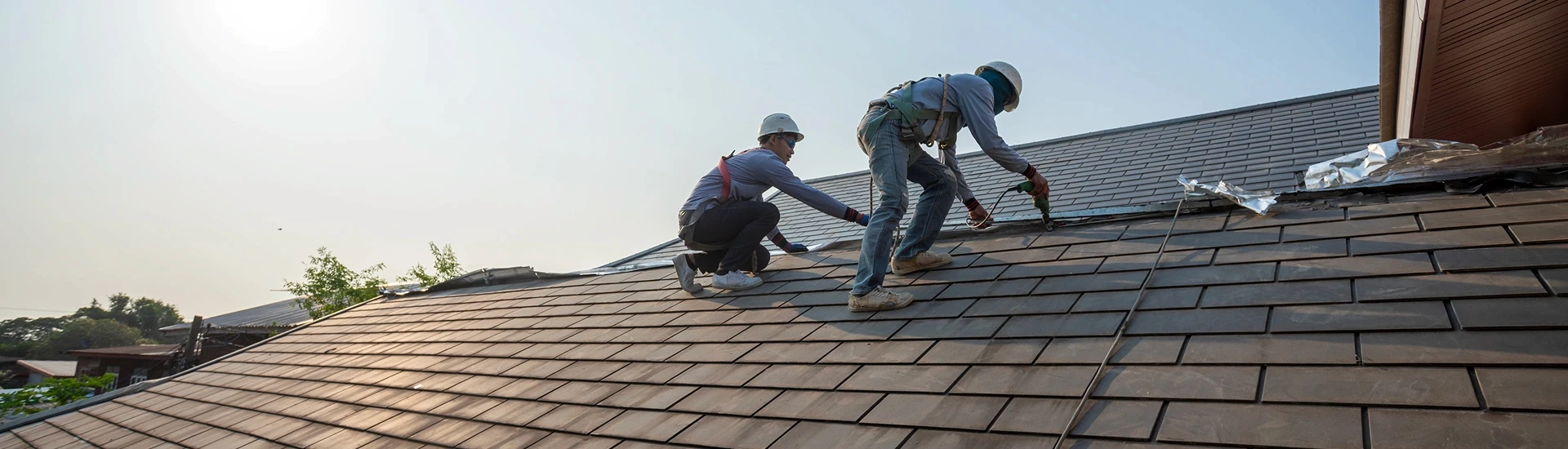
Roof Repair in Belton: How Flashing And Vents Cause Leaks
Roof Repair in Belton: How Flashing And Vents Cause Leaks
Roof Repair in Belton: How Flashing And Vents Cause Leaks
Roof Repair in Belton: How Flashing And Vents Cause Leaks
Roof Repair in Belton: How Flashing And Vents Cause Leaks
Roof Repair in Belton: How Flashing And Vents Cause Leaks
Roof Repair in Belton: How Flashing And Vents Cause Leaks
Roof Repair in Belton: How Flashing And Vents Cause Leaks
Roof Repair in Belton: How Flashing And Vents Cause Leaks
Roof Repair in Belton: How Flashing And Vents Cause Leaks



Request a Quote or Ask a Question
Request a Quote or Ask a Question
Request a Quote or Ask a Question
Request a Quote or Ask a Question
Request a Quote or Ask a Question
Request a Quote or Ask a Question
Request a Quote or Ask a Question
Request a Quote or Ask a Question
Request a Quote or Ask a Question
Seal failures show up in wind and cold. If you’ve ever noticed a drip that only happens during a gusty rain, or a ceiling stain that seems to appear right after a winter front, you’re seeing a pattern we deal with daily in Central Texas. Most homeowners assume a “roof leak” means missing shingles. In reality, a big share of calls for roof repair in Belton come down to two details: flashing and vents.
This guide breaks down how those parts work, why they fail, and how pros trace the true entry point without guesswork. You’ll also get a homeowner-friendly checklist for what to document, plus a real local scenario that shows why the leak spot inside is not always the leak spot on the roof.
Why Wind And Cold Expose Weak Roof Details
Belton sits in a weather zone where fronts can roll through fast, bringing shifting wind and quick temperature drops. Thunderstorms also commonly produce straight-line winds from outflow, which can be strong enough to damage structures and roofing components. When wind-driven rain hits the roof at an angle, it tests the places that rely on tight overlaps and seals, especially around metal edges and penetrations.
Cold snaps add another problem: materials tighten and stiffen. Rubber boots can lose flexibility. Sealants can shrink. Tiny gaps that stayed quiet in warm weather can open just enough to let water in. That’s why roof repair in Belton often spikes after winter fronts even when the roof looked “fine” a week earlier.
Quick comparison for perspective: in Huron, hailstorms can leave obvious bruising and granule loss that’s easy to spot. In parts of Ohio, sudden monsoon-style downpours can overwhelm drainage and expose weak valleys fast. Around Belton, the sneaky issues are often detailed failures that only show up when wind and cold work together.
What Flashing Does And Why It Fails
Flashing is the thin metal (and sometimes membrane) system that redirects water where shingles cannot. Think of it as the roof’s waterproof “traffic director.” You need it anywhere the roof surface is interrupted, including:
Roof-to-wall intersections
Chimneys and fireplace chases
Valleys (depending on system)
Dormers and sidewalls
Skylights and certain edge details
If flashing is missing, cut short, installed flat instead of stepped, or sealed incorrectly, water finds the path behind it.
Common flashing failure causes we see during roof repair in Belton visits:
Poor Step Flashing At Roof-To-Wall Lines
Step flashing should be layered with each shingle course, creating a shingle-like overlap in metal. When it’s replaced with one long piece or it’s not integrated correctly, water can run behind it during wind-driven rain.
Homeowner clue: stains near a corner room, behind a chimney chase, or on the top edge of a wall.
Incorrect Counterflashing Or Termination
Counterflashing (or a proper termination detail) is what protects the top edge of step flashing. If that top edge is exposed, wind can push rain behind the metal.
Homeowner clue: leaks that happen when rain comes from one direction.
Nail Holes And “Face-Fastened” Metal
Flashing should not rely on exposed fasteners in the water path. When it does, the fastener becomes the leak point over time.
Homeowner clue: a leak that returns even after “somebody caulked it.”
What Roof Vents Do And Why They Leak
Roof vents are necessary, but every vent is a hole in the roof that must be sealed correctly. The most common vent-related leak points include:
Vent Boots Around Plumbing Pipes
A vent boot is the rubber-and-metal collar around a plumbing pipe. Central Texas sun ages rubber fast. Then a winter front hits, the rubber stiffens, and small cracks can open.
Homeowner clue: leaks near bathrooms, laundry rooms, or hallways close to those areas.
Exhaust Fan Terminations
Bathroom fans and kitchen vents must exit properly. If the roof cap is damaged, loose, or poorly sealed, wind-driven rain can enter around the flange.
Homeowner clue: dampness after windy rain, often with no obvious shingle damage.
Ridge Vent And Intake Balance Problems
A ridge vent itself isn’t “bad,” but if baffles or end caps are incorrect, wind can push rain into the vent opening. Also, poor intake can cause strange pressure patterns that pull moist air where it shouldn’t go.
Homeowner clue: damp insulation near the ridge line.
These are classic roof repair in Belton issues because they’re not dramatic from the ground, but they create real interior damage.
Why The Leak Spot Inside Is Rarely The Entry Point
Here’s the part that trips people up: water travels.
It can enter at a vent boot, run along the underside of decking, hit a truss, and then drip down in a totally different room. That’s why a diagnostic approach matters more than “patching where it drips.”
When Big Boy Roofing handles roof repair in Belton, the goal is to map the path:
Where water likely entered (based on wind direction and roof layout)
Where it traveled (based on attic staining and framing lines)
Where it finally showed up (ceiling stain or drip)
That’s how you get a repair that holds up, instead of a recurring “mystery leak.”
A Local Belton Scenario That Shows How This Happens
A homeowner near Lake Belton called after a cold front brought a hard, gusty rain. A brown ring appeared in the hallway ceiling, but the hallway had no obvious roof penetrations above it.
In the attic, damp insulation showed up closer to a bathroom vent pipe. The vent boot had a hairline crack at the rubber collar. Wind-driven rain pushed water under the collar, then it traveled along the decking until it dropped at the hallway seam.
The fix wasn’t a full roof replacement. It was focused roof repair in Belton work:
Replace the vent boot and re-integrate surrounding shingles
Confirm the decking was sound
Photograph the failure point and document the repair scope
Provide a written estimate so the homeowner knew exactly what was being done and why
That’s the difference between guessing and diagnosing.
A Safe Homeowner Documentation Checklist
Safety first, always. No roof-walking instructions here. Your job is to document and protect the interior.
If you suspect you need roof repair in Belton, do this:
Take a wide photo of the ceiling stain or leak area
Take a close-up photo showing edges, bubbling, or active dripping
Note the date, time, and weather conditions
If you know it, note wind direction (north wind, west wind, etc.)
If it’s safe to look in the attic, photograph any wet insulation or dark staining from a stable position
That information helps a roofer pinpoint flashing or vent issues faster.
What A Diagnostic Roof Repair Assessment Looks Like
A proper roof repair in Belton assessment should feel organized, not rushed. In most cases, it includes:
Exterior Review Focused On Flashing And Penetrations
Roof-to-wall lines, corners, and step flashing
Chimney and chase terminations
Vent boots, caps, and exposed seal points
Valleys and high-volume water paths
Attic Evidence Review When Appropriate
Wet insulation patterns
Dark staining on decking
“Shiny” wet nail tips during active leaks
Travel lines along framing
Clear Options And A Written Scope
You should receive:
Photos of the problem area
A repair scope that states what will be replaced or resealed
A written estimate tied to that scope
If you want to book that service, take a look at our Roof Repair page.
Why Quick “Caulk Fixes” Often Fail
It’s tempting to seal everything. But uncontrolled caulk can:
Trap water where it should drain
Hide the real failure point
Crack and reopen under temperature swings
Create a bigger repair later when it’s time to do it correctly
In many flashing and vent cases, the right fix is not more sealant. It’s correct layering, proper fastening, and replacement of aged components. That’s what durable roof repair in Belton work looks like.
Weather Notes Without The Hype
Storm winds are a real factor in roof leaks. NOAA notes that damaging straight-line winds are common with thunderstorms and are linked to outflow from downdrafts. Even when a storm isn’t “historic,” gusts can lift shingle edges and push rain into flashing seams.
This matters because seal failures often show up in wind and cold, not during gentle rain.
When To Call For Repair Versus Monitor
Call for roof repair in Belton if you notice:
Active leaking or repeated stains
Leaks that only happen with wind-driven rain
Damp insulation near vents or roof-to-wall lines
Visible flashing gaps from the ground
A musty odor in the attic after storms
You may be able to monitor if:
The stain is old and completely dry
You have no new moisture signs after recent rains
A roofer confirms it’s not active and gives a maintenance plan
Either way, the smartest move is a documented assessment with a written scope.
Local Service And How To Reach Us
If you want directions or prefer to talk with someone locally, you can visit us in Belton, TX. And if you’re ready to schedule, Big Boy Roofing can walk you through roof repair in Belton options with photos and a written estimate. If seal failures are showing up in wind and cold, don’t wait for the next front to make the damage worse. Schedule roof repair in Belton with Big Boy Roofing and get a roof repair assessment and written estimate.
Schedule a roof repair assessment and written estimate.
Frequently Asked Questions
Why Do Vent Boots Fail So Often In Central Texas?
Heat and UV exposure age rubber faster, then cold fronts stiffen it. Small cracks can open and let wind-driven rain in. That’s a common reason homeowners need roof repair in Belton even when shingles look fine.
Can Flashing Leaks Look Like A Shingle Leak?
Yes. Water entering behind flashing can travel and drip far from the entry point. That’s why a diagnostic inspection is so important for roof repair in Belton.
Does A Ceiling Stain Always Mean An Active Leak?
Not always. Some stains are old. The key is whether there’s fresh dampness, expanding edges, or new dripping after rain. A professional can confirm and provide a repair scope.
What Should Be Included In A Repair Estimate?
A clear scope (what’s being repaired and how), photos of the cause, and the materials involved. For roof repair in Belton, that often means identifying the specific flashing run or vent component that failed.
If Insurance Comes Up, What Can You Help With?
We stick to documentation and repair scope. No coverage interpretation and no claim negotiation. The goal is clear roof repair in Belton options you can act on.
Seal failures show up in wind and cold. If you’ve ever noticed a drip that only happens during a gusty rain, or a ceiling stain that seems to appear right after a winter front, you’re seeing a pattern we deal with daily in Central Texas. Most homeowners assume a “roof leak” means missing shingles. In reality, a big share of calls for roof repair in Belton come down to two details: flashing and vents.
This guide breaks down how those parts work, why they fail, and how pros trace the true entry point without guesswork. You’ll also get a homeowner-friendly checklist for what to document, plus a real local scenario that shows why the leak spot inside is not always the leak spot on the roof.
Why Wind And Cold Expose Weak Roof Details
Belton sits in a weather zone where fronts can roll through fast, bringing shifting wind and quick temperature drops. Thunderstorms also commonly produce straight-line winds from outflow, which can be strong enough to damage structures and roofing components. When wind-driven rain hits the roof at an angle, it tests the places that rely on tight overlaps and seals, especially around metal edges and penetrations.
Cold snaps add another problem: materials tighten and stiffen. Rubber boots can lose flexibility. Sealants can shrink. Tiny gaps that stayed quiet in warm weather can open just enough to let water in. That’s why roof repair in Belton often spikes after winter fronts even when the roof looked “fine” a week earlier.
Quick comparison for perspective: in Huron, hailstorms can leave obvious bruising and granule loss that’s easy to spot. In parts of Ohio, sudden monsoon-style downpours can overwhelm drainage and expose weak valleys fast. Around Belton, the sneaky issues are often detailed failures that only show up when wind and cold work together.
What Flashing Does And Why It Fails
Flashing is the thin metal (and sometimes membrane) system that redirects water where shingles cannot. Think of it as the roof’s waterproof “traffic director.” You need it anywhere the roof surface is interrupted, including:
Roof-to-wall intersections
Chimneys and fireplace chases
Valleys (depending on system)
Dormers and sidewalls
Skylights and certain edge details
If flashing is missing, cut short, installed flat instead of stepped, or sealed incorrectly, water finds the path behind it.
Common flashing failure causes we see during roof repair in Belton visits:
Poor Step Flashing At Roof-To-Wall Lines
Step flashing should be layered with each shingle course, creating a shingle-like overlap in metal. When it’s replaced with one long piece or it’s not integrated correctly, water can run behind it during wind-driven rain.
Homeowner clue: stains near a corner room, behind a chimney chase, or on the top edge of a wall.
Incorrect Counterflashing Or Termination
Counterflashing (or a proper termination detail) is what protects the top edge of step flashing. If that top edge is exposed, wind can push rain behind the metal.
Homeowner clue: leaks that happen when rain comes from one direction.
Nail Holes And “Face-Fastened” Metal
Flashing should not rely on exposed fasteners in the water path. When it does, the fastener becomes the leak point over time.
Homeowner clue: a leak that returns even after “somebody caulked it.”
What Roof Vents Do And Why They Leak
Roof vents are necessary, but every vent is a hole in the roof that must be sealed correctly. The most common vent-related leak points include:
Vent Boots Around Plumbing Pipes
A vent boot is the rubber-and-metal collar around a plumbing pipe. Central Texas sun ages rubber fast. Then a winter front hits, the rubber stiffens, and small cracks can open.
Homeowner clue: leaks near bathrooms, laundry rooms, or hallways close to those areas.
Exhaust Fan Terminations
Bathroom fans and kitchen vents must exit properly. If the roof cap is damaged, loose, or poorly sealed, wind-driven rain can enter around the flange.
Homeowner clue: dampness after windy rain, often with no obvious shingle damage.
Ridge Vent And Intake Balance Problems
A ridge vent itself isn’t “bad,” but if baffles or end caps are incorrect, wind can push rain into the vent opening. Also, poor intake can cause strange pressure patterns that pull moist air where it shouldn’t go.
Homeowner clue: damp insulation near the ridge line.
These are classic roof repair in Belton issues because they’re not dramatic from the ground, but they create real interior damage.
Why The Leak Spot Inside Is Rarely The Entry Point
Here’s the part that trips people up: water travels.
It can enter at a vent boot, run along the underside of decking, hit a truss, and then drip down in a totally different room. That’s why a diagnostic approach matters more than “patching where it drips.”
When Big Boy Roofing handles roof repair in Belton, the goal is to map the path:
Where water likely entered (based on wind direction and roof layout)
Where it traveled (based on attic staining and framing lines)
Where it finally showed up (ceiling stain or drip)
That’s how you get a repair that holds up, instead of a recurring “mystery leak.”
A Local Belton Scenario That Shows How This Happens
A homeowner near Lake Belton called after a cold front brought a hard, gusty rain. A brown ring appeared in the hallway ceiling, but the hallway had no obvious roof penetrations above it.
In the attic, damp insulation showed up closer to a bathroom vent pipe. The vent boot had a hairline crack at the rubber collar. Wind-driven rain pushed water under the collar, then it traveled along the decking until it dropped at the hallway seam.
The fix wasn’t a full roof replacement. It was focused roof repair in Belton work:
Replace the vent boot and re-integrate surrounding shingles
Confirm the decking was sound
Photograph the failure point and document the repair scope
Provide a written estimate so the homeowner knew exactly what was being done and why
That’s the difference between guessing and diagnosing.
A Safe Homeowner Documentation Checklist
Safety first, always. No roof-walking instructions here. Your job is to document and protect the interior.
If you suspect you need roof repair in Belton, do this:
Take a wide photo of the ceiling stain or leak area
Take a close-up photo showing edges, bubbling, or active dripping
Note the date, time, and weather conditions
If you know it, note wind direction (north wind, west wind, etc.)
If it’s safe to look in the attic, photograph any wet insulation or dark staining from a stable position
That information helps a roofer pinpoint flashing or vent issues faster.
What A Diagnostic Roof Repair Assessment Looks Like
A proper roof repair in Belton assessment should feel organized, not rushed. In most cases, it includes:
Exterior Review Focused On Flashing And Penetrations
Roof-to-wall lines, corners, and step flashing
Chimney and chase terminations
Vent boots, caps, and exposed seal points
Valleys and high-volume water paths
Attic Evidence Review When Appropriate
Wet insulation patterns
Dark staining on decking
“Shiny” wet nail tips during active leaks
Travel lines along framing
Clear Options And A Written Scope
You should receive:
Photos of the problem area
A repair scope that states what will be replaced or resealed
A written estimate tied to that scope
If you want to book that service, take a look at our Roof Repair page.
Why Quick “Caulk Fixes” Often Fail
It’s tempting to seal everything. But uncontrolled caulk can:
Trap water where it should drain
Hide the real failure point
Crack and reopen under temperature swings
Create a bigger repair later when it’s time to do it correctly
In many flashing and vent cases, the right fix is not more sealant. It’s correct layering, proper fastening, and replacement of aged components. That’s what durable roof repair in Belton work looks like.
Weather Notes Without The Hype
Storm winds are a real factor in roof leaks. NOAA notes that damaging straight-line winds are common with thunderstorms and are linked to outflow from downdrafts. Even when a storm isn’t “historic,” gusts can lift shingle edges and push rain into flashing seams.
This matters because seal failures often show up in wind and cold, not during gentle rain.
When To Call For Repair Versus Monitor
Call for roof repair in Belton if you notice:
Active leaking or repeated stains
Leaks that only happen with wind-driven rain
Damp insulation near vents or roof-to-wall lines
Visible flashing gaps from the ground
A musty odor in the attic after storms
You may be able to monitor if:
The stain is old and completely dry
You have no new moisture signs after recent rains
A roofer confirms it’s not active and gives a maintenance plan
Either way, the smartest move is a documented assessment with a written scope.
Local Service And How To Reach Us
If you want directions or prefer to talk with someone locally, you can visit us in Belton, TX. And if you’re ready to schedule, Big Boy Roofing can walk you through roof repair in Belton options with photos and a written estimate. If seal failures are showing up in wind and cold, don’t wait for the next front to make the damage worse. Schedule roof repair in Belton with Big Boy Roofing and get a roof repair assessment and written estimate.
Schedule a roof repair assessment and written estimate.
Frequently Asked Questions
Why Do Vent Boots Fail So Often In Central Texas?
Heat and UV exposure age rubber faster, then cold fronts stiffen it. Small cracks can open and let wind-driven rain in. That’s a common reason homeowners need roof repair in Belton even when shingles look fine.
Can Flashing Leaks Look Like A Shingle Leak?
Yes. Water entering behind flashing can travel and drip far from the entry point. That’s why a diagnostic inspection is so important for roof repair in Belton.
Does A Ceiling Stain Always Mean An Active Leak?
Not always. Some stains are old. The key is whether there’s fresh dampness, expanding edges, or new dripping after rain. A professional can confirm and provide a repair scope.
What Should Be Included In A Repair Estimate?
A clear scope (what’s being repaired and how), photos of the cause, and the materials involved. For roof repair in Belton, that often means identifying the specific flashing run or vent component that failed.
If Insurance Comes Up, What Can You Help With?
We stick to documentation and repair scope. No coverage interpretation and no claim negotiation. The goal is clear roof repair in Belton options you can act on.
Seal failures show up in wind and cold. If you’ve ever noticed a drip that only happens during a gusty rain, or a ceiling stain that seems to appear right after a winter front, you’re seeing a pattern we deal with daily in Central Texas. Most homeowners assume a “roof leak” means missing shingles. In reality, a big share of calls for roof repair in Belton come down to two details: flashing and vents.
This guide breaks down how those parts work, why they fail, and how pros trace the true entry point without guesswork. You’ll also get a homeowner-friendly checklist for what to document, plus a real local scenario that shows why the leak spot inside is not always the leak spot on the roof.
Why Wind And Cold Expose Weak Roof Details
Belton sits in a weather zone where fronts can roll through fast, bringing shifting wind and quick temperature drops. Thunderstorms also commonly produce straight-line winds from outflow, which can be strong enough to damage structures and roofing components. When wind-driven rain hits the roof at an angle, it tests the places that rely on tight overlaps and seals, especially around metal edges and penetrations.
Cold snaps add another problem: materials tighten and stiffen. Rubber boots can lose flexibility. Sealants can shrink. Tiny gaps that stayed quiet in warm weather can open just enough to let water in. That’s why roof repair in Belton often spikes after winter fronts even when the roof looked “fine” a week earlier.
Quick comparison for perspective: in Huron, hailstorms can leave obvious bruising and granule loss that’s easy to spot. In parts of Ohio, sudden monsoon-style downpours can overwhelm drainage and expose weak valleys fast. Around Belton, the sneaky issues are often detailed failures that only show up when wind and cold work together.
What Flashing Does And Why It Fails
Flashing is the thin metal (and sometimes membrane) system that redirects water where shingles cannot. Think of it as the roof’s waterproof “traffic director.” You need it anywhere the roof surface is interrupted, including:
Roof-to-wall intersections
Chimneys and fireplace chases
Valleys (depending on system)
Dormers and sidewalls
Skylights and certain edge details
If flashing is missing, cut short, installed flat instead of stepped, or sealed incorrectly, water finds the path behind it.
Common flashing failure causes we see during roof repair in Belton visits:
Poor Step Flashing At Roof-To-Wall Lines
Step flashing should be layered with each shingle course, creating a shingle-like overlap in metal. When it’s replaced with one long piece or it’s not integrated correctly, water can run behind it during wind-driven rain.
Homeowner clue: stains near a corner room, behind a chimney chase, or on the top edge of a wall.
Incorrect Counterflashing Or Termination
Counterflashing (or a proper termination detail) is what protects the top edge of step flashing. If that top edge is exposed, wind can push rain behind the metal.
Homeowner clue: leaks that happen when rain comes from one direction.
Nail Holes And “Face-Fastened” Metal
Flashing should not rely on exposed fasteners in the water path. When it does, the fastener becomes the leak point over time.
Homeowner clue: a leak that returns even after “somebody caulked it.”
What Roof Vents Do And Why They Leak
Roof vents are necessary, but every vent is a hole in the roof that must be sealed correctly. The most common vent-related leak points include:
Vent Boots Around Plumbing Pipes
A vent boot is the rubber-and-metal collar around a plumbing pipe. Central Texas sun ages rubber fast. Then a winter front hits, the rubber stiffens, and small cracks can open.
Homeowner clue: leaks near bathrooms, laundry rooms, or hallways close to those areas.
Exhaust Fan Terminations
Bathroom fans and kitchen vents must exit properly. If the roof cap is damaged, loose, or poorly sealed, wind-driven rain can enter around the flange.
Homeowner clue: dampness after windy rain, often with no obvious shingle damage.
Ridge Vent And Intake Balance Problems
A ridge vent itself isn’t “bad,” but if baffles or end caps are incorrect, wind can push rain into the vent opening. Also, poor intake can cause strange pressure patterns that pull moist air where it shouldn’t go.
Homeowner clue: damp insulation near the ridge line.
These are classic roof repair in Belton issues because they’re not dramatic from the ground, but they create real interior damage.
Why The Leak Spot Inside Is Rarely The Entry Point
Here’s the part that trips people up: water travels.
It can enter at a vent boot, run along the underside of decking, hit a truss, and then drip down in a totally different room. That’s why a diagnostic approach matters more than “patching where it drips.”
When Big Boy Roofing handles roof repair in Belton, the goal is to map the path:
Where water likely entered (based on wind direction and roof layout)
Where it traveled (based on attic staining and framing lines)
Where it finally showed up (ceiling stain or drip)
That’s how you get a repair that holds up, instead of a recurring “mystery leak.”
A Local Belton Scenario That Shows How This Happens
A homeowner near Lake Belton called after a cold front brought a hard, gusty rain. A brown ring appeared in the hallway ceiling, but the hallway had no obvious roof penetrations above it.
In the attic, damp insulation showed up closer to a bathroom vent pipe. The vent boot had a hairline crack at the rubber collar. Wind-driven rain pushed water under the collar, then it traveled along the decking until it dropped at the hallway seam.
The fix wasn’t a full roof replacement. It was focused roof repair in Belton work:
Replace the vent boot and re-integrate surrounding shingles
Confirm the decking was sound
Photograph the failure point and document the repair scope
Provide a written estimate so the homeowner knew exactly what was being done and why
That’s the difference between guessing and diagnosing.
A Safe Homeowner Documentation Checklist
Safety first, always. No roof-walking instructions here. Your job is to document and protect the interior.
If you suspect you need roof repair in Belton, do this:
Take a wide photo of the ceiling stain or leak area
Take a close-up photo showing edges, bubbling, or active dripping
Note the date, time, and weather conditions
If you know it, note wind direction (north wind, west wind, etc.)
If it’s safe to look in the attic, photograph any wet insulation or dark staining from a stable position
That information helps a roofer pinpoint flashing or vent issues faster.
What A Diagnostic Roof Repair Assessment Looks Like
A proper roof repair in Belton assessment should feel organized, not rushed. In most cases, it includes:
Exterior Review Focused On Flashing And Penetrations
Roof-to-wall lines, corners, and step flashing
Chimney and chase terminations
Vent boots, caps, and exposed seal points
Valleys and high-volume water paths
Attic Evidence Review When Appropriate
Wet insulation patterns
Dark staining on decking
“Shiny” wet nail tips during active leaks
Travel lines along framing
Clear Options And A Written Scope
You should receive:
Photos of the problem area
A repair scope that states what will be replaced or resealed
A written estimate tied to that scope
If you want to book that service, take a look at our Roof Repair page.
Why Quick “Caulk Fixes” Often Fail
It’s tempting to seal everything. But uncontrolled caulk can:
Trap water where it should drain
Hide the real failure point
Crack and reopen under temperature swings
Create a bigger repair later when it’s time to do it correctly
In many flashing and vent cases, the right fix is not more sealant. It’s correct layering, proper fastening, and replacement of aged components. That’s what durable roof repair in Belton work looks like.
Weather Notes Without The Hype
Storm winds are a real factor in roof leaks. NOAA notes that damaging straight-line winds are common with thunderstorms and are linked to outflow from downdrafts. Even when a storm isn’t “historic,” gusts can lift shingle edges and push rain into flashing seams.
This matters because seal failures often show up in wind and cold, not during gentle rain.
When To Call For Repair Versus Monitor
Call for roof repair in Belton if you notice:
Active leaking or repeated stains
Leaks that only happen with wind-driven rain
Damp insulation near vents or roof-to-wall lines
Visible flashing gaps from the ground
A musty odor in the attic after storms
You may be able to monitor if:
The stain is old and completely dry
You have no new moisture signs after recent rains
A roofer confirms it’s not active and gives a maintenance plan
Either way, the smartest move is a documented assessment with a written scope.
Local Service And How To Reach Us
If you want directions or prefer to talk with someone locally, you can visit us in Belton, TX. And if you’re ready to schedule, Big Boy Roofing can walk you through roof repair in Belton options with photos and a written estimate. If seal failures are showing up in wind and cold, don’t wait for the next front to make the damage worse. Schedule roof repair in Belton with Big Boy Roofing and get a roof repair assessment and written estimate.
Schedule a roof repair assessment and written estimate.
Frequently Asked Questions
Why Do Vent Boots Fail So Often In Central Texas?
Heat and UV exposure age rubber faster, then cold fronts stiffen it. Small cracks can open and let wind-driven rain in. That’s a common reason homeowners need roof repair in Belton even when shingles look fine.
Can Flashing Leaks Look Like A Shingle Leak?
Yes. Water entering behind flashing can travel and drip far from the entry point. That’s why a diagnostic inspection is so important for roof repair in Belton.
Does A Ceiling Stain Always Mean An Active Leak?
Not always. Some stains are old. The key is whether there’s fresh dampness, expanding edges, or new dripping after rain. A professional can confirm and provide a repair scope.
What Should Be Included In A Repair Estimate?
A clear scope (what’s being repaired and how), photos of the cause, and the materials involved. For roof repair in Belton, that often means identifying the specific flashing run or vent component that failed.
If Insurance Comes Up, What Can You Help With?
We stick to documentation and repair scope. No coverage interpretation and no claim negotiation. The goal is clear roof repair in Belton options you can act on.
Seal failures show up in wind and cold. If you’ve ever noticed a drip that only happens during a gusty rain, or a ceiling stain that seems to appear right after a winter front, you’re seeing a pattern we deal with daily in Central Texas. Most homeowners assume a “roof leak” means missing shingles. In reality, a big share of calls for roof repair in Belton come down to two details: flashing and vents.
This guide breaks down how those parts work, why they fail, and how pros trace the true entry point without guesswork. You’ll also get a homeowner-friendly checklist for what to document, plus a real local scenario that shows why the leak spot inside is not always the leak spot on the roof.
Why Wind And Cold Expose Weak Roof Details
Belton sits in a weather zone where fronts can roll through fast, bringing shifting wind and quick temperature drops. Thunderstorms also commonly produce straight-line winds from outflow, which can be strong enough to damage structures and roofing components. When wind-driven rain hits the roof at an angle, it tests the places that rely on tight overlaps and seals, especially around metal edges and penetrations.
Cold snaps add another problem: materials tighten and stiffen. Rubber boots can lose flexibility. Sealants can shrink. Tiny gaps that stayed quiet in warm weather can open just enough to let water in. That’s why roof repair in Belton often spikes after winter fronts even when the roof looked “fine” a week earlier.
Quick comparison for perspective: in Huron, hailstorms can leave obvious bruising and granule loss that’s easy to spot. In parts of Ohio, sudden monsoon-style downpours can overwhelm drainage and expose weak valleys fast. Around Belton, the sneaky issues are often detailed failures that only show up when wind and cold work together.
What Flashing Does And Why It Fails
Flashing is the thin metal (and sometimes membrane) system that redirects water where shingles cannot. Think of it as the roof’s waterproof “traffic director.” You need it anywhere the roof surface is interrupted, including:
Roof-to-wall intersections
Chimneys and fireplace chases
Valleys (depending on system)
Dormers and sidewalls
Skylights and certain edge details
If flashing is missing, cut short, installed flat instead of stepped, or sealed incorrectly, water finds the path behind it.
Common flashing failure causes we see during roof repair in Belton visits:
Poor Step Flashing At Roof-To-Wall Lines
Step flashing should be layered with each shingle course, creating a shingle-like overlap in metal. When it’s replaced with one long piece or it’s not integrated correctly, water can run behind it during wind-driven rain.
Homeowner clue: stains near a corner room, behind a chimney chase, or on the top edge of a wall.
Incorrect Counterflashing Or Termination
Counterflashing (or a proper termination detail) is what protects the top edge of step flashing. If that top edge is exposed, wind can push rain behind the metal.
Homeowner clue: leaks that happen when rain comes from one direction.
Nail Holes And “Face-Fastened” Metal
Flashing should not rely on exposed fasteners in the water path. When it does, the fastener becomes the leak point over time.
Homeowner clue: a leak that returns even after “somebody caulked it.”
What Roof Vents Do And Why They Leak
Roof vents are necessary, but every vent is a hole in the roof that must be sealed correctly. The most common vent-related leak points include:
Vent Boots Around Plumbing Pipes
A vent boot is the rubber-and-metal collar around a plumbing pipe. Central Texas sun ages rubber fast. Then a winter front hits, the rubber stiffens, and small cracks can open.
Homeowner clue: leaks near bathrooms, laundry rooms, or hallways close to those areas.
Exhaust Fan Terminations
Bathroom fans and kitchen vents must exit properly. If the roof cap is damaged, loose, or poorly sealed, wind-driven rain can enter around the flange.
Homeowner clue: dampness after windy rain, often with no obvious shingle damage.
Ridge Vent And Intake Balance Problems
A ridge vent itself isn’t “bad,” but if baffles or end caps are incorrect, wind can push rain into the vent opening. Also, poor intake can cause strange pressure patterns that pull moist air where it shouldn’t go.
Homeowner clue: damp insulation near the ridge line.
These are classic roof repair in Belton issues because they’re not dramatic from the ground, but they create real interior damage.
Why The Leak Spot Inside Is Rarely The Entry Point
Here’s the part that trips people up: water travels.
It can enter at a vent boot, run along the underside of decking, hit a truss, and then drip down in a totally different room. That’s why a diagnostic approach matters more than “patching where it drips.”
When Big Boy Roofing handles roof repair in Belton, the goal is to map the path:
Where water likely entered (based on wind direction and roof layout)
Where it traveled (based on attic staining and framing lines)
Where it finally showed up (ceiling stain or drip)
That’s how you get a repair that holds up, instead of a recurring “mystery leak.”
A Local Belton Scenario That Shows How This Happens
A homeowner near Lake Belton called after a cold front brought a hard, gusty rain. A brown ring appeared in the hallway ceiling, but the hallway had no obvious roof penetrations above it.
In the attic, damp insulation showed up closer to a bathroom vent pipe. The vent boot had a hairline crack at the rubber collar. Wind-driven rain pushed water under the collar, then it traveled along the decking until it dropped at the hallway seam.
The fix wasn’t a full roof replacement. It was focused roof repair in Belton work:
Replace the vent boot and re-integrate surrounding shingles
Confirm the decking was sound
Photograph the failure point and document the repair scope
Provide a written estimate so the homeowner knew exactly what was being done and why
That’s the difference between guessing and diagnosing.
A Safe Homeowner Documentation Checklist
Safety first, always. No roof-walking instructions here. Your job is to document and protect the interior.
If you suspect you need roof repair in Belton, do this:
Take a wide photo of the ceiling stain or leak area
Take a close-up photo showing edges, bubbling, or active dripping
Note the date, time, and weather conditions
If you know it, note wind direction (north wind, west wind, etc.)
If it’s safe to look in the attic, photograph any wet insulation or dark staining from a stable position
That information helps a roofer pinpoint flashing or vent issues faster.
What A Diagnostic Roof Repair Assessment Looks Like
A proper roof repair in Belton assessment should feel organized, not rushed. In most cases, it includes:
Exterior Review Focused On Flashing And Penetrations
Roof-to-wall lines, corners, and step flashing
Chimney and chase terminations
Vent boots, caps, and exposed seal points
Valleys and high-volume water paths
Attic Evidence Review When Appropriate
Wet insulation patterns
Dark staining on decking
“Shiny” wet nail tips during active leaks
Travel lines along framing
Clear Options And A Written Scope
You should receive:
Photos of the problem area
A repair scope that states what will be replaced or resealed
A written estimate tied to that scope
If you want to book that service, take a look at our Roof Repair page.
Why Quick “Caulk Fixes” Often Fail
It’s tempting to seal everything. But uncontrolled caulk can:
Trap water where it should drain
Hide the real failure point
Crack and reopen under temperature swings
Create a bigger repair later when it’s time to do it correctly
In many flashing and vent cases, the right fix is not more sealant. It’s correct layering, proper fastening, and replacement of aged components. That’s what durable roof repair in Belton work looks like.
Weather Notes Without The Hype
Storm winds are a real factor in roof leaks. NOAA notes that damaging straight-line winds are common with thunderstorms and are linked to outflow from downdrafts. Even when a storm isn’t “historic,” gusts can lift shingle edges and push rain into flashing seams.
This matters because seal failures often show up in wind and cold, not during gentle rain.
When To Call For Repair Versus Monitor
Call for roof repair in Belton if you notice:
Active leaking or repeated stains
Leaks that only happen with wind-driven rain
Damp insulation near vents or roof-to-wall lines
Visible flashing gaps from the ground
A musty odor in the attic after storms
You may be able to monitor if:
The stain is old and completely dry
You have no new moisture signs after recent rains
A roofer confirms it’s not active and gives a maintenance plan
Either way, the smartest move is a documented assessment with a written scope.
Local Service And How To Reach Us
If you want directions or prefer to talk with someone locally, you can visit us in Belton, TX. And if you’re ready to schedule, Big Boy Roofing can walk you through roof repair in Belton options with photos and a written estimate. If seal failures are showing up in wind and cold, don’t wait for the next front to make the damage worse. Schedule roof repair in Belton with Big Boy Roofing and get a roof repair assessment and written estimate.
Schedule a roof repair assessment and written estimate.
Frequently Asked Questions
Why Do Vent Boots Fail So Often In Central Texas?
Heat and UV exposure age rubber faster, then cold fronts stiffen it. Small cracks can open and let wind-driven rain in. That’s a common reason homeowners need roof repair in Belton even when shingles look fine.
Can Flashing Leaks Look Like A Shingle Leak?
Yes. Water entering behind flashing can travel and drip far from the entry point. That’s why a diagnostic inspection is so important for roof repair in Belton.
Does A Ceiling Stain Always Mean An Active Leak?
Not always. Some stains are old. The key is whether there’s fresh dampness, expanding edges, or new dripping after rain. A professional can confirm and provide a repair scope.
What Should Be Included In A Repair Estimate?
A clear scope (what’s being repaired and how), photos of the cause, and the materials involved. For roof repair in Belton, that often means identifying the specific flashing run or vent component that failed.
If Insurance Comes Up, What Can You Help With?
We stick to documentation and repair scope. No coverage interpretation and no claim negotiation. The goal is clear roof repair in Belton options you can act on.
Seal failures show up in wind and cold. If you’ve ever noticed a drip that only happens during a gusty rain, or a ceiling stain that seems to appear right after a winter front, you’re seeing a pattern we deal with daily in Central Texas. Most homeowners assume a “roof leak” means missing shingles. In reality, a big share of calls for roof repair in Belton come down to two details: flashing and vents.
This guide breaks down how those parts work, why they fail, and how pros trace the true entry point without guesswork. You’ll also get a homeowner-friendly checklist for what to document, plus a real local scenario that shows why the leak spot inside is not always the leak spot on the roof.
Why Wind And Cold Expose Weak Roof Details
Belton sits in a weather zone where fronts can roll through fast, bringing shifting wind and quick temperature drops. Thunderstorms also commonly produce straight-line winds from outflow, which can be strong enough to damage structures and roofing components. When wind-driven rain hits the roof at an angle, it tests the places that rely on tight overlaps and seals, especially around metal edges and penetrations.
Cold snaps add another problem: materials tighten and stiffen. Rubber boots can lose flexibility. Sealants can shrink. Tiny gaps that stayed quiet in warm weather can open just enough to let water in. That’s why roof repair in Belton often spikes after winter fronts even when the roof looked “fine” a week earlier.
Quick comparison for perspective: in Huron, hailstorms can leave obvious bruising and granule loss that’s easy to spot. In parts of Ohio, sudden monsoon-style downpours can overwhelm drainage and expose weak valleys fast. Around Belton, the sneaky issues are often detailed failures that only show up when wind and cold work together.
What Flashing Does And Why It Fails
Flashing is the thin metal (and sometimes membrane) system that redirects water where shingles cannot. Think of it as the roof’s waterproof “traffic director.” You need it anywhere the roof surface is interrupted, including:
Roof-to-wall intersections
Chimneys and fireplace chases
Valleys (depending on system)
Dormers and sidewalls
Skylights and certain edge details
If flashing is missing, cut short, installed flat instead of stepped, or sealed incorrectly, water finds the path behind it.
Common flashing failure causes we see during roof repair in Belton visits:
Poor Step Flashing At Roof-To-Wall Lines
Step flashing should be layered with each shingle course, creating a shingle-like overlap in metal. When it’s replaced with one long piece or it’s not integrated correctly, water can run behind it during wind-driven rain.
Homeowner clue: stains near a corner room, behind a chimney chase, or on the top edge of a wall.
Incorrect Counterflashing Or Termination
Counterflashing (or a proper termination detail) is what protects the top edge of step flashing. If that top edge is exposed, wind can push rain behind the metal.
Homeowner clue: leaks that happen when rain comes from one direction.
Nail Holes And “Face-Fastened” Metal
Flashing should not rely on exposed fasteners in the water path. When it does, the fastener becomes the leak point over time.
Homeowner clue: a leak that returns even after “somebody caulked it.”
What Roof Vents Do And Why They Leak
Roof vents are necessary, but every vent is a hole in the roof that must be sealed correctly. The most common vent-related leak points include:
Vent Boots Around Plumbing Pipes
A vent boot is the rubber-and-metal collar around a plumbing pipe. Central Texas sun ages rubber fast. Then a winter front hits, the rubber stiffens, and small cracks can open.
Homeowner clue: leaks near bathrooms, laundry rooms, or hallways close to those areas.
Exhaust Fan Terminations
Bathroom fans and kitchen vents must exit properly. If the roof cap is damaged, loose, or poorly sealed, wind-driven rain can enter around the flange.
Homeowner clue: dampness after windy rain, often with no obvious shingle damage.
Ridge Vent And Intake Balance Problems
A ridge vent itself isn’t “bad,” but if baffles or end caps are incorrect, wind can push rain into the vent opening. Also, poor intake can cause strange pressure patterns that pull moist air where it shouldn’t go.
Homeowner clue: damp insulation near the ridge line.
These are classic roof repair in Belton issues because they’re not dramatic from the ground, but they create real interior damage.
Why The Leak Spot Inside Is Rarely The Entry Point
Here’s the part that trips people up: water travels.
It can enter at a vent boot, run along the underside of decking, hit a truss, and then drip down in a totally different room. That’s why a diagnostic approach matters more than “patching where it drips.”
When Big Boy Roofing handles roof repair in Belton, the goal is to map the path:
Where water likely entered (based on wind direction and roof layout)
Where it traveled (based on attic staining and framing lines)
Where it finally showed up (ceiling stain or drip)
That’s how you get a repair that holds up, instead of a recurring “mystery leak.”
A Local Belton Scenario That Shows How This Happens
A homeowner near Lake Belton called after a cold front brought a hard, gusty rain. A brown ring appeared in the hallway ceiling, but the hallway had no obvious roof penetrations above it.
In the attic, damp insulation showed up closer to a bathroom vent pipe. The vent boot had a hairline crack at the rubber collar. Wind-driven rain pushed water under the collar, then it traveled along the decking until it dropped at the hallway seam.
The fix wasn’t a full roof replacement. It was focused roof repair in Belton work:
Replace the vent boot and re-integrate surrounding shingles
Confirm the decking was sound
Photograph the failure point and document the repair scope
Provide a written estimate so the homeowner knew exactly what was being done and why
That’s the difference between guessing and diagnosing.
A Safe Homeowner Documentation Checklist
Safety first, always. No roof-walking instructions here. Your job is to document and protect the interior.
If you suspect you need roof repair in Belton, do this:
Take a wide photo of the ceiling stain or leak area
Take a close-up photo showing edges, bubbling, or active dripping
Note the date, time, and weather conditions
If you know it, note wind direction (north wind, west wind, etc.)
If it’s safe to look in the attic, photograph any wet insulation or dark staining from a stable position
That information helps a roofer pinpoint flashing or vent issues faster.
What A Diagnostic Roof Repair Assessment Looks Like
A proper roof repair in Belton assessment should feel organized, not rushed. In most cases, it includes:
Exterior Review Focused On Flashing And Penetrations
Roof-to-wall lines, corners, and step flashing
Chimney and chase terminations
Vent boots, caps, and exposed seal points
Valleys and high-volume water paths
Attic Evidence Review When Appropriate
Wet insulation patterns
Dark staining on decking
“Shiny” wet nail tips during active leaks
Travel lines along framing
Clear Options And A Written Scope
You should receive:
Photos of the problem area
A repair scope that states what will be replaced or resealed
A written estimate tied to that scope
If you want to book that service, take a look at our Roof Repair page.
Why Quick “Caulk Fixes” Often Fail
It’s tempting to seal everything. But uncontrolled caulk can:
Trap water where it should drain
Hide the real failure point
Crack and reopen under temperature swings
Create a bigger repair later when it’s time to do it correctly
In many flashing and vent cases, the right fix is not more sealant. It’s correct layering, proper fastening, and replacement of aged components. That’s what durable roof repair in Belton work looks like.
Weather Notes Without The Hype
Storm winds are a real factor in roof leaks. NOAA notes that damaging straight-line winds are common with thunderstorms and are linked to outflow from downdrafts. Even when a storm isn’t “historic,” gusts can lift shingle edges and push rain into flashing seams.
This matters because seal failures often show up in wind and cold, not during gentle rain.
When To Call For Repair Versus Monitor
Call for roof repair in Belton if you notice:
Active leaking or repeated stains
Leaks that only happen with wind-driven rain
Damp insulation near vents or roof-to-wall lines
Visible flashing gaps from the ground
A musty odor in the attic after storms
You may be able to monitor if:
The stain is old and completely dry
You have no new moisture signs after recent rains
A roofer confirms it’s not active and gives a maintenance plan
Either way, the smartest move is a documented assessment with a written scope.
Local Service And How To Reach Us
If you want directions or prefer to talk with someone locally, you can visit us in Belton, TX. And if you’re ready to schedule, Big Boy Roofing can walk you through roof repair in Belton options with photos and a written estimate. If seal failures are showing up in wind and cold, don’t wait for the next front to make the damage worse. Schedule roof repair in Belton with Big Boy Roofing and get a roof repair assessment and written estimate.
Schedule a roof repair assessment and written estimate.
Frequently Asked Questions
Why Do Vent Boots Fail So Often In Central Texas?
Heat and UV exposure age rubber faster, then cold fronts stiffen it. Small cracks can open and let wind-driven rain in. That’s a common reason homeowners need roof repair in Belton even when shingles look fine.
Can Flashing Leaks Look Like A Shingle Leak?
Yes. Water entering behind flashing can travel and drip far from the entry point. That’s why a diagnostic inspection is so important for roof repair in Belton.
Does A Ceiling Stain Always Mean An Active Leak?
Not always. Some stains are old. The key is whether there’s fresh dampness, expanding edges, or new dripping after rain. A professional can confirm and provide a repair scope.
What Should Be Included In A Repair Estimate?
A clear scope (what’s being repaired and how), photos of the cause, and the materials involved. For roof repair in Belton, that often means identifying the specific flashing run or vent component that failed.
If Insurance Comes Up, What Can You Help With?
We stick to documentation and repair scope. No coverage interpretation and no claim negotiation. The goal is clear roof repair in Belton options you can act on.
Seal failures show up in wind and cold. If you’ve ever noticed a drip that only happens during a gusty rain, or a ceiling stain that seems to appear right after a winter front, you’re seeing a pattern we deal with daily in Central Texas. Most homeowners assume a “roof leak” means missing shingles. In reality, a big share of calls for roof repair in Belton come down to two details: flashing and vents.
This guide breaks down how those parts work, why they fail, and how pros trace the true entry point without guesswork. You’ll also get a homeowner-friendly checklist for what to document, plus a real local scenario that shows why the leak spot inside is not always the leak spot on the roof.
Why Wind And Cold Expose Weak Roof Details
Belton sits in a weather zone where fronts can roll through fast, bringing shifting wind and quick temperature drops. Thunderstorms also commonly produce straight-line winds from outflow, which can be strong enough to damage structures and roofing components. When wind-driven rain hits the roof at an angle, it tests the places that rely on tight overlaps and seals, especially around metal edges and penetrations.
Cold snaps add another problem: materials tighten and stiffen. Rubber boots can lose flexibility. Sealants can shrink. Tiny gaps that stayed quiet in warm weather can open just enough to let water in. That’s why roof repair in Belton often spikes after winter fronts even when the roof looked “fine” a week earlier.
Quick comparison for perspective: in Huron, hailstorms can leave obvious bruising and granule loss that’s easy to spot. In parts of Ohio, sudden monsoon-style downpours can overwhelm drainage and expose weak valleys fast. Around Belton, the sneaky issues are often detailed failures that only show up when wind and cold work together.
What Flashing Does And Why It Fails
Flashing is the thin metal (and sometimes membrane) system that redirects water where shingles cannot. Think of it as the roof’s waterproof “traffic director.” You need it anywhere the roof surface is interrupted, including:
Roof-to-wall intersections
Chimneys and fireplace chases
Valleys (depending on system)
Dormers and sidewalls
Skylights and certain edge details
If flashing is missing, cut short, installed flat instead of stepped, or sealed incorrectly, water finds the path behind it.
Common flashing failure causes we see during roof repair in Belton visits:
Poor Step Flashing At Roof-To-Wall Lines
Step flashing should be layered with each shingle course, creating a shingle-like overlap in metal. When it’s replaced with one long piece or it’s not integrated correctly, water can run behind it during wind-driven rain.
Homeowner clue: stains near a corner room, behind a chimney chase, or on the top edge of a wall.
Incorrect Counterflashing Or Termination
Counterflashing (or a proper termination detail) is what protects the top edge of step flashing. If that top edge is exposed, wind can push rain behind the metal.
Homeowner clue: leaks that happen when rain comes from one direction.
Nail Holes And “Face-Fastened” Metal
Flashing should not rely on exposed fasteners in the water path. When it does, the fastener becomes the leak point over time.
Homeowner clue: a leak that returns even after “somebody caulked it.”
What Roof Vents Do And Why They Leak
Roof vents are necessary, but every vent is a hole in the roof that must be sealed correctly. The most common vent-related leak points include:
Vent Boots Around Plumbing Pipes
A vent boot is the rubber-and-metal collar around a plumbing pipe. Central Texas sun ages rubber fast. Then a winter front hits, the rubber stiffens, and small cracks can open.
Homeowner clue: leaks near bathrooms, laundry rooms, or hallways close to those areas.
Exhaust Fan Terminations
Bathroom fans and kitchen vents must exit properly. If the roof cap is damaged, loose, or poorly sealed, wind-driven rain can enter around the flange.
Homeowner clue: dampness after windy rain, often with no obvious shingle damage.
Ridge Vent And Intake Balance Problems
A ridge vent itself isn’t “bad,” but if baffles or end caps are incorrect, wind can push rain into the vent opening. Also, poor intake can cause strange pressure patterns that pull moist air where it shouldn’t go.
Homeowner clue: damp insulation near the ridge line.
These are classic roof repair in Belton issues because they’re not dramatic from the ground, but they create real interior damage.
Why The Leak Spot Inside Is Rarely The Entry Point
Here’s the part that trips people up: water travels.
It can enter at a vent boot, run along the underside of decking, hit a truss, and then drip down in a totally different room. That’s why a diagnostic approach matters more than “patching where it drips.”
When Big Boy Roofing handles roof repair in Belton, the goal is to map the path:
Where water likely entered (based on wind direction and roof layout)
Where it traveled (based on attic staining and framing lines)
Where it finally showed up (ceiling stain or drip)
That’s how you get a repair that holds up, instead of a recurring “mystery leak.”
A Local Belton Scenario That Shows How This Happens
A homeowner near Lake Belton called after a cold front brought a hard, gusty rain. A brown ring appeared in the hallway ceiling, but the hallway had no obvious roof penetrations above it.
In the attic, damp insulation showed up closer to a bathroom vent pipe. The vent boot had a hairline crack at the rubber collar. Wind-driven rain pushed water under the collar, then it traveled along the decking until it dropped at the hallway seam.
The fix wasn’t a full roof replacement. It was focused roof repair in Belton work:
Replace the vent boot and re-integrate surrounding shingles
Confirm the decking was sound
Photograph the failure point and document the repair scope
Provide a written estimate so the homeowner knew exactly what was being done and why
That’s the difference between guessing and diagnosing.
A Safe Homeowner Documentation Checklist
Safety first, always. No roof-walking instructions here. Your job is to document and protect the interior.
If you suspect you need roof repair in Belton, do this:
Take a wide photo of the ceiling stain or leak area
Take a close-up photo showing edges, bubbling, or active dripping
Note the date, time, and weather conditions
If you know it, note wind direction (north wind, west wind, etc.)
If it’s safe to look in the attic, photograph any wet insulation or dark staining from a stable position
That information helps a roofer pinpoint flashing or vent issues faster.
What A Diagnostic Roof Repair Assessment Looks Like
A proper roof repair in Belton assessment should feel organized, not rushed. In most cases, it includes:
Exterior Review Focused On Flashing And Penetrations
Roof-to-wall lines, corners, and step flashing
Chimney and chase terminations
Vent boots, caps, and exposed seal points
Valleys and high-volume water paths
Attic Evidence Review When Appropriate
Wet insulation patterns
Dark staining on decking
“Shiny” wet nail tips during active leaks
Travel lines along framing
Clear Options And A Written Scope
You should receive:
Photos of the problem area
A repair scope that states what will be replaced or resealed
A written estimate tied to that scope
If you want to book that service, take a look at our Roof Repair page.
Why Quick “Caulk Fixes” Often Fail
It’s tempting to seal everything. But uncontrolled caulk can:
Trap water where it should drain
Hide the real failure point
Crack and reopen under temperature swings
Create a bigger repair later when it’s time to do it correctly
In many flashing and vent cases, the right fix is not more sealant. It’s correct layering, proper fastening, and replacement of aged components. That’s what durable roof repair in Belton work looks like.
Weather Notes Without The Hype
Storm winds are a real factor in roof leaks. NOAA notes that damaging straight-line winds are common with thunderstorms and are linked to outflow from downdrafts. Even when a storm isn’t “historic,” gusts can lift shingle edges and push rain into flashing seams.
This matters because seal failures often show up in wind and cold, not during gentle rain.
When To Call For Repair Versus Monitor
Call for roof repair in Belton if you notice:
Active leaking or repeated stains
Leaks that only happen with wind-driven rain
Damp insulation near vents or roof-to-wall lines
Visible flashing gaps from the ground
A musty odor in the attic after storms
You may be able to monitor if:
The stain is old and completely dry
You have no new moisture signs after recent rains
A roofer confirms it’s not active and gives a maintenance plan
Either way, the smartest move is a documented assessment with a written scope.
Local Service And How To Reach Us
If you want directions or prefer to talk with someone locally, you can visit us in Belton, TX. And if you’re ready to schedule, Big Boy Roofing can walk you through roof repair in Belton options with photos and a written estimate. If seal failures are showing up in wind and cold, don’t wait for the next front to make the damage worse. Schedule roof repair in Belton with Big Boy Roofing and get a roof repair assessment and written estimate.
Schedule a roof repair assessment and written estimate.
Frequently Asked Questions
Why Do Vent Boots Fail So Often In Central Texas?
Heat and UV exposure age rubber faster, then cold fronts stiffen it. Small cracks can open and let wind-driven rain in. That’s a common reason homeowners need roof repair in Belton even when shingles look fine.
Can Flashing Leaks Look Like A Shingle Leak?
Yes. Water entering behind flashing can travel and drip far from the entry point. That’s why a diagnostic inspection is so important for roof repair in Belton.
Does A Ceiling Stain Always Mean An Active Leak?
Not always. Some stains are old. The key is whether there’s fresh dampness, expanding edges, or new dripping after rain. A professional can confirm and provide a repair scope.
What Should Be Included In A Repair Estimate?
A clear scope (what’s being repaired and how), photos of the cause, and the materials involved. For roof repair in Belton, that often means identifying the specific flashing run or vent component that failed.
If Insurance Comes Up, What Can You Help With?
We stick to documentation and repair scope. No coverage interpretation and no claim negotiation. The goal is clear roof repair in Belton options you can act on.



Copyright © 2025 Bigboy Roofing
- All Right Reserved
Website Designed With ❤️ by King Contractor Agency
– Building America’s Most Trusted Roofing Brands.
Copyright © 2025 Bigboy Roofing - All Right Reserved
Website Designed With ❤️ by King Contractor Agency – Building America’s Most Trusted Roofing Brands.
Copyright © 2025 Bigboy Roofing - All Right Reserved
Website Designed With ❤️ by King Contractor Agency – Building America’s Most Trusted Roofing Brands.
Copyright © 2025 Bigboy Roofing - All Right Reserved
Website Designed With ❤️ by King Contractor Agency – Building America’s Most Trusted Roofing Brands.
Copyright © 2025 Bigboy Roofing - All Right Reserved
Website Designed With ❤️ by King Contractor Agency – Building America’s Most Trusted Roofing Brands.
Copyright © 2025 Bigboy Roofing - All Right Reserved
Website Designed With ❤️ by King Contractor Agency – Building America’s Most Trusted Roofing Brands.
Copyright © 2025 Bigboy Roofing
- All Right Reserved
Website Designed With ❤️ by King Contractor Agency
– Building America’s Most Trusted Roofing Brands.
Copyright © 2025 Bigboy Roofing - All Right Reserved
Website Designed With ❤️ by King Contractor Agency – Building America’s Most Trusted Roofing Brands.
Copyright © 2025 Bigboy Roofing
- All Right Reserved
Website Designed With ❤️ by King Contractor Agency
– Building America’s Most Trusted Roofing Brands.
Copyright © 2025 Bigboy Roofing
- All Right Reserved
Website Designed With ❤️ by King Contractor Agency
– Building America’s Most Trusted Roofing Brands.