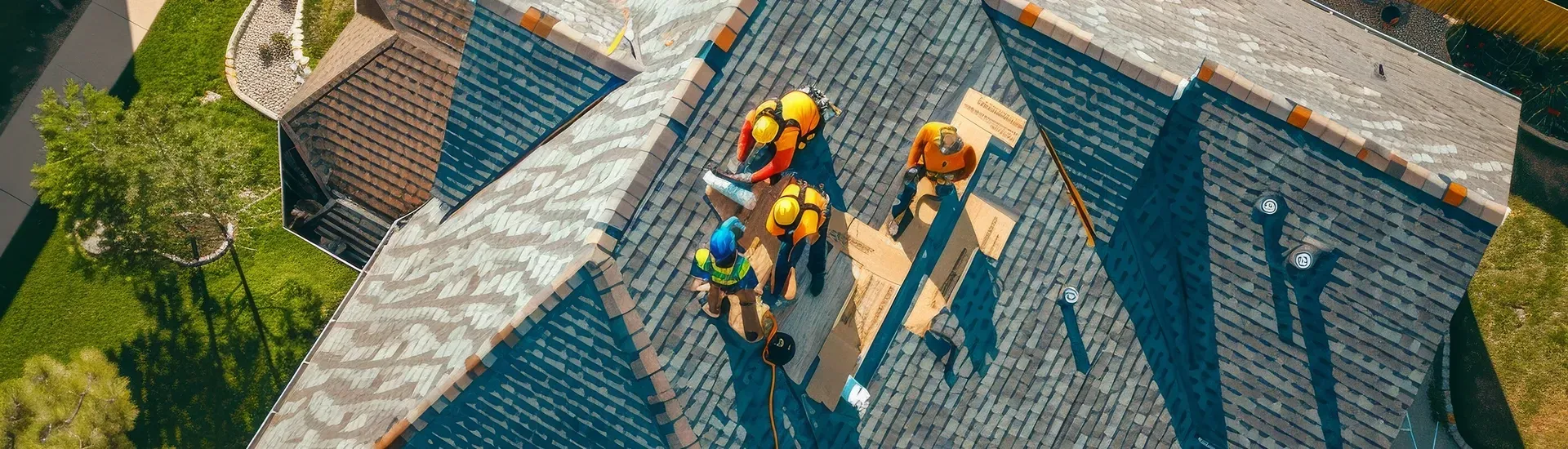
Storm Damage Repair in Belton: A Homeowner’s Photo Checklist
Storm Damage Repair in Belton: A Homeowner’s Photo Checklist
Storm Damage Repair in Belton: A Homeowner’s Photo Checklist
Storm Damage Repair in Belton: A Homeowner’s Photo Checklist
Storm Damage Repair in Belton: A Homeowner’s Photo Checklist
Storm Damage Repair in Belton: A Homeowner’s Photo Checklist
Storm Damage Repair in Belton: A Homeowner’s Photo Checklist
Storm Damage Repair in Belton: A Homeowner’s Photo Checklist
Storm Damage Repair in Belton: A Homeowner’s Photo Checklist
Storm Damage Repair in Belton: A Homeowner’s Photo Checklist



Request a Quote or Ask a Question
Request a Quote or Ask a Question
Request a Quote or Ask a Question
Request a Quote or Ask a Question
Request a Quote or Ask a Question
Request a Quote or Ask a Question
Request a Quote or Ask a Question
Request a Quote or Ask a Question
Request a Quote or Ask a Question
Storm season starts ramping up, and Belton homeowners usually feel it before they see it. The wind shifts, the sky goes that gray-green color, and then the rain hits sideways for a few minutes like it’s looking for weak spots. After a night like that, the smartest first move is not climbing a ladder. It’s a calm, protective photo checklist that helps you document what happened and get a clear repair scope.
This guide is built for storm damage repair in Belton decisions. It shows what to photograph from the ground, what to note inside, and what details licensed roofers actually use to trace damage and plan repairs.
Why Photos Matter After a Storm
A good photo set does three things:
Creates a timeline (what you noticed and when)
Shows patterns (which side of the home took the wind and rain)
Supports a repair scope (what needs to be repaired now vs. monitored)
Thunderstorms can produce damaging straight-line winds. NOAA’s National Severe Storms Laboratory notes that most straight-line winds are caused by outflow generated by a thunderstorm downdraft. Those gusts can lift shingle edges, bend vents, knock debris into valleys, and loosen gutters. Even if you never lost a whole shingle, small shifts can create future leak paths.
Safety First: What Not to Do
This is protective guidance, not a DIY repair manual.
Do not walk on the roof
Do not climb ladders in wet, windy, or unstable conditions
Do not touch sagging drywall near lights or outlets
Do not smear caulk on random roof areas “just in case”
If you need storm damage repair in Belton, your safest role is documentation and interior protection until a professional inspection.
Quick Setup: How to Take Better Photos Without Special Gear
You can do this with a phone.
Turn on grid lines if you have them
Take wide shots first, then close-ups
Photograph the same area from two angles
If you find debris (shingle pieces, metal, granules), photograph it where it landed before moving it
If you have binoculars, they help you see details without climbing.
The Homeowner Photo Checklist
Section One: Exterior Roof Photos From the Ground
These photos help a roofer evaluate likely damage zones during storm damage repair in Belton planning.
Photo 1: Full-Home “Context” Shots
Take one photo from each corner of the home so the roof planes are visible.
What this captures:
Which slopes face prevailing wind
Roof pitch and complexity
Trees, overhangs, and debris risks
Photo 2: Roof Edges and Rakes
Stand back and zoom in on roof edges.
Look for:
Uneven shingle lines
Lifted tabs at the edge
Drip edge that looks bent or separated
Wind pressure often hits edges first.
Photo 3: Valleys (If Visible)
Valleys carry heavy water flow. Zoom in where two roof planes meet.
Look for:
Leaf piles or branches packed in the valley
Exposed metal edges
Shingle distortion along the valley line
Photo 4: Ridge Line and Ridge Vents
From the ground, photograph the ridge from both sides.
Look for:
Ridge cap shingles that look shifted
Gaps at ridge vent ends
Pieces that look “out of alignment” compared to the rest of the ridge
Photo 5: Penetrations and Vents (Close-Up Zoom)
This is one of the most important areas for storm damage repair in Belton because penetrations can leak even when shingles look fine.
Photograph:
Plumbing vent pipes and boots
Exhaust vents (bath and kitchen terminations)
Any attic vents or roof caps you can see
Look for:
Crooked vents
Cracked rubber collars
Missing caps
Metal that looks bent or lifted at the base
Photo 6: Skylights and Chimneys (If You Have Them)
Photograph from multiple angles.
Look for:
Flashing that looks lifted
Loose trim edges
Debris impacts nearby
Section Two: Gutters, Downspouts, and Fascia Photos
Storm damage is not only “on the shingles.” A lot of leaks and wood issues start with drainage.
Photo 7: Gutter Runs Along Each Side
Take a straight-on photo and a slightly angled photo.
Look for:
Sagging sections
Separation at seams
Gutters pulling away from fascia
Photo 8: Downspout Connections and Splash Zones
Photograph:
The elbow joints
Where water exits near the foundation
Look for:
Missing straps
Bent elbows
Erosion or washout where water hits the ground
Photo 9: Fascia and Soffit Undersides
Stand under the eaves and photograph the underside.
Look for:
New staining
Peeling paint
Visible gaps where wind-driven rain could enter
Section Three: Yard and Ground Evidence
Photo 10: Debris Field
Photograph branches, shingle fragments, metal pieces, or granules.
Why it matters:
It shows the storm had enough force to dislodge materials
It helps identify which slope shed material
Photo 11: Tree Limbs Overhanging the Roof
Photograph limbs that scraped the roof or came down near it.
If a limb hit the roof, do not climb up to check. Photos from the ground plus a professional inspection is the safe path for storm damage repair in Belton.
Section Four: Interior Photos That Help Trace Leaks
If a storm produced a leak, your interior photos help confirm the water path.
Photo 12: Ceiling Stains and Rings
Take:
One wide photo showing the room
One close-up showing stain edges
One photo with a common item for scale (like a tape measure or your hand)
Photo 13: Bubbling Paint or Soft Drywall
Photograph any bubbles, sagging, or peeling.
Safety note:
If water is near lights, fans, or outlets, keep clear and consider shutting off that circuit if you can do so safely.
Photo 14: Attic Photos Only If Safe
If you can safely stand on framing and see clearly, photograph:
Wet insulation
Dark staining on the underside of decking
Drip marks on nails
If you are unsure, skip it. A pro can handle the attic review during storm damage repair in Belton inspection.
What to Write Down With Your Photos
A short note on your phone is enough:
Date and approximate time of storm impact
What you heard (hail, heavy wind, branches hitting)
Which side of the house faced the storm
When you first noticed any interior signs
The National Weather Service defines a severe thunderstorm as one producing a tornado, wind gusts of 58 mph or greater, and/or hail one inch in diameter or larger. You do not need to decide whether your storm met that threshold. Your job is to document what you saw and heard.
A Belton Scenario: The Damage You Could Not See From the Street
A homeowner on the Belton side of the Waco–Temple weather corridor noticed no missing shingles after a storm. The yard looked normal, but a week later a faint ceiling stain appeared near a hallway.
During inspection, the issue was not a dramatic hole. A vent boot had shifted slightly, and wind-driven rain used that tiny opening. The interior stain showed up away from the actual entry point because water traveled along decking and framing before dropping.
That is why storm damage repair in Belton starts with documentation and a diagnostic inspection, not assumptions.
How Local Weather Patterns Affect What You Photograph
Belton’s storm pattern often includes gust fronts, quick heavy rain, and debris movement. The National Weather Service also provides detailed local climate summaries and daily wind data for nearby Central Texas locations like Waco, which helps explain why wind and humidity patterns matter.
For perspective, different places show damage differently:
In Huron, hailstorms can leave clear bruising and granule loss you can often spot quickly.
In Ohio, sudden monsoons can overwhelm drainage and expose weak valleys fast.
Around Belton, wind-driven rain and straight-line gusts often create “small detail” failures that show up later as leaks. That is exactly what this storm damage repair in Belton photo checklist is designed to catch early.
What Big Boy Roofing Does With Your Photos
When you schedule an inspection, photos help the team:
Focus on the storm-facing slopes first
Check high-risk details like vents, flashing, valleys, and edges
Compare interior stains to likely roof entry points
Build a written repair scope that matches what your home needs now
For service details and scheduling, visit our Storm Damage Repair page.
If you prefer to speak with someone locally, you can also visit us in Belton, TX.
Documentation-Only Reminder
To keep expectations clear:
We provide inspection documentation and a repair scope
We do not handle claims
We do not interpret coverage outcomes
We do not mention or offer deductible waivers
The goal is clean documentation and a straightforward repair plan for storm damage repair in Belton. Storm season starts ramping up, and the best time to document is before small issues turn into surprise leaks. If you used this checklist and want a professional review, schedule storm damage repair in Belton with Big Boy Roofing.
Schedule a storm damage inspection and get a clear repair scope.
Frequently Asked Questions
How Soon Should I Take Photos After a Storm?
As soon as it is safe and daylight allows. Early photos capture fresh debris, shifted components, and interior stains before they change. This helps storm damage repair in Belton inspections stay precise.
What If I See No Roof Damage but I Hear Dripping?
Take interior photos and note the timing. Leaks often come from vents, flashing, or small openings that are hard to see from the ground. A diagnostic inspection can trace the entry point.
Should I Get on the Roof to Check Shingles?
No. For safety reasons, avoid roof walking. Use zoom photos from the ground and schedule a professional inspection for storm damage repair in Belton.
What Photos Help the Most?
Clear photos of roof edges, valleys, vents, gutters, and any interior stains. Also photograph any debris in the yard. These are the areas most commonly tied to damage after strong gusts and hail.
Will an Inspection Tell Me Exactly What Needs Repair?
That is the goal. A good inspection results in a clear repair scope, photos, and a written estimate for storm damage repair in Belton options.
Storm season starts ramping up, and Belton homeowners usually feel it before they see it. The wind shifts, the sky goes that gray-green color, and then the rain hits sideways for a few minutes like it’s looking for weak spots. After a night like that, the smartest first move is not climbing a ladder. It’s a calm, protective photo checklist that helps you document what happened and get a clear repair scope.
This guide is built for storm damage repair in Belton decisions. It shows what to photograph from the ground, what to note inside, and what details licensed roofers actually use to trace damage and plan repairs.
Why Photos Matter After a Storm
A good photo set does three things:
Creates a timeline (what you noticed and when)
Shows patterns (which side of the home took the wind and rain)
Supports a repair scope (what needs to be repaired now vs. monitored)
Thunderstorms can produce damaging straight-line winds. NOAA’s National Severe Storms Laboratory notes that most straight-line winds are caused by outflow generated by a thunderstorm downdraft. Those gusts can lift shingle edges, bend vents, knock debris into valleys, and loosen gutters. Even if you never lost a whole shingle, small shifts can create future leak paths.
Safety First: What Not to Do
This is protective guidance, not a DIY repair manual.
Do not walk on the roof
Do not climb ladders in wet, windy, or unstable conditions
Do not touch sagging drywall near lights or outlets
Do not smear caulk on random roof areas “just in case”
If you need storm damage repair in Belton, your safest role is documentation and interior protection until a professional inspection.
Quick Setup: How to Take Better Photos Without Special Gear
You can do this with a phone.
Turn on grid lines if you have them
Take wide shots first, then close-ups
Photograph the same area from two angles
If you find debris (shingle pieces, metal, granules), photograph it where it landed before moving it
If you have binoculars, they help you see details without climbing.
The Homeowner Photo Checklist
Section One: Exterior Roof Photos From the Ground
These photos help a roofer evaluate likely damage zones during storm damage repair in Belton planning.
Photo 1: Full-Home “Context” Shots
Take one photo from each corner of the home so the roof planes are visible.
What this captures:
Which slopes face prevailing wind
Roof pitch and complexity
Trees, overhangs, and debris risks
Photo 2: Roof Edges and Rakes
Stand back and zoom in on roof edges.
Look for:
Uneven shingle lines
Lifted tabs at the edge
Drip edge that looks bent or separated
Wind pressure often hits edges first.
Photo 3: Valleys (If Visible)
Valleys carry heavy water flow. Zoom in where two roof planes meet.
Look for:
Leaf piles or branches packed in the valley
Exposed metal edges
Shingle distortion along the valley line
Photo 4: Ridge Line and Ridge Vents
From the ground, photograph the ridge from both sides.
Look for:
Ridge cap shingles that look shifted
Gaps at ridge vent ends
Pieces that look “out of alignment” compared to the rest of the ridge
Photo 5: Penetrations and Vents (Close-Up Zoom)
This is one of the most important areas for storm damage repair in Belton because penetrations can leak even when shingles look fine.
Photograph:
Plumbing vent pipes and boots
Exhaust vents (bath and kitchen terminations)
Any attic vents or roof caps you can see
Look for:
Crooked vents
Cracked rubber collars
Missing caps
Metal that looks bent or lifted at the base
Photo 6: Skylights and Chimneys (If You Have Them)
Photograph from multiple angles.
Look for:
Flashing that looks lifted
Loose trim edges
Debris impacts nearby
Section Two: Gutters, Downspouts, and Fascia Photos
Storm damage is not only “on the shingles.” A lot of leaks and wood issues start with drainage.
Photo 7: Gutter Runs Along Each Side
Take a straight-on photo and a slightly angled photo.
Look for:
Sagging sections
Separation at seams
Gutters pulling away from fascia
Photo 8: Downspout Connections and Splash Zones
Photograph:
The elbow joints
Where water exits near the foundation
Look for:
Missing straps
Bent elbows
Erosion or washout where water hits the ground
Photo 9: Fascia and Soffit Undersides
Stand under the eaves and photograph the underside.
Look for:
New staining
Peeling paint
Visible gaps where wind-driven rain could enter
Section Three: Yard and Ground Evidence
Photo 10: Debris Field
Photograph branches, shingle fragments, metal pieces, or granules.
Why it matters:
It shows the storm had enough force to dislodge materials
It helps identify which slope shed material
Photo 11: Tree Limbs Overhanging the Roof
Photograph limbs that scraped the roof or came down near it.
If a limb hit the roof, do not climb up to check. Photos from the ground plus a professional inspection is the safe path for storm damage repair in Belton.
Section Four: Interior Photos That Help Trace Leaks
If a storm produced a leak, your interior photos help confirm the water path.
Photo 12: Ceiling Stains and Rings
Take:
One wide photo showing the room
One close-up showing stain edges
One photo with a common item for scale (like a tape measure or your hand)
Photo 13: Bubbling Paint or Soft Drywall
Photograph any bubbles, sagging, or peeling.
Safety note:
If water is near lights, fans, or outlets, keep clear and consider shutting off that circuit if you can do so safely.
Photo 14: Attic Photos Only If Safe
If you can safely stand on framing and see clearly, photograph:
Wet insulation
Dark staining on the underside of decking
Drip marks on nails
If you are unsure, skip it. A pro can handle the attic review during storm damage repair in Belton inspection.
What to Write Down With Your Photos
A short note on your phone is enough:
Date and approximate time of storm impact
What you heard (hail, heavy wind, branches hitting)
Which side of the house faced the storm
When you first noticed any interior signs
The National Weather Service defines a severe thunderstorm as one producing a tornado, wind gusts of 58 mph or greater, and/or hail one inch in diameter or larger. You do not need to decide whether your storm met that threshold. Your job is to document what you saw and heard.
A Belton Scenario: The Damage You Could Not See From the Street
A homeowner on the Belton side of the Waco–Temple weather corridor noticed no missing shingles after a storm. The yard looked normal, but a week later a faint ceiling stain appeared near a hallway.
During inspection, the issue was not a dramatic hole. A vent boot had shifted slightly, and wind-driven rain used that tiny opening. The interior stain showed up away from the actual entry point because water traveled along decking and framing before dropping.
That is why storm damage repair in Belton starts with documentation and a diagnostic inspection, not assumptions.
How Local Weather Patterns Affect What You Photograph
Belton’s storm pattern often includes gust fronts, quick heavy rain, and debris movement. The National Weather Service also provides detailed local climate summaries and daily wind data for nearby Central Texas locations like Waco, which helps explain why wind and humidity patterns matter.
For perspective, different places show damage differently:
In Huron, hailstorms can leave clear bruising and granule loss you can often spot quickly.
In Ohio, sudden monsoons can overwhelm drainage and expose weak valleys fast.
Around Belton, wind-driven rain and straight-line gusts often create “small detail” failures that show up later as leaks. That is exactly what this storm damage repair in Belton photo checklist is designed to catch early.
What Big Boy Roofing Does With Your Photos
When you schedule an inspection, photos help the team:
Focus on the storm-facing slopes first
Check high-risk details like vents, flashing, valleys, and edges
Compare interior stains to likely roof entry points
Build a written repair scope that matches what your home needs now
For service details and scheduling, visit our Storm Damage Repair page.
If you prefer to speak with someone locally, you can also visit us in Belton, TX.
Documentation-Only Reminder
To keep expectations clear:
We provide inspection documentation and a repair scope
We do not handle claims
We do not interpret coverage outcomes
We do not mention or offer deductible waivers
The goal is clean documentation and a straightforward repair plan for storm damage repair in Belton. Storm season starts ramping up, and the best time to document is before small issues turn into surprise leaks. If you used this checklist and want a professional review, schedule storm damage repair in Belton with Big Boy Roofing.
Schedule a storm damage inspection and get a clear repair scope.
Frequently Asked Questions
How Soon Should I Take Photos After a Storm?
As soon as it is safe and daylight allows. Early photos capture fresh debris, shifted components, and interior stains before they change. This helps storm damage repair in Belton inspections stay precise.
What If I See No Roof Damage but I Hear Dripping?
Take interior photos and note the timing. Leaks often come from vents, flashing, or small openings that are hard to see from the ground. A diagnostic inspection can trace the entry point.
Should I Get on the Roof to Check Shingles?
No. For safety reasons, avoid roof walking. Use zoom photos from the ground and schedule a professional inspection for storm damage repair in Belton.
What Photos Help the Most?
Clear photos of roof edges, valleys, vents, gutters, and any interior stains. Also photograph any debris in the yard. These are the areas most commonly tied to damage after strong gusts and hail.
Will an Inspection Tell Me Exactly What Needs Repair?
That is the goal. A good inspection results in a clear repair scope, photos, and a written estimate for storm damage repair in Belton options.
Storm season starts ramping up, and Belton homeowners usually feel it before they see it. The wind shifts, the sky goes that gray-green color, and then the rain hits sideways for a few minutes like it’s looking for weak spots. After a night like that, the smartest first move is not climbing a ladder. It’s a calm, protective photo checklist that helps you document what happened and get a clear repair scope.
This guide is built for storm damage repair in Belton decisions. It shows what to photograph from the ground, what to note inside, and what details licensed roofers actually use to trace damage and plan repairs.
Why Photos Matter After a Storm
A good photo set does three things:
Creates a timeline (what you noticed and when)
Shows patterns (which side of the home took the wind and rain)
Supports a repair scope (what needs to be repaired now vs. monitored)
Thunderstorms can produce damaging straight-line winds. NOAA’s National Severe Storms Laboratory notes that most straight-line winds are caused by outflow generated by a thunderstorm downdraft. Those gusts can lift shingle edges, bend vents, knock debris into valleys, and loosen gutters. Even if you never lost a whole shingle, small shifts can create future leak paths.
Safety First: What Not to Do
This is protective guidance, not a DIY repair manual.
Do not walk on the roof
Do not climb ladders in wet, windy, or unstable conditions
Do not touch sagging drywall near lights or outlets
Do not smear caulk on random roof areas “just in case”
If you need storm damage repair in Belton, your safest role is documentation and interior protection until a professional inspection.
Quick Setup: How to Take Better Photos Without Special Gear
You can do this with a phone.
Turn on grid lines if you have them
Take wide shots first, then close-ups
Photograph the same area from two angles
If you find debris (shingle pieces, metal, granules), photograph it where it landed before moving it
If you have binoculars, they help you see details without climbing.
The Homeowner Photo Checklist
Section One: Exterior Roof Photos From the Ground
These photos help a roofer evaluate likely damage zones during storm damage repair in Belton planning.
Photo 1: Full-Home “Context” Shots
Take one photo from each corner of the home so the roof planes are visible.
What this captures:
Which slopes face prevailing wind
Roof pitch and complexity
Trees, overhangs, and debris risks
Photo 2: Roof Edges and Rakes
Stand back and zoom in on roof edges.
Look for:
Uneven shingle lines
Lifted tabs at the edge
Drip edge that looks bent or separated
Wind pressure often hits edges first.
Photo 3: Valleys (If Visible)
Valleys carry heavy water flow. Zoom in where two roof planes meet.
Look for:
Leaf piles or branches packed in the valley
Exposed metal edges
Shingle distortion along the valley line
Photo 4: Ridge Line and Ridge Vents
From the ground, photograph the ridge from both sides.
Look for:
Ridge cap shingles that look shifted
Gaps at ridge vent ends
Pieces that look “out of alignment” compared to the rest of the ridge
Photo 5: Penetrations and Vents (Close-Up Zoom)
This is one of the most important areas for storm damage repair in Belton because penetrations can leak even when shingles look fine.
Photograph:
Plumbing vent pipes and boots
Exhaust vents (bath and kitchen terminations)
Any attic vents or roof caps you can see
Look for:
Crooked vents
Cracked rubber collars
Missing caps
Metal that looks bent or lifted at the base
Photo 6: Skylights and Chimneys (If You Have Them)
Photograph from multiple angles.
Look for:
Flashing that looks lifted
Loose trim edges
Debris impacts nearby
Section Two: Gutters, Downspouts, and Fascia Photos
Storm damage is not only “on the shingles.” A lot of leaks and wood issues start with drainage.
Photo 7: Gutter Runs Along Each Side
Take a straight-on photo and a slightly angled photo.
Look for:
Sagging sections
Separation at seams
Gutters pulling away from fascia
Photo 8: Downspout Connections and Splash Zones
Photograph:
The elbow joints
Where water exits near the foundation
Look for:
Missing straps
Bent elbows
Erosion or washout where water hits the ground
Photo 9: Fascia and Soffit Undersides
Stand under the eaves and photograph the underside.
Look for:
New staining
Peeling paint
Visible gaps where wind-driven rain could enter
Section Three: Yard and Ground Evidence
Photo 10: Debris Field
Photograph branches, shingle fragments, metal pieces, or granules.
Why it matters:
It shows the storm had enough force to dislodge materials
It helps identify which slope shed material
Photo 11: Tree Limbs Overhanging the Roof
Photograph limbs that scraped the roof or came down near it.
If a limb hit the roof, do not climb up to check. Photos from the ground plus a professional inspection is the safe path for storm damage repair in Belton.
Section Four: Interior Photos That Help Trace Leaks
If a storm produced a leak, your interior photos help confirm the water path.
Photo 12: Ceiling Stains and Rings
Take:
One wide photo showing the room
One close-up showing stain edges
One photo with a common item for scale (like a tape measure or your hand)
Photo 13: Bubbling Paint or Soft Drywall
Photograph any bubbles, sagging, or peeling.
Safety note:
If water is near lights, fans, or outlets, keep clear and consider shutting off that circuit if you can do so safely.
Photo 14: Attic Photos Only If Safe
If you can safely stand on framing and see clearly, photograph:
Wet insulation
Dark staining on the underside of decking
Drip marks on nails
If you are unsure, skip it. A pro can handle the attic review during storm damage repair in Belton inspection.
What to Write Down With Your Photos
A short note on your phone is enough:
Date and approximate time of storm impact
What you heard (hail, heavy wind, branches hitting)
Which side of the house faced the storm
When you first noticed any interior signs
The National Weather Service defines a severe thunderstorm as one producing a tornado, wind gusts of 58 mph or greater, and/or hail one inch in diameter or larger. You do not need to decide whether your storm met that threshold. Your job is to document what you saw and heard.
A Belton Scenario: The Damage You Could Not See From the Street
A homeowner on the Belton side of the Waco–Temple weather corridor noticed no missing shingles after a storm. The yard looked normal, but a week later a faint ceiling stain appeared near a hallway.
During inspection, the issue was not a dramatic hole. A vent boot had shifted slightly, and wind-driven rain used that tiny opening. The interior stain showed up away from the actual entry point because water traveled along decking and framing before dropping.
That is why storm damage repair in Belton starts with documentation and a diagnostic inspection, not assumptions.
How Local Weather Patterns Affect What You Photograph
Belton’s storm pattern often includes gust fronts, quick heavy rain, and debris movement. The National Weather Service also provides detailed local climate summaries and daily wind data for nearby Central Texas locations like Waco, which helps explain why wind and humidity patterns matter.
For perspective, different places show damage differently:
In Huron, hailstorms can leave clear bruising and granule loss you can often spot quickly.
In Ohio, sudden monsoons can overwhelm drainage and expose weak valleys fast.
Around Belton, wind-driven rain and straight-line gusts often create “small detail” failures that show up later as leaks. That is exactly what this storm damage repair in Belton photo checklist is designed to catch early.
What Big Boy Roofing Does With Your Photos
When you schedule an inspection, photos help the team:
Focus on the storm-facing slopes first
Check high-risk details like vents, flashing, valleys, and edges
Compare interior stains to likely roof entry points
Build a written repair scope that matches what your home needs now
For service details and scheduling, visit our Storm Damage Repair page.
If you prefer to speak with someone locally, you can also visit us in Belton, TX.
Documentation-Only Reminder
To keep expectations clear:
We provide inspection documentation and a repair scope
We do not handle claims
We do not interpret coverage outcomes
We do not mention or offer deductible waivers
The goal is clean documentation and a straightforward repair plan for storm damage repair in Belton. Storm season starts ramping up, and the best time to document is before small issues turn into surprise leaks. If you used this checklist and want a professional review, schedule storm damage repair in Belton with Big Boy Roofing.
Schedule a storm damage inspection and get a clear repair scope.
Frequently Asked Questions
How Soon Should I Take Photos After a Storm?
As soon as it is safe and daylight allows. Early photos capture fresh debris, shifted components, and interior stains before they change. This helps storm damage repair in Belton inspections stay precise.
What If I See No Roof Damage but I Hear Dripping?
Take interior photos and note the timing. Leaks often come from vents, flashing, or small openings that are hard to see from the ground. A diagnostic inspection can trace the entry point.
Should I Get on the Roof to Check Shingles?
No. For safety reasons, avoid roof walking. Use zoom photos from the ground and schedule a professional inspection for storm damage repair in Belton.
What Photos Help the Most?
Clear photos of roof edges, valleys, vents, gutters, and any interior stains. Also photograph any debris in the yard. These are the areas most commonly tied to damage after strong gusts and hail.
Will an Inspection Tell Me Exactly What Needs Repair?
That is the goal. A good inspection results in a clear repair scope, photos, and a written estimate for storm damage repair in Belton options.
Storm season starts ramping up, and Belton homeowners usually feel it before they see it. The wind shifts, the sky goes that gray-green color, and then the rain hits sideways for a few minutes like it’s looking for weak spots. After a night like that, the smartest first move is not climbing a ladder. It’s a calm, protective photo checklist that helps you document what happened and get a clear repair scope.
This guide is built for storm damage repair in Belton decisions. It shows what to photograph from the ground, what to note inside, and what details licensed roofers actually use to trace damage and plan repairs.
Why Photos Matter After a Storm
A good photo set does three things:
Creates a timeline (what you noticed and when)
Shows patterns (which side of the home took the wind and rain)
Supports a repair scope (what needs to be repaired now vs. monitored)
Thunderstorms can produce damaging straight-line winds. NOAA’s National Severe Storms Laboratory notes that most straight-line winds are caused by outflow generated by a thunderstorm downdraft. Those gusts can lift shingle edges, bend vents, knock debris into valleys, and loosen gutters. Even if you never lost a whole shingle, small shifts can create future leak paths.
Safety First: What Not to Do
This is protective guidance, not a DIY repair manual.
Do not walk on the roof
Do not climb ladders in wet, windy, or unstable conditions
Do not touch sagging drywall near lights or outlets
Do not smear caulk on random roof areas “just in case”
If you need storm damage repair in Belton, your safest role is documentation and interior protection until a professional inspection.
Quick Setup: How to Take Better Photos Without Special Gear
You can do this with a phone.
Turn on grid lines if you have them
Take wide shots first, then close-ups
Photograph the same area from two angles
If you find debris (shingle pieces, metal, granules), photograph it where it landed before moving it
If you have binoculars, they help you see details without climbing.
The Homeowner Photo Checklist
Section One: Exterior Roof Photos From the Ground
These photos help a roofer evaluate likely damage zones during storm damage repair in Belton planning.
Photo 1: Full-Home “Context” Shots
Take one photo from each corner of the home so the roof planes are visible.
What this captures:
Which slopes face prevailing wind
Roof pitch and complexity
Trees, overhangs, and debris risks
Photo 2: Roof Edges and Rakes
Stand back and zoom in on roof edges.
Look for:
Uneven shingle lines
Lifted tabs at the edge
Drip edge that looks bent or separated
Wind pressure often hits edges first.
Photo 3: Valleys (If Visible)
Valleys carry heavy water flow. Zoom in where two roof planes meet.
Look for:
Leaf piles or branches packed in the valley
Exposed metal edges
Shingle distortion along the valley line
Photo 4: Ridge Line and Ridge Vents
From the ground, photograph the ridge from both sides.
Look for:
Ridge cap shingles that look shifted
Gaps at ridge vent ends
Pieces that look “out of alignment” compared to the rest of the ridge
Photo 5: Penetrations and Vents (Close-Up Zoom)
This is one of the most important areas for storm damage repair in Belton because penetrations can leak even when shingles look fine.
Photograph:
Plumbing vent pipes and boots
Exhaust vents (bath and kitchen terminations)
Any attic vents or roof caps you can see
Look for:
Crooked vents
Cracked rubber collars
Missing caps
Metal that looks bent or lifted at the base
Photo 6: Skylights and Chimneys (If You Have Them)
Photograph from multiple angles.
Look for:
Flashing that looks lifted
Loose trim edges
Debris impacts nearby
Section Two: Gutters, Downspouts, and Fascia Photos
Storm damage is not only “on the shingles.” A lot of leaks and wood issues start with drainage.
Photo 7: Gutter Runs Along Each Side
Take a straight-on photo and a slightly angled photo.
Look for:
Sagging sections
Separation at seams
Gutters pulling away from fascia
Photo 8: Downspout Connections and Splash Zones
Photograph:
The elbow joints
Where water exits near the foundation
Look for:
Missing straps
Bent elbows
Erosion or washout where water hits the ground
Photo 9: Fascia and Soffit Undersides
Stand under the eaves and photograph the underside.
Look for:
New staining
Peeling paint
Visible gaps where wind-driven rain could enter
Section Three: Yard and Ground Evidence
Photo 10: Debris Field
Photograph branches, shingle fragments, metal pieces, or granules.
Why it matters:
It shows the storm had enough force to dislodge materials
It helps identify which slope shed material
Photo 11: Tree Limbs Overhanging the Roof
Photograph limbs that scraped the roof or came down near it.
If a limb hit the roof, do not climb up to check. Photos from the ground plus a professional inspection is the safe path for storm damage repair in Belton.
Section Four: Interior Photos That Help Trace Leaks
If a storm produced a leak, your interior photos help confirm the water path.
Photo 12: Ceiling Stains and Rings
Take:
One wide photo showing the room
One close-up showing stain edges
One photo with a common item for scale (like a tape measure or your hand)
Photo 13: Bubbling Paint or Soft Drywall
Photograph any bubbles, sagging, or peeling.
Safety note:
If water is near lights, fans, or outlets, keep clear and consider shutting off that circuit if you can do so safely.
Photo 14: Attic Photos Only If Safe
If you can safely stand on framing and see clearly, photograph:
Wet insulation
Dark staining on the underside of decking
Drip marks on nails
If you are unsure, skip it. A pro can handle the attic review during storm damage repair in Belton inspection.
What to Write Down With Your Photos
A short note on your phone is enough:
Date and approximate time of storm impact
What you heard (hail, heavy wind, branches hitting)
Which side of the house faced the storm
When you first noticed any interior signs
The National Weather Service defines a severe thunderstorm as one producing a tornado, wind gusts of 58 mph or greater, and/or hail one inch in diameter or larger. You do not need to decide whether your storm met that threshold. Your job is to document what you saw and heard.
A Belton Scenario: The Damage You Could Not See From the Street
A homeowner on the Belton side of the Waco–Temple weather corridor noticed no missing shingles after a storm. The yard looked normal, but a week later a faint ceiling stain appeared near a hallway.
During inspection, the issue was not a dramatic hole. A vent boot had shifted slightly, and wind-driven rain used that tiny opening. The interior stain showed up away from the actual entry point because water traveled along decking and framing before dropping.
That is why storm damage repair in Belton starts with documentation and a diagnostic inspection, not assumptions.
How Local Weather Patterns Affect What You Photograph
Belton’s storm pattern often includes gust fronts, quick heavy rain, and debris movement. The National Weather Service also provides detailed local climate summaries and daily wind data for nearby Central Texas locations like Waco, which helps explain why wind and humidity patterns matter.
For perspective, different places show damage differently:
In Huron, hailstorms can leave clear bruising and granule loss you can often spot quickly.
In Ohio, sudden monsoons can overwhelm drainage and expose weak valleys fast.
Around Belton, wind-driven rain and straight-line gusts often create “small detail” failures that show up later as leaks. That is exactly what this storm damage repair in Belton photo checklist is designed to catch early.
What Big Boy Roofing Does With Your Photos
When you schedule an inspection, photos help the team:
Focus on the storm-facing slopes first
Check high-risk details like vents, flashing, valleys, and edges
Compare interior stains to likely roof entry points
Build a written repair scope that matches what your home needs now
For service details and scheduling, visit our Storm Damage Repair page.
If you prefer to speak with someone locally, you can also visit us in Belton, TX.
Documentation-Only Reminder
To keep expectations clear:
We provide inspection documentation and a repair scope
We do not handle claims
We do not interpret coverage outcomes
We do not mention or offer deductible waivers
The goal is clean documentation and a straightforward repair plan for storm damage repair in Belton. Storm season starts ramping up, and the best time to document is before small issues turn into surprise leaks. If you used this checklist and want a professional review, schedule storm damage repair in Belton with Big Boy Roofing.
Schedule a storm damage inspection and get a clear repair scope.
Frequently Asked Questions
How Soon Should I Take Photos After a Storm?
As soon as it is safe and daylight allows. Early photos capture fresh debris, shifted components, and interior stains before they change. This helps storm damage repair in Belton inspections stay precise.
What If I See No Roof Damage but I Hear Dripping?
Take interior photos and note the timing. Leaks often come from vents, flashing, or small openings that are hard to see from the ground. A diagnostic inspection can trace the entry point.
Should I Get on the Roof to Check Shingles?
No. For safety reasons, avoid roof walking. Use zoom photos from the ground and schedule a professional inspection for storm damage repair in Belton.
What Photos Help the Most?
Clear photos of roof edges, valleys, vents, gutters, and any interior stains. Also photograph any debris in the yard. These are the areas most commonly tied to damage after strong gusts and hail.
Will an Inspection Tell Me Exactly What Needs Repair?
That is the goal. A good inspection results in a clear repair scope, photos, and a written estimate for storm damage repair in Belton options.
Storm season starts ramping up, and Belton homeowners usually feel it before they see it. The wind shifts, the sky goes that gray-green color, and then the rain hits sideways for a few minutes like it’s looking for weak spots. After a night like that, the smartest first move is not climbing a ladder. It’s a calm, protective photo checklist that helps you document what happened and get a clear repair scope.
This guide is built for storm damage repair in Belton decisions. It shows what to photograph from the ground, what to note inside, and what details licensed roofers actually use to trace damage and plan repairs.
Why Photos Matter After a Storm
A good photo set does three things:
Creates a timeline (what you noticed and when)
Shows patterns (which side of the home took the wind and rain)
Supports a repair scope (what needs to be repaired now vs. monitored)
Thunderstorms can produce damaging straight-line winds. NOAA’s National Severe Storms Laboratory notes that most straight-line winds are caused by outflow generated by a thunderstorm downdraft. Those gusts can lift shingle edges, bend vents, knock debris into valleys, and loosen gutters. Even if you never lost a whole shingle, small shifts can create future leak paths.
Safety First: What Not to Do
This is protective guidance, not a DIY repair manual.
Do not walk on the roof
Do not climb ladders in wet, windy, or unstable conditions
Do not touch sagging drywall near lights or outlets
Do not smear caulk on random roof areas “just in case”
If you need storm damage repair in Belton, your safest role is documentation and interior protection until a professional inspection.
Quick Setup: How to Take Better Photos Without Special Gear
You can do this with a phone.
Turn on grid lines if you have them
Take wide shots first, then close-ups
Photograph the same area from two angles
If you find debris (shingle pieces, metal, granules), photograph it where it landed before moving it
If you have binoculars, they help you see details without climbing.
The Homeowner Photo Checklist
Section One: Exterior Roof Photos From the Ground
These photos help a roofer evaluate likely damage zones during storm damage repair in Belton planning.
Photo 1: Full-Home “Context” Shots
Take one photo from each corner of the home so the roof planes are visible.
What this captures:
Which slopes face prevailing wind
Roof pitch and complexity
Trees, overhangs, and debris risks
Photo 2: Roof Edges and Rakes
Stand back and zoom in on roof edges.
Look for:
Uneven shingle lines
Lifted tabs at the edge
Drip edge that looks bent or separated
Wind pressure often hits edges first.
Photo 3: Valleys (If Visible)
Valleys carry heavy water flow. Zoom in where two roof planes meet.
Look for:
Leaf piles or branches packed in the valley
Exposed metal edges
Shingle distortion along the valley line
Photo 4: Ridge Line and Ridge Vents
From the ground, photograph the ridge from both sides.
Look for:
Ridge cap shingles that look shifted
Gaps at ridge vent ends
Pieces that look “out of alignment” compared to the rest of the ridge
Photo 5: Penetrations and Vents (Close-Up Zoom)
This is one of the most important areas for storm damage repair in Belton because penetrations can leak even when shingles look fine.
Photograph:
Plumbing vent pipes and boots
Exhaust vents (bath and kitchen terminations)
Any attic vents or roof caps you can see
Look for:
Crooked vents
Cracked rubber collars
Missing caps
Metal that looks bent or lifted at the base
Photo 6: Skylights and Chimneys (If You Have Them)
Photograph from multiple angles.
Look for:
Flashing that looks lifted
Loose trim edges
Debris impacts nearby
Section Two: Gutters, Downspouts, and Fascia Photos
Storm damage is not only “on the shingles.” A lot of leaks and wood issues start with drainage.
Photo 7: Gutter Runs Along Each Side
Take a straight-on photo and a slightly angled photo.
Look for:
Sagging sections
Separation at seams
Gutters pulling away from fascia
Photo 8: Downspout Connections and Splash Zones
Photograph:
The elbow joints
Where water exits near the foundation
Look for:
Missing straps
Bent elbows
Erosion or washout where water hits the ground
Photo 9: Fascia and Soffit Undersides
Stand under the eaves and photograph the underside.
Look for:
New staining
Peeling paint
Visible gaps where wind-driven rain could enter
Section Three: Yard and Ground Evidence
Photo 10: Debris Field
Photograph branches, shingle fragments, metal pieces, or granules.
Why it matters:
It shows the storm had enough force to dislodge materials
It helps identify which slope shed material
Photo 11: Tree Limbs Overhanging the Roof
Photograph limbs that scraped the roof or came down near it.
If a limb hit the roof, do not climb up to check. Photos from the ground plus a professional inspection is the safe path for storm damage repair in Belton.
Section Four: Interior Photos That Help Trace Leaks
If a storm produced a leak, your interior photos help confirm the water path.
Photo 12: Ceiling Stains and Rings
Take:
One wide photo showing the room
One close-up showing stain edges
One photo with a common item for scale (like a tape measure or your hand)
Photo 13: Bubbling Paint or Soft Drywall
Photograph any bubbles, sagging, or peeling.
Safety note:
If water is near lights, fans, or outlets, keep clear and consider shutting off that circuit if you can do so safely.
Photo 14: Attic Photos Only If Safe
If you can safely stand on framing and see clearly, photograph:
Wet insulation
Dark staining on the underside of decking
Drip marks on nails
If you are unsure, skip it. A pro can handle the attic review during storm damage repair in Belton inspection.
What to Write Down With Your Photos
A short note on your phone is enough:
Date and approximate time of storm impact
What you heard (hail, heavy wind, branches hitting)
Which side of the house faced the storm
When you first noticed any interior signs
The National Weather Service defines a severe thunderstorm as one producing a tornado, wind gusts of 58 mph or greater, and/or hail one inch in diameter or larger. You do not need to decide whether your storm met that threshold. Your job is to document what you saw and heard.
A Belton Scenario: The Damage You Could Not See From the Street
A homeowner on the Belton side of the Waco–Temple weather corridor noticed no missing shingles after a storm. The yard looked normal, but a week later a faint ceiling stain appeared near a hallway.
During inspection, the issue was not a dramatic hole. A vent boot had shifted slightly, and wind-driven rain used that tiny opening. The interior stain showed up away from the actual entry point because water traveled along decking and framing before dropping.
That is why storm damage repair in Belton starts with documentation and a diagnostic inspection, not assumptions.
How Local Weather Patterns Affect What You Photograph
Belton’s storm pattern often includes gust fronts, quick heavy rain, and debris movement. The National Weather Service also provides detailed local climate summaries and daily wind data for nearby Central Texas locations like Waco, which helps explain why wind and humidity patterns matter.
For perspective, different places show damage differently:
In Huron, hailstorms can leave clear bruising and granule loss you can often spot quickly.
In Ohio, sudden monsoons can overwhelm drainage and expose weak valleys fast.
Around Belton, wind-driven rain and straight-line gusts often create “small detail” failures that show up later as leaks. That is exactly what this storm damage repair in Belton photo checklist is designed to catch early.
What Big Boy Roofing Does With Your Photos
When you schedule an inspection, photos help the team:
Focus on the storm-facing slopes first
Check high-risk details like vents, flashing, valleys, and edges
Compare interior stains to likely roof entry points
Build a written repair scope that matches what your home needs now
For service details and scheduling, visit our Storm Damage Repair page.
If you prefer to speak with someone locally, you can also visit us in Belton, TX.
Documentation-Only Reminder
To keep expectations clear:
We provide inspection documentation and a repair scope
We do not handle claims
We do not interpret coverage outcomes
We do not mention or offer deductible waivers
The goal is clean documentation and a straightforward repair plan for storm damage repair in Belton. Storm season starts ramping up, and the best time to document is before small issues turn into surprise leaks. If you used this checklist and want a professional review, schedule storm damage repair in Belton with Big Boy Roofing.
Schedule a storm damage inspection and get a clear repair scope.
Frequently Asked Questions
How Soon Should I Take Photos After a Storm?
As soon as it is safe and daylight allows. Early photos capture fresh debris, shifted components, and interior stains before they change. This helps storm damage repair in Belton inspections stay precise.
What If I See No Roof Damage but I Hear Dripping?
Take interior photos and note the timing. Leaks often come from vents, flashing, or small openings that are hard to see from the ground. A diagnostic inspection can trace the entry point.
Should I Get on the Roof to Check Shingles?
No. For safety reasons, avoid roof walking. Use zoom photos from the ground and schedule a professional inspection for storm damage repair in Belton.
What Photos Help the Most?
Clear photos of roof edges, valleys, vents, gutters, and any interior stains. Also photograph any debris in the yard. These are the areas most commonly tied to damage after strong gusts and hail.
Will an Inspection Tell Me Exactly What Needs Repair?
That is the goal. A good inspection results in a clear repair scope, photos, and a written estimate for storm damage repair in Belton options.
Storm season starts ramping up, and Belton homeowners usually feel it before they see it. The wind shifts, the sky goes that gray-green color, and then the rain hits sideways for a few minutes like it’s looking for weak spots. After a night like that, the smartest first move is not climbing a ladder. It’s a calm, protective photo checklist that helps you document what happened and get a clear repair scope.
This guide is built for storm damage repair in Belton decisions. It shows what to photograph from the ground, what to note inside, and what details licensed roofers actually use to trace damage and plan repairs.
Why Photos Matter After a Storm
A good photo set does three things:
Creates a timeline (what you noticed and when)
Shows patterns (which side of the home took the wind and rain)
Supports a repair scope (what needs to be repaired now vs. monitored)
Thunderstorms can produce damaging straight-line winds. NOAA’s National Severe Storms Laboratory notes that most straight-line winds are caused by outflow generated by a thunderstorm downdraft. Those gusts can lift shingle edges, bend vents, knock debris into valleys, and loosen gutters. Even if you never lost a whole shingle, small shifts can create future leak paths.
Safety First: What Not to Do
This is protective guidance, not a DIY repair manual.
Do not walk on the roof
Do not climb ladders in wet, windy, or unstable conditions
Do not touch sagging drywall near lights or outlets
Do not smear caulk on random roof areas “just in case”
If you need storm damage repair in Belton, your safest role is documentation and interior protection until a professional inspection.
Quick Setup: How to Take Better Photos Without Special Gear
You can do this with a phone.
Turn on grid lines if you have them
Take wide shots first, then close-ups
Photograph the same area from two angles
If you find debris (shingle pieces, metal, granules), photograph it where it landed before moving it
If you have binoculars, they help you see details without climbing.
The Homeowner Photo Checklist
Section One: Exterior Roof Photos From the Ground
These photos help a roofer evaluate likely damage zones during storm damage repair in Belton planning.
Photo 1: Full-Home “Context” Shots
Take one photo from each corner of the home so the roof planes are visible.
What this captures:
Which slopes face prevailing wind
Roof pitch and complexity
Trees, overhangs, and debris risks
Photo 2: Roof Edges and Rakes
Stand back and zoom in on roof edges.
Look for:
Uneven shingle lines
Lifted tabs at the edge
Drip edge that looks bent or separated
Wind pressure often hits edges first.
Photo 3: Valleys (If Visible)
Valleys carry heavy water flow. Zoom in where two roof planes meet.
Look for:
Leaf piles or branches packed in the valley
Exposed metal edges
Shingle distortion along the valley line
Photo 4: Ridge Line and Ridge Vents
From the ground, photograph the ridge from both sides.
Look for:
Ridge cap shingles that look shifted
Gaps at ridge vent ends
Pieces that look “out of alignment” compared to the rest of the ridge
Photo 5: Penetrations and Vents (Close-Up Zoom)
This is one of the most important areas for storm damage repair in Belton because penetrations can leak even when shingles look fine.
Photograph:
Plumbing vent pipes and boots
Exhaust vents (bath and kitchen terminations)
Any attic vents or roof caps you can see
Look for:
Crooked vents
Cracked rubber collars
Missing caps
Metal that looks bent or lifted at the base
Photo 6: Skylights and Chimneys (If You Have Them)
Photograph from multiple angles.
Look for:
Flashing that looks lifted
Loose trim edges
Debris impacts nearby
Section Two: Gutters, Downspouts, and Fascia Photos
Storm damage is not only “on the shingles.” A lot of leaks and wood issues start with drainage.
Photo 7: Gutter Runs Along Each Side
Take a straight-on photo and a slightly angled photo.
Look for:
Sagging sections
Separation at seams
Gutters pulling away from fascia
Photo 8: Downspout Connections and Splash Zones
Photograph:
The elbow joints
Where water exits near the foundation
Look for:
Missing straps
Bent elbows
Erosion or washout where water hits the ground
Photo 9: Fascia and Soffit Undersides
Stand under the eaves and photograph the underside.
Look for:
New staining
Peeling paint
Visible gaps where wind-driven rain could enter
Section Three: Yard and Ground Evidence
Photo 10: Debris Field
Photograph branches, shingle fragments, metal pieces, or granules.
Why it matters:
It shows the storm had enough force to dislodge materials
It helps identify which slope shed material
Photo 11: Tree Limbs Overhanging the Roof
Photograph limbs that scraped the roof or came down near it.
If a limb hit the roof, do not climb up to check. Photos from the ground plus a professional inspection is the safe path for storm damage repair in Belton.
Section Four: Interior Photos That Help Trace Leaks
If a storm produced a leak, your interior photos help confirm the water path.
Photo 12: Ceiling Stains and Rings
Take:
One wide photo showing the room
One close-up showing stain edges
One photo with a common item for scale (like a tape measure or your hand)
Photo 13: Bubbling Paint or Soft Drywall
Photograph any bubbles, sagging, or peeling.
Safety note:
If water is near lights, fans, or outlets, keep clear and consider shutting off that circuit if you can do so safely.
Photo 14: Attic Photos Only If Safe
If you can safely stand on framing and see clearly, photograph:
Wet insulation
Dark staining on the underside of decking
Drip marks on nails
If you are unsure, skip it. A pro can handle the attic review during storm damage repair in Belton inspection.
What to Write Down With Your Photos
A short note on your phone is enough:
Date and approximate time of storm impact
What you heard (hail, heavy wind, branches hitting)
Which side of the house faced the storm
When you first noticed any interior signs
The National Weather Service defines a severe thunderstorm as one producing a tornado, wind gusts of 58 mph or greater, and/or hail one inch in diameter or larger. You do not need to decide whether your storm met that threshold. Your job is to document what you saw and heard.
A Belton Scenario: The Damage You Could Not See From the Street
A homeowner on the Belton side of the Waco–Temple weather corridor noticed no missing shingles after a storm. The yard looked normal, but a week later a faint ceiling stain appeared near a hallway.
During inspection, the issue was not a dramatic hole. A vent boot had shifted slightly, and wind-driven rain used that tiny opening. The interior stain showed up away from the actual entry point because water traveled along decking and framing before dropping.
That is why storm damage repair in Belton starts with documentation and a diagnostic inspection, not assumptions.
How Local Weather Patterns Affect What You Photograph
Belton’s storm pattern often includes gust fronts, quick heavy rain, and debris movement. The National Weather Service also provides detailed local climate summaries and daily wind data for nearby Central Texas locations like Waco, which helps explain why wind and humidity patterns matter.
For perspective, different places show damage differently:
In Huron, hailstorms can leave clear bruising and granule loss you can often spot quickly.
In Ohio, sudden monsoons can overwhelm drainage and expose weak valleys fast.
Around Belton, wind-driven rain and straight-line gusts often create “small detail” failures that show up later as leaks. That is exactly what this storm damage repair in Belton photo checklist is designed to catch early.
What Big Boy Roofing Does With Your Photos
When you schedule an inspection, photos help the team:
Focus on the storm-facing slopes first
Check high-risk details like vents, flashing, valleys, and edges
Compare interior stains to likely roof entry points
Build a written repair scope that matches what your home needs now
For service details and scheduling, visit our Storm Damage Repair page.
If you prefer to speak with someone locally, you can also visit us in Belton, TX.
Documentation-Only Reminder
To keep expectations clear:
We provide inspection documentation and a repair scope
We do not handle claims
We do not interpret coverage outcomes
We do not mention or offer deductible waivers
The goal is clean documentation and a straightforward repair plan for storm damage repair in Belton. Storm season starts ramping up, and the best time to document is before small issues turn into surprise leaks. If you used this checklist and want a professional review, schedule storm damage repair in Belton with Big Boy Roofing.
Schedule a storm damage inspection and get a clear repair scope.
Frequently Asked Questions
How Soon Should I Take Photos After a Storm?
As soon as it is safe and daylight allows. Early photos capture fresh debris, shifted components, and interior stains before they change. This helps storm damage repair in Belton inspections stay precise.
What If I See No Roof Damage but I Hear Dripping?
Take interior photos and note the timing. Leaks often come from vents, flashing, or small openings that are hard to see from the ground. A diagnostic inspection can trace the entry point.
Should I Get on the Roof to Check Shingles?
No. For safety reasons, avoid roof walking. Use zoom photos from the ground and schedule a professional inspection for storm damage repair in Belton.
What Photos Help the Most?
Clear photos of roof edges, valleys, vents, gutters, and any interior stains. Also photograph any debris in the yard. These are the areas most commonly tied to damage after strong gusts and hail.
Will an Inspection Tell Me Exactly What Needs Repair?
That is the goal. A good inspection results in a clear repair scope, photos, and a written estimate for storm damage repair in Belton options.



Copyright © 2025 Bigboy Roofing
- All Right Reserved
Website Designed With ❤️ by King Contractor Agency
– Building America’s Most Trusted Roofing Brands.
Copyright © 2025 Bigboy Roofing - All Right Reserved
Website Designed With ❤️ by King Contractor Agency – Building America’s Most Trusted Roofing Brands.
Copyright © 2025 Bigboy Roofing - All Right Reserved
Website Designed With ❤️ by King Contractor Agency – Building America’s Most Trusted Roofing Brands.
Copyright © 2025 Bigboy Roofing - All Right Reserved
Website Designed With ❤️ by King Contractor Agency – Building America’s Most Trusted Roofing Brands.
Copyright © 2025 Bigboy Roofing - All Right Reserved
Website Designed With ❤️ by King Contractor Agency – Building America’s Most Trusted Roofing Brands.
Copyright © 2025 Bigboy Roofing - All Right Reserved
Website Designed With ❤️ by King Contractor Agency – Building America’s Most Trusted Roofing Brands.
Copyright © 2025 Bigboy Roofing
- All Right Reserved
Website Designed With ❤️ by King Contractor Agency
– Building America’s Most Trusted Roofing Brands.
Copyright © 2025 Bigboy Roofing - All Right Reserved
Website Designed With ❤️ by King Contractor Agency – Building America’s Most Trusted Roofing Brands.
Copyright © 2025 Bigboy Roofing
- All Right Reserved
Website Designed With ❤️ by King Contractor Agency
– Building America’s Most Trusted Roofing Brands.
Copyright © 2025 Bigboy Roofing
- All Right Reserved
Website Designed With ❤️ by King Contractor Agency
– Building America’s Most Trusted Roofing Brands.