





Blog of Bigboy Roofing
Blog of Bigboy Roofing
Blog of Bigboy Roofing
Blog of Bigboy Roofing
Blog of Bigboy Roofing
Blog of Bigboy Roofing
Blog of Bigboy Roofing
Blog of Bigboy Roofing
Blog of Bigboy Roofing

Bigboy Roofing
Bigboy Roofing
Bigboy Roofing
|
|
|
March 6, 2026
March 6, 2026
March 6, 2026
Storm season starts ramping up, and Belton homeowners usually feel it before they see it. The wind shifts, the sky goes that gray-green color, and then the rain hits sideways for a few minutes like it’s looking for weak spots. After a night like that, the smartest first move is not climbing a ladder. It’s a calm, protective photo checklist that helps you document what happened and get a clear repair scope.
This guide is built for storm damage repair in Belton decisions. It shows what to photograph from the ground, what to note inside, and what details licensed roofers actually use to trace damage and plan repairs.
Why Photos Matter After a Storm
A good photo set does three things:
Creates a timeline (what you noticed and when)
Shows patterns (which side of the home took the wind and rain)
Supports a repair scope (what needs to be repaired now vs. monitored)
Thunderstorms can produce damaging straight-line winds. NOAA’s National Severe Storms Laboratory notes that most straight-line winds are caused by outflow generated by a thunderstorm downdraft. Those gusts can lift shingle edges, bend vents, knock debris into valleys, and loosen gutters. Even if you never lost a whole shingle, small shifts can create future leak paths.
Safety First: What Not to Do
This is protective guidance, not a DIY repair manual.
Do not walk on the roof
Do not climb ladders in wet, windy, or unstable conditions
Do not touch sagging drywall near lights or outlets
Do not smear caulk on random roof areas “just in case”
If you need storm damage repair in Belton, your safest role is documentation and interior protection until a professional inspection.
Quick Setup: How to Take Better Photos Without Special Gear
You can do this with a phone.
Turn on grid lines if you have them
Take wide shots first, then close-ups
Photograph the same area from two angles
If you find debris (shingle pieces, metal, granules), photograph it where it landed before moving it
If you have binoculars, they help you see details without climbing.
The Homeowner Photo Checklist
Section One: Exterior Roof Photos From the Ground
These photos help a roofer evaluate likely damage zones during storm damage repair in Belton planning.
Photo 1: Full-Home “Context” Shots
Take one photo from each corner of the home so the roof planes are visible.
What this captures:
Which slopes face prevailing wind
Roof pitch and complexity
Trees, overhangs, and debris risks
Photo 2: Roof Edges and Rakes
Stand back and zoom in on roof edges.
Look for:
Uneven shingle lines
Lifted tabs at the edge
Drip edge that looks bent or separated
Wind pressure often hits edges first.
Photo 3: Valleys (If Visible)
Valleys carry heavy water flow. Zoom in where two roof planes meet.
Look for:
Leaf piles or branches packed in the valley
Exposed metal edges
Shingle distortion along the valley line
Photo 4: Ridge Line and Ridge Vents
From the ground, photograph the ridge from both sides.
Look for:
Ridge cap shingles that look shifted
Gaps at ridge vent ends
Pieces that look “out of alignment” compared to the rest of the ridge
Photo 5: Penetrations and Vents (Close-Up Zoom)
This is one of the most important areas for storm damage repair in Belton because penetrations can leak even when shingles look fine.
Photograph:
Plumbing vent pipes and boots
Exhaust vents (bath and kitchen terminations)
Any attic vents or roof caps you can see
Look for:
Crooked vents
Cracked rubber collars
Missing caps
Metal that looks bent or lifted at the base
Photo 6: Skylights and Chimneys (If You Have Them)
Photograph from multiple angles.
Look for:
Flashing that looks lifted
Loose trim edges
Debris impacts nearby
Section Two: Gutters, Downspouts, and Fascia Photos
Storm damage is not only “on the shingles.” A lot of leaks and wood issues start with drainage.
Photo 7: Gutter Runs Along Each Side
Take a straight-on photo and a slightly angled photo.
Look for:
Sagging sections
Separation at seams
Gutters pulling away from fascia
Photo 8: Downspout Connections and Splash Zones
Photograph:
The elbow joints
Where water exits near the foundation
Look for:
Missing straps
Bent elbows
Erosion or washout where water hits the ground
Photo 9: Fascia and Soffit Undersides
Stand under the eaves and photograph the underside.
Look for:
New staining
Peeling paint
Visible gaps where wind-driven rain could enter
Section Three: Yard and Ground Evidence
Photo 10: Debris Field
Photograph branches, shingle fragments, metal pieces, or granules.
Why it matters:
It shows the storm had enough force to dislodge materials
It helps identify which slope shed material
Photo 11: Tree Limbs Overhanging the Roof
Photograph limbs that scraped the roof or came down near it.
If a limb hit the roof, do not climb up to check. Photos from the ground plus a professional inspection is the safe path for storm damage repair in Belton.
Section Four: Interior Photos That Help Trace Leaks
If a storm produced a leak, your interior photos help confirm the water path.
Photo 12: Ceiling Stains and Rings
Take:
One wide photo showing the room
One close-up showing stain edges
One photo with a common item for scale (like a tape measure or your hand)
Photo 13: Bubbling Paint or Soft Drywall
Photograph any bubbles, sagging, or peeling.
Safety note:
If water is near lights, fans, or outlets, keep clear and consider shutting off that circuit if you can do so safely.
Photo 14: Attic Photos Only If Safe
If you can safely stand on framing and see clearly, photograph:
Wet insulation
Dark staining on the underside of decking
Drip marks on nails
If you are unsure, skip it. A pro can handle the attic review during storm damage repair in Belton inspection.
What to Write Down With Your Photos
A short note on your phone is enough:
Date and approximate time of storm impact
What you heard (hail, heavy wind, branches hitting)
Which side of the house faced the storm
When you first noticed any interior signs
The National Weather Service defines a severe thunderstorm as one producing a tornado, wind gusts of 58 mph or greater, and/or hail one inch in diameter or larger. You do not need to decide whether your storm met that threshold. Your job is to document what you saw and heard.
A Belton Scenario: The Damage You Could Not See From the Street
A homeowner on the Belton side of the Waco–Temple weather corridor noticed no missing shingles after a storm. The yard looked normal, but a week later a faint ceiling stain appeared near a hallway.
During inspection, the issue was not a dramatic hole. A vent boot had shifted slightly, and wind-driven rain used that tiny opening. The interior stain showed up away from the actual entry point because water traveled along decking and framing before dropping.
That is why storm damage repair in Belton starts with documentation and a diagnostic inspection, not assumptions.
How Local Weather Patterns Affect What You Photograph
Belton’s storm pattern often includes gust fronts, quick heavy rain, and debris movement. The National Weather Service also provides detailed local climate summaries and daily wind data for nearby Central Texas locations like Waco, which helps explain why wind and humidity patterns matter.
For perspective, different places show damage differently:
In Huron, hailstorms can leave clear bruising and granule loss you can often spot quickly.
In Ohio, sudden monsoons can overwhelm drainage and expose weak valleys fast.
Around Belton, wind-driven rain and straight-line gusts often create “small detail” failures that show up later as leaks. That is exactly what this storm damage repair in Belton photo checklist is designed to catch early.
What Big Boy Roofing Does With Your Photos
When you schedule an inspection, photos help the team:
Focus on the storm-facing slopes first
Check high-risk details like vents, flashing, valleys, and edges
Compare interior stains to likely roof entry points
Build a written repair scope that matches what your home needs now
For service details and scheduling, visit our Storm Damage Repair page.
If you prefer to speak with someone locally, you can also visit us in Belton, TX.
Documentation-Only Reminder
To keep expectations clear:
We provide inspection documentation and a repair scope
We do not handle claims
We do not interpret coverage outcomes
We do not mention or offer deductible waivers
The goal is clean documentation and a straightforward repair plan for storm damage repair in Belton. Storm season starts ramping up, and the best time to document is before small issues turn into surprise leaks. If you used this checklist and want a professional review, schedule storm damage repair in Belton with Big Boy Roofing.
Schedule a storm damage inspection and get a clear repair scope.
Frequently Asked Questions
How Soon Should I Take Photos After a Storm?
As soon as it is safe and daylight allows. Early photos capture fresh debris, shifted components, and interior stains before they change. This helps storm damage repair in Belton inspections stay precise.
What If I See No Roof Damage but I Hear Dripping?
Take interior photos and note the timing. Leaks often come from vents, flashing, or small openings that are hard to see from the ground. A diagnostic inspection can trace the entry point.
Should I Get on the Roof to Check Shingles?
No. For safety reasons, avoid roof walking. Use zoom photos from the ground and schedule a professional inspection for storm damage repair in Belton.
What Photos Help the Most?
Clear photos of roof edges, valleys, vents, gutters, and any interior stains. Also photograph any debris in the yard. These are the areas most commonly tied to damage after strong gusts and hail.
Will an Inspection Tell Me Exactly What Needs Repair?
That is the goal. A good inspection results in a clear repair scope, photos, and a written estimate for storm damage repair in Belton options.
Storm season starts ramping up, and Belton homeowners usually feel it before they see it. The wind shifts, the sky goes that gray-green color, and then the rain hits sideways for a few minutes like it’s looking for weak spots. After a night like that, the smartest first move is not climbing a ladder. It’s a calm, protective photo checklist that helps you document what happened and get a clear repair scope.
This guide is built for storm damage repair in Belton decisions. It shows what to photograph from the ground, what to note inside, and what details licensed roofers actually use to trace damage and plan repairs.
Why Photos Matter After a Storm
A good photo set does three things:
Creates a timeline (what you noticed and when)
Shows patterns (which side of the home took the wind and rain)
Supports a repair scope (what needs to be repaired now vs. monitored)
Thunderstorms can produce damaging straight-line winds. NOAA’s National Severe Storms Laboratory notes that most straight-line winds are caused by outflow generated by a thunderstorm downdraft. Those gusts can lift shingle edges, bend vents, knock debris into valleys, and loosen gutters. Even if you never lost a whole shingle, small shifts can create future leak paths.
Safety First: What Not to Do
This is protective guidance, not a DIY repair manual.
Do not walk on the roof
Do not climb ladders in wet, windy, or unstable conditions
Do not touch sagging drywall near lights or outlets
Do not smear caulk on random roof areas “just in case”
If you need storm damage repair in Belton, your safest role is documentation and interior protection until a professional inspection.
Quick Setup: How to Take Better Photos Without Special Gear
You can do this with a phone.
Turn on grid lines if you have them
Take wide shots first, then close-ups
Photograph the same area from two angles
If you find debris (shingle pieces, metal, granules), photograph it where it landed before moving it
If you have binoculars, they help you see details without climbing.
The Homeowner Photo Checklist
Section One: Exterior Roof Photos From the Ground
These photos help a roofer evaluate likely damage zones during storm damage repair in Belton planning.
Photo 1: Full-Home “Context” Shots
Take one photo from each corner of the home so the roof planes are visible.
What this captures:
Which slopes face prevailing wind
Roof pitch and complexity
Trees, overhangs, and debris risks
Photo 2: Roof Edges and Rakes
Stand back and zoom in on roof edges.
Look for:
Uneven shingle lines
Lifted tabs at the edge
Drip edge that looks bent or separated
Wind pressure often hits edges first.
Photo 3: Valleys (If Visible)
Valleys carry heavy water flow. Zoom in where two roof planes meet.
Look for:
Leaf piles or branches packed in the valley
Exposed metal edges
Shingle distortion along the valley line
Photo 4: Ridge Line and Ridge Vents
From the ground, photograph the ridge from both sides.
Look for:
Ridge cap shingles that look shifted
Gaps at ridge vent ends
Pieces that look “out of alignment” compared to the rest of the ridge
Photo 5: Penetrations and Vents (Close-Up Zoom)
This is one of the most important areas for storm damage repair in Belton because penetrations can leak even when shingles look fine.
Photograph:
Plumbing vent pipes and boots
Exhaust vents (bath and kitchen terminations)
Any attic vents or roof caps you can see
Look for:
Crooked vents
Cracked rubber collars
Missing caps
Metal that looks bent or lifted at the base
Photo 6: Skylights and Chimneys (If You Have Them)
Photograph from multiple angles.
Look for:
Flashing that looks lifted
Loose trim edges
Debris impacts nearby
Section Two: Gutters, Downspouts, and Fascia Photos
Storm damage is not only “on the shingles.” A lot of leaks and wood issues start with drainage.
Photo 7: Gutter Runs Along Each Side
Take a straight-on photo and a slightly angled photo.
Look for:
Sagging sections
Separation at seams
Gutters pulling away from fascia
Photo 8: Downspout Connections and Splash Zones
Photograph:
The elbow joints
Where water exits near the foundation
Look for:
Missing straps
Bent elbows
Erosion or washout where water hits the ground
Photo 9: Fascia and Soffit Undersides
Stand under the eaves and photograph the underside.
Look for:
New staining
Peeling paint
Visible gaps where wind-driven rain could enter
Section Three: Yard and Ground Evidence
Photo 10: Debris Field
Photograph branches, shingle fragments, metal pieces, or granules.
Why it matters:
It shows the storm had enough force to dislodge materials
It helps identify which slope shed material
Photo 11: Tree Limbs Overhanging the Roof
Photograph limbs that scraped the roof or came down near it.
If a limb hit the roof, do not climb up to check. Photos from the ground plus a professional inspection is the safe path for storm damage repair in Belton.
Section Four: Interior Photos That Help Trace Leaks
If a storm produced a leak, your interior photos help confirm the water path.
Photo 12: Ceiling Stains and Rings
Take:
One wide photo showing the room
One close-up showing stain edges
One photo with a common item for scale (like a tape measure or your hand)
Photo 13: Bubbling Paint or Soft Drywall
Photograph any bubbles, sagging, or peeling.
Safety note:
If water is near lights, fans, or outlets, keep clear and consider shutting off that circuit if you can do so safely.
Photo 14: Attic Photos Only If Safe
If you can safely stand on framing and see clearly, photograph:
Wet insulation
Dark staining on the underside of decking
Drip marks on nails
If you are unsure, skip it. A pro can handle the attic review during storm damage repair in Belton inspection.
What to Write Down With Your Photos
A short note on your phone is enough:
Date and approximate time of storm impact
What you heard (hail, heavy wind, branches hitting)
Which side of the house faced the storm
When you first noticed any interior signs
The National Weather Service defines a severe thunderstorm as one producing a tornado, wind gusts of 58 mph or greater, and/or hail one inch in diameter or larger. You do not need to decide whether your storm met that threshold. Your job is to document what you saw and heard.
A Belton Scenario: The Damage You Could Not See From the Street
A homeowner on the Belton side of the Waco–Temple weather corridor noticed no missing shingles after a storm. The yard looked normal, but a week later a faint ceiling stain appeared near a hallway.
During inspection, the issue was not a dramatic hole. A vent boot had shifted slightly, and wind-driven rain used that tiny opening. The interior stain showed up away from the actual entry point because water traveled along decking and framing before dropping.
That is why storm damage repair in Belton starts with documentation and a diagnostic inspection, not assumptions.
How Local Weather Patterns Affect What You Photograph
Belton’s storm pattern often includes gust fronts, quick heavy rain, and debris movement. The National Weather Service also provides detailed local climate summaries and daily wind data for nearby Central Texas locations like Waco, which helps explain why wind and humidity patterns matter.
For perspective, different places show damage differently:
In Huron, hailstorms can leave clear bruising and granule loss you can often spot quickly.
In Ohio, sudden monsoons can overwhelm drainage and expose weak valleys fast.
Around Belton, wind-driven rain and straight-line gusts often create “small detail” failures that show up later as leaks. That is exactly what this storm damage repair in Belton photo checklist is designed to catch early.
What Big Boy Roofing Does With Your Photos
When you schedule an inspection, photos help the team:
Focus on the storm-facing slopes first
Check high-risk details like vents, flashing, valleys, and edges
Compare interior stains to likely roof entry points
Build a written repair scope that matches what your home needs now
For service details and scheduling, visit our Storm Damage Repair page.
If you prefer to speak with someone locally, you can also visit us in Belton, TX.
Documentation-Only Reminder
To keep expectations clear:
We provide inspection documentation and a repair scope
We do not handle claims
We do not interpret coverage outcomes
We do not mention or offer deductible waivers
The goal is clean documentation and a straightforward repair plan for storm damage repair in Belton. Storm season starts ramping up, and the best time to document is before small issues turn into surprise leaks. If you used this checklist and want a professional review, schedule storm damage repair in Belton with Big Boy Roofing.
Schedule a storm damage inspection and get a clear repair scope.
Frequently Asked Questions
How Soon Should I Take Photos After a Storm?
As soon as it is safe and daylight allows. Early photos capture fresh debris, shifted components, and interior stains before they change. This helps storm damage repair in Belton inspections stay precise.
What If I See No Roof Damage but I Hear Dripping?
Take interior photos and note the timing. Leaks often come from vents, flashing, or small openings that are hard to see from the ground. A diagnostic inspection can trace the entry point.
Should I Get on the Roof to Check Shingles?
No. For safety reasons, avoid roof walking. Use zoom photos from the ground and schedule a professional inspection for storm damage repair in Belton.
What Photos Help the Most?
Clear photos of roof edges, valleys, vents, gutters, and any interior stains. Also photograph any debris in the yard. These are the areas most commonly tied to damage after strong gusts and hail.
Will an Inspection Tell Me Exactly What Needs Repair?
That is the goal. A good inspection results in a clear repair scope, photos, and a written estimate for storm damage repair in Belton options.
Storm season starts ramping up, and Belton homeowners usually feel it before they see it. The wind shifts, the sky goes that gray-green color, and then the rain hits sideways for a few minutes like it’s looking for weak spots. After a night like that, the smartest first move is not climbing a ladder. It’s a calm, protective photo checklist that helps you document what happened and get a clear repair scope.
This guide is built for storm damage repair in Belton decisions. It shows what to photograph from the ground, what to note inside, and what details licensed roofers actually use to trace damage and plan repairs.
Why Photos Matter After a Storm
A good photo set does three things:
Creates a timeline (what you noticed and when)
Shows patterns (which side of the home took the wind and rain)
Supports a repair scope (what needs to be repaired now vs. monitored)
Thunderstorms can produce damaging straight-line winds. NOAA’s National Severe Storms Laboratory notes that most straight-line winds are caused by outflow generated by a thunderstorm downdraft. Those gusts can lift shingle edges, bend vents, knock debris into valleys, and loosen gutters. Even if you never lost a whole shingle, small shifts can create future leak paths.
Safety First: What Not to Do
This is protective guidance, not a DIY repair manual.
Do not walk on the roof
Do not climb ladders in wet, windy, or unstable conditions
Do not touch sagging drywall near lights or outlets
Do not smear caulk on random roof areas “just in case”
If you need storm damage repair in Belton, your safest role is documentation and interior protection until a professional inspection.
Quick Setup: How to Take Better Photos Without Special Gear
You can do this with a phone.
Turn on grid lines if you have them
Take wide shots first, then close-ups
Photograph the same area from two angles
If you find debris (shingle pieces, metal, granules), photograph it where it landed before moving it
If you have binoculars, they help you see details without climbing.
The Homeowner Photo Checklist
Section One: Exterior Roof Photos From the Ground
These photos help a roofer evaluate likely damage zones during storm damage repair in Belton planning.
Photo 1: Full-Home “Context” Shots
Take one photo from each corner of the home so the roof planes are visible.
What this captures:
Which slopes face prevailing wind
Roof pitch and complexity
Trees, overhangs, and debris risks
Photo 2: Roof Edges and Rakes
Stand back and zoom in on roof edges.
Look for:
Uneven shingle lines
Lifted tabs at the edge
Drip edge that looks bent or separated
Wind pressure often hits edges first.
Photo 3: Valleys (If Visible)
Valleys carry heavy water flow. Zoom in where two roof planes meet.
Look for:
Leaf piles or branches packed in the valley
Exposed metal edges
Shingle distortion along the valley line
Photo 4: Ridge Line and Ridge Vents
From the ground, photograph the ridge from both sides.
Look for:
Ridge cap shingles that look shifted
Gaps at ridge vent ends
Pieces that look “out of alignment” compared to the rest of the ridge
Photo 5: Penetrations and Vents (Close-Up Zoom)
This is one of the most important areas for storm damage repair in Belton because penetrations can leak even when shingles look fine.
Photograph:
Plumbing vent pipes and boots
Exhaust vents (bath and kitchen terminations)
Any attic vents or roof caps you can see
Look for:
Crooked vents
Cracked rubber collars
Missing caps
Metal that looks bent or lifted at the base
Photo 6: Skylights and Chimneys (If You Have Them)
Photograph from multiple angles.
Look for:
Flashing that looks lifted
Loose trim edges
Debris impacts nearby
Section Two: Gutters, Downspouts, and Fascia Photos
Storm damage is not only “on the shingles.” A lot of leaks and wood issues start with drainage.
Photo 7: Gutter Runs Along Each Side
Take a straight-on photo and a slightly angled photo.
Look for:
Sagging sections
Separation at seams
Gutters pulling away from fascia
Photo 8: Downspout Connections and Splash Zones
Photograph:
The elbow joints
Where water exits near the foundation
Look for:
Missing straps
Bent elbows
Erosion or washout where water hits the ground
Photo 9: Fascia and Soffit Undersides
Stand under the eaves and photograph the underside.
Look for:
New staining
Peeling paint
Visible gaps where wind-driven rain could enter
Section Three: Yard and Ground Evidence
Photo 10: Debris Field
Photograph branches, shingle fragments, metal pieces, or granules.
Why it matters:
It shows the storm had enough force to dislodge materials
It helps identify which slope shed material
Photo 11: Tree Limbs Overhanging the Roof
Photograph limbs that scraped the roof or came down near it.
If a limb hit the roof, do not climb up to check. Photos from the ground plus a professional inspection is the safe path for storm damage repair in Belton.
Section Four: Interior Photos That Help Trace Leaks
If a storm produced a leak, your interior photos help confirm the water path.
Photo 12: Ceiling Stains and Rings
Take:
One wide photo showing the room
One close-up showing stain edges
One photo with a common item for scale (like a tape measure or your hand)
Photo 13: Bubbling Paint or Soft Drywall
Photograph any bubbles, sagging, or peeling.
Safety note:
If water is near lights, fans, or outlets, keep clear and consider shutting off that circuit if you can do so safely.
Photo 14: Attic Photos Only If Safe
If you can safely stand on framing and see clearly, photograph:
Wet insulation
Dark staining on the underside of decking
Drip marks on nails
If you are unsure, skip it. A pro can handle the attic review during storm damage repair in Belton inspection.
What to Write Down With Your Photos
A short note on your phone is enough:
Date and approximate time of storm impact
What you heard (hail, heavy wind, branches hitting)
Which side of the house faced the storm
When you first noticed any interior signs
The National Weather Service defines a severe thunderstorm as one producing a tornado, wind gusts of 58 mph or greater, and/or hail one inch in diameter or larger. You do not need to decide whether your storm met that threshold. Your job is to document what you saw and heard.
A Belton Scenario: The Damage You Could Not See From the Street
A homeowner on the Belton side of the Waco–Temple weather corridor noticed no missing shingles after a storm. The yard looked normal, but a week later a faint ceiling stain appeared near a hallway.
During inspection, the issue was not a dramatic hole. A vent boot had shifted slightly, and wind-driven rain used that tiny opening. The interior stain showed up away from the actual entry point because water traveled along decking and framing before dropping.
That is why storm damage repair in Belton starts with documentation and a diagnostic inspection, not assumptions.
How Local Weather Patterns Affect What You Photograph
Belton’s storm pattern often includes gust fronts, quick heavy rain, and debris movement. The National Weather Service also provides detailed local climate summaries and daily wind data for nearby Central Texas locations like Waco, which helps explain why wind and humidity patterns matter.
For perspective, different places show damage differently:
In Huron, hailstorms can leave clear bruising and granule loss you can often spot quickly.
In Ohio, sudden monsoons can overwhelm drainage and expose weak valleys fast.
Around Belton, wind-driven rain and straight-line gusts often create “small detail” failures that show up later as leaks. That is exactly what this storm damage repair in Belton photo checklist is designed to catch early.
What Big Boy Roofing Does With Your Photos
When you schedule an inspection, photos help the team:
Focus on the storm-facing slopes first
Check high-risk details like vents, flashing, valleys, and edges
Compare interior stains to likely roof entry points
Build a written repair scope that matches what your home needs now
For service details and scheduling, visit our Storm Damage Repair page.
If you prefer to speak with someone locally, you can also visit us in Belton, TX.
Documentation-Only Reminder
To keep expectations clear:
We provide inspection documentation and a repair scope
We do not handle claims
We do not interpret coverage outcomes
We do not mention or offer deductible waivers
The goal is clean documentation and a straightforward repair plan for storm damage repair in Belton. Storm season starts ramping up, and the best time to document is before small issues turn into surprise leaks. If you used this checklist and want a professional review, schedule storm damage repair in Belton with Big Boy Roofing.
Schedule a storm damage inspection and get a clear repair scope.
Frequently Asked Questions
How Soon Should I Take Photos After a Storm?
As soon as it is safe and daylight allows. Early photos capture fresh debris, shifted components, and interior stains before they change. This helps storm damage repair in Belton inspections stay precise.
What If I See No Roof Damage but I Hear Dripping?
Take interior photos and note the timing. Leaks often come from vents, flashing, or small openings that are hard to see from the ground. A diagnostic inspection can trace the entry point.
Should I Get on the Roof to Check Shingles?
No. For safety reasons, avoid roof walking. Use zoom photos from the ground and schedule a professional inspection for storm damage repair in Belton.
What Photos Help the Most?
Clear photos of roof edges, valleys, vents, gutters, and any interior stains. Also photograph any debris in the yard. These are the areas most commonly tied to damage after strong gusts and hail.
Will an Inspection Tell Me Exactly What Needs Repair?
That is the goal. A good inspection results in a clear repair scope, photos, and a written estimate for storm damage repair in Belton options.
Bigboy Roofing
Bigboy Roofing
Bigboy Roofing
|
|
|
February 26, 2026
February 26, 2026
February 26, 2026
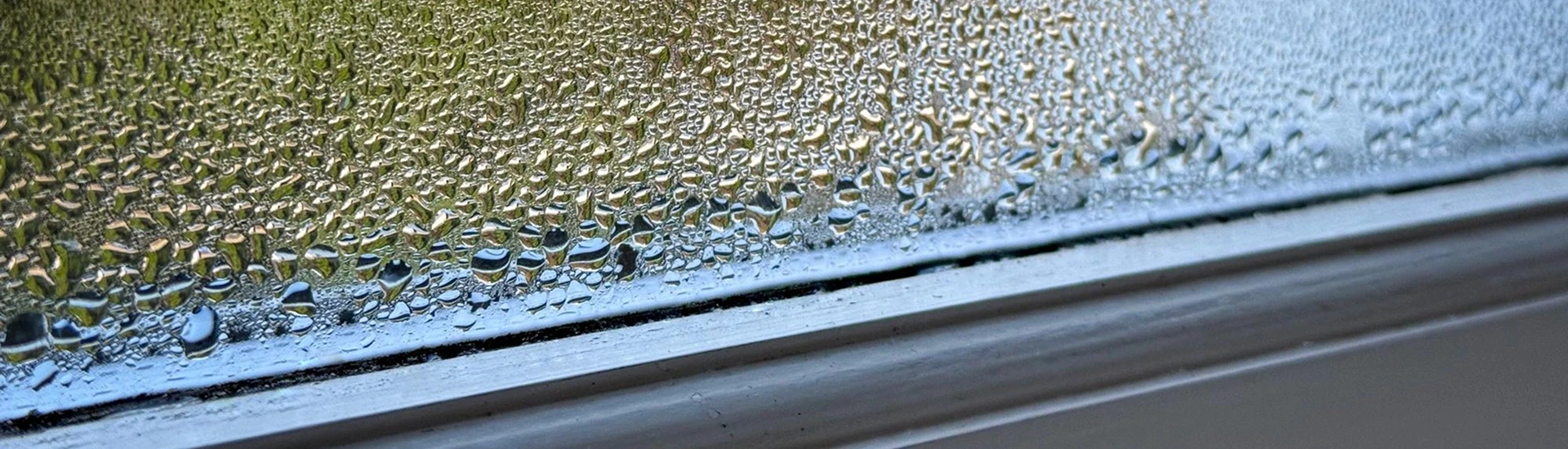
Seal issues are easier to spot in cooler mornings. If you wake up, pull back the blinds, and see a cloudy haze you cannot wipe away, you are likely dealing with foggy windows in Killeen caused by a failed window seal. It’s frustrating because the rest of the window can look “fine,” yet the glass stays milky, streaky, or wet-looking between panes. The good news is you often have more than one option. The smarter choice depends on what failed, how old the window is, and whether the frame and sashes are still in good shape.
This guide walks you through a simple decision process: repair the glass only, replace a sash, or replace the whole window. You’ll also get a homeowner checklist for spotting the cause, plus a real local scenario that shows how pros decide without guesswork.
What “Foggy” Usually Means And Why Cool Mornings Reveal It
There are two different problems homeowners describe as “foggy windows,” and they need different solutions.
Fog On The Inside Surface
If you can wipe it off with a cloth, that’s interior condensation. It usually points to humidity and airflow, not a broken window. Dew point is the temperature air must be cooled to for saturation and condensation to form, so when glass is colder than the surrounding air’s dew point, moisture shows up on the glass.
Fog Between The Panes
If you cannot wipe it off and the haze sits “inside” the window, that’s the classic sign of a failed insulated glass seal (common in double-pane windows). FGIA explains that condensation forms when surface temperature is below the dew point of surrounding air, and their homeowner guidance helps distinguish normal condensation from performance issues.
When Killeen has cooler mornings, the temperature difference between indoor air and window glass is bigger, so seal failures and trapped moisture become more obvious. That’s why foggy windows in Killeen often look worse early in the day, then “change” as the sun warms the glass.
The Most Common Causes Of Fog Between Panes
If your window is double-pane (or triple-pane), the space between panes is sealed and often filled with insulating gas. A spacer system and sealant keep moisture out.
When that seal fails, outside moisture can enter. The window may show:
Persistent haze
Mineral streaks
A “smoky” look that shifts with temperature
Droplets or a fog band around the edges
In the field, the usual root causes include:
Natural aging of seal materials
UV exposure and temperature swings
Frame movement over time
Manufacturing defects (varies by product and age)
Impact stress (hail, debris, or hard slams)
Local note: Central Texas temperature swings can be sneaky. You can have a warm afternoon and a cooler night in the same week. That daily expansion and contraction is tough on seal materials.
First, Do This Quick Homeowner Test
Before you decide on repair or replacement, run these quick checks.
Check One: Can You Wipe It Off?
Wipes off = likely interior condensation
Does not wipe off = likely failed seal (true foggy windows in Killeen case)
Check Two: Is The Fog Worse In The Morning?
Morning-heavy haze often points to a temperature-driven seal issue. Sunlight can temporarily change the look, but it doesn’t fix the seal.
Check Three: Is It One Window Or Many?
One window: could be localized damage or one unit reaching end-of-life first
Several windows: could be age, installation issues, or a home-wide batch aging together
Check Four: Feel For Drafts Around The Frame
Fog between panes is a glass-unit problem. Drafts are usually a weatherstripping or frame sealing problem. You can have both, but it changes the best way.
Repair Vs Replacement: The Real Question You’re Answering
Most homeowners think the decision is “repair is cheaper, replacement is better.” The real question is:
Can you restore clarity and comfort by fixing the glass unit while keeping the existing frame and sash?
If yes, you may not need full replacement.
If not, replacement might be the cleaner long-term path.
That’s the core of this foggy window in Killeen decision guide.
Option One: Glass-Only Replacement
Best When
The frame and sash are solid
The window opens and locks correctly
The fog is clearly between panes
You want clarity without changing the whole window
What Happens
A technician measures the insulated glass unit (IGU) and replaces only the glass pack while keeping the existing frame. This can restore a clear view and improve how the window feels in cooler mornings.
Watch Outs
If the frame is warped or the sash is failing, glass-only replacement may not seat correctly
Matching glass thickness and tint matters for consistent appearance
If multiple windows are failing, you may want a broader plan
For many homeowners dealing with foggy windows in Killeen, glass-only replacement is the “smart middle” when the rest of the window is still performing well.
Option Two: Sash Replacement
Best When
The window is designed with replaceable sashes
The operating part has issues (balance problems, warping, poor seal)
You want a tighter feel without replacing the full frame
What Happens
The sash (the moving portion holding the glass) is replaced, often including a new IGU. This can solve fog plus operation issues.
Watch Outs
Not all window lines support sash replacement
Color and finish matching can be tricky on older windows
Availability can vary by manufacturer and model age
If your foggy windows in Killeen problem comes with sticking, rattling, or worn weatherstripping, sash replacement can be the best “targeted upgrade.”
Option Three: Full Window Replacement
Best When
The frame is damaged, rotted, or warped
Multiple windows are failing and nearing the same age
You have water intrusion at the frame (not just fog)
You want to change window style, size, or function
What Happens
The full unit is removed and replaced, which may include new trim work depending on installation type.
Watch Outs
More labor and interior/exterior finish work
You’ll want to plan for consistent look across the home
You should expect realistic outcomes: clearer glass, better operation, improved comfort near the window, without promising lower bills
For some households, full replacement is the cleanest answer for foggy windows in Killeen, especially when the frame has problems beyond the glass.
What About Defogging Services?
Some services drill tiny holes to “defog” the unit. In plain terms: it may improve appearance temporarily, but it does not restore the original sealed insulated system.
Defogging can be considered when:
You want a short-term cosmetic improvement
Replacement is not possible right now
But if you want a lasting clarity solution for foggy windows in Killeen, glass-unit replacement or sash replacement is usually the more reliable path.
Simple Decision Tree You Can Follow
Use this quick tree (also great as the visual graphic):
Step One: Is The Fog Between Panes?
No → likely condensation management
Yes → go to Step Two
Step Two: Is The Frame And Sash In Good Shape?
Yes → glass-only replacement is often the first option
No → go to Step Three
Step Three: Can The Sash Be Replaced On This Window Line?
Yes → sash replacement
No → full replacement
This keeps the foggy windows in Killeen's decision simple and evidence-based.
A Killeen Homeowner Scenario That Shows How Pros Decide
A homeowner near a high-traffic corridor in Killeen noticed two bedroom windows looked cloudy every morning. They tried cleaning inside and out, changed blinds, and even ran a dehumidifier. Nothing changed. The haze was between panes.
During inspection, the frames were solid and the windows operated smoothly. The fog was limited to two units, likely the first to fail in an older group. The recommendation was glass-only replacement for those two windows, plus a quick check of weatherstripping on the rest.
Result: Clear glass again, fewer cold “radiation” complaints near the bed on cool mornings, and no need to replace perfectly functional frames. That’s a practical win for foggy windows in Killeen homeowners who want a smart fix, not a sales pitch.
Why Exterior Experience Matters For Window Decisions
Big Boy Roofing works on the building envelope, roofing, exterior details, and openings like windows, so our approach is diagnostic.
Here’s why that matters:
Sometimes “window fog” is actually interior condensation from humidity and airflow
Sometimes it’s a true seal failure
Sometimes there’s a small frame leak letting water into trim that needs attention before any glass decision
If you want an expert to walk through your options, visit our Window Service page.
Weather Notes That Help You Understand The Pattern
Killeen and the surrounding area can see quick changes with fronts, even when winters are mild. Temperature swings affect dew point relationships and surface temperatures, which is why haze and condensation patterns show up clearly in the morning. The National Weather Service explains dew point as the temperature air must be cooled to reach 100% relative humidity, which is when condensation can occur.
Quick perspective comparison:
Hailstorms in Huron can leave immediate exterior impacts that force repairs.
Sudden monsoons in Ohio can reveal drainage weaknesses fast.
In Central Texas, the “cool morning reveal” is why foggy windows in Killeen often get noticed in late fall, winter, and early spring.
What You Can Realistically Expect After Each Option
To stay compliant and honest: no guarantees on lower bills.
Here are realistic outcomes homeowners usually care about:
Glass-Only Replacement
Restored clarity
More consistent appearance
Better comfort near that window (often)
Sash Replacement
Restored clarity plus smoother operation
Improved sealing where weatherstripping was worn
Full Replacement
New unit performance, updated look, and improved operation
Opportunity to correct frame-level issues and trim problems
If your goal is primarily “stop looking through a cloudy window,” foggy windows in Killeen often have a straightforward fix once the seal failure is confirmed.
Where To Find Us Locally
If you want directions or prefer to talk with someone face-to-face about window options, you can visit us in Belton, TX. If seal issues are easier to spot on cooler mornings and your glass stays cloudy no matter what you do, it’s time to review options. Book an inspection with Big Boy Roofing to confirm the cause and choose the right path for foggy windows in Killeen.
Book a window inspection to review options.
Frequently Asked Questions
How Do I Know If I Have Foggy Windows in Killeen Or Just Morning Condensation?
If you can wipe the moisture off the inside surface, it’s usually condensation. If it’s trapped between panes and won’t wipe away, it’s typically a seal failure. FGIA’s homeowner guidance explains how condensation forms and how to tell what you’re seeing.
Is Glass-Only Replacement A “Real” Repair?
Yes, when the frame and sash are still in good shape. It’s often the most targeted fix for foggy windows in Killeen that are otherwise operating well.
Should I Replace All My Windows If One Is Foggy?
Not automatically. Start with an inspection. If the windows are the same age, you may create a plan, but many homeowners fix only the failed units first and monitor the rest.
Will New Windows Lower My Utility Bills?
Comfort and clarity are realistic goals. Lower bills can happen in some homes, but it depends on many factors (insulation, HVAC, air sealing, shade, and more). We don’t guarantee bill reductions.
What Should I Take Photos Of Before An Inspection?
Take one close-up showing the haze, one wide shot showing the whole window, and one angle shot in morning light if possible. This helps confirm foggy windows in Killeen versus surface condensation.
Seal issues are easier to spot in cooler mornings. If you wake up, pull back the blinds, and see a cloudy haze you cannot wipe away, you are likely dealing with foggy windows in Killeen caused by a failed window seal. It’s frustrating because the rest of the window can look “fine,” yet the glass stays milky, streaky, or wet-looking between panes. The good news is you often have more than one option. The smarter choice depends on what failed, how old the window is, and whether the frame and sashes are still in good shape.
This guide walks you through a simple decision process: repair the glass only, replace a sash, or replace the whole window. You’ll also get a homeowner checklist for spotting the cause, plus a real local scenario that shows how pros decide without guesswork.
What “Foggy” Usually Means And Why Cool Mornings Reveal It
There are two different problems homeowners describe as “foggy windows,” and they need different solutions.
Fog On The Inside Surface
If you can wipe it off with a cloth, that’s interior condensation. It usually points to humidity and airflow, not a broken window. Dew point is the temperature air must be cooled to for saturation and condensation to form, so when glass is colder than the surrounding air’s dew point, moisture shows up on the glass.
Fog Between The Panes
If you cannot wipe it off and the haze sits “inside” the window, that’s the classic sign of a failed insulated glass seal (common in double-pane windows). FGIA explains that condensation forms when surface temperature is below the dew point of surrounding air, and their homeowner guidance helps distinguish normal condensation from performance issues.
When Killeen has cooler mornings, the temperature difference between indoor air and window glass is bigger, so seal failures and trapped moisture become more obvious. That’s why foggy windows in Killeen often look worse early in the day, then “change” as the sun warms the glass.
The Most Common Causes Of Fog Between Panes
If your window is double-pane (or triple-pane), the space between panes is sealed and often filled with insulating gas. A spacer system and sealant keep moisture out.
When that seal fails, outside moisture can enter. The window may show:
Persistent haze
Mineral streaks
A “smoky” look that shifts with temperature
Droplets or a fog band around the edges
In the field, the usual root causes include:
Natural aging of seal materials
UV exposure and temperature swings
Frame movement over time
Manufacturing defects (varies by product and age)
Impact stress (hail, debris, or hard slams)
Local note: Central Texas temperature swings can be sneaky. You can have a warm afternoon and a cooler night in the same week. That daily expansion and contraction is tough on seal materials.
First, Do This Quick Homeowner Test
Before you decide on repair or replacement, run these quick checks.
Check One: Can You Wipe It Off?
Wipes off = likely interior condensation
Does not wipe off = likely failed seal (true foggy windows in Killeen case)
Check Two: Is The Fog Worse In The Morning?
Morning-heavy haze often points to a temperature-driven seal issue. Sunlight can temporarily change the look, but it doesn’t fix the seal.
Check Three: Is It One Window Or Many?
One window: could be localized damage or one unit reaching end-of-life first
Several windows: could be age, installation issues, or a home-wide batch aging together
Check Four: Feel For Drafts Around The Frame
Fog between panes is a glass-unit problem. Drafts are usually a weatherstripping or frame sealing problem. You can have both, but it changes the best way.
Repair Vs Replacement: The Real Question You’re Answering
Most homeowners think the decision is “repair is cheaper, replacement is better.” The real question is:
Can you restore clarity and comfort by fixing the glass unit while keeping the existing frame and sash?
If yes, you may not need full replacement.
If not, replacement might be the cleaner long-term path.
That’s the core of this foggy window in Killeen decision guide.
Option One: Glass-Only Replacement
Best When
The frame and sash are solid
The window opens and locks correctly
The fog is clearly between panes
You want clarity without changing the whole window
What Happens
A technician measures the insulated glass unit (IGU) and replaces only the glass pack while keeping the existing frame. This can restore a clear view and improve how the window feels in cooler mornings.
Watch Outs
If the frame is warped or the sash is failing, glass-only replacement may not seat correctly
Matching glass thickness and tint matters for consistent appearance
If multiple windows are failing, you may want a broader plan
For many homeowners dealing with foggy windows in Killeen, glass-only replacement is the “smart middle” when the rest of the window is still performing well.
Option Two: Sash Replacement
Best When
The window is designed with replaceable sashes
The operating part has issues (balance problems, warping, poor seal)
You want a tighter feel without replacing the full frame
What Happens
The sash (the moving portion holding the glass) is replaced, often including a new IGU. This can solve fog plus operation issues.
Watch Outs
Not all window lines support sash replacement
Color and finish matching can be tricky on older windows
Availability can vary by manufacturer and model age
If your foggy windows in Killeen problem comes with sticking, rattling, or worn weatherstripping, sash replacement can be the best “targeted upgrade.”
Option Three: Full Window Replacement
Best When
The frame is damaged, rotted, or warped
Multiple windows are failing and nearing the same age
You have water intrusion at the frame (not just fog)
You want to change window style, size, or function
What Happens
The full unit is removed and replaced, which may include new trim work depending on installation type.
Watch Outs
More labor and interior/exterior finish work
You’ll want to plan for consistent look across the home
You should expect realistic outcomes: clearer glass, better operation, improved comfort near the window, without promising lower bills
For some households, full replacement is the cleanest answer for foggy windows in Killeen, especially when the frame has problems beyond the glass.
What About Defogging Services?
Some services drill tiny holes to “defog” the unit. In plain terms: it may improve appearance temporarily, but it does not restore the original sealed insulated system.
Defogging can be considered when:
You want a short-term cosmetic improvement
Replacement is not possible right now
But if you want a lasting clarity solution for foggy windows in Killeen, glass-unit replacement or sash replacement is usually the more reliable path.
Simple Decision Tree You Can Follow
Use this quick tree (also great as the visual graphic):
Step One: Is The Fog Between Panes?
No → likely condensation management
Yes → go to Step Two
Step Two: Is The Frame And Sash In Good Shape?
Yes → glass-only replacement is often the first option
No → go to Step Three
Step Three: Can The Sash Be Replaced On This Window Line?
Yes → sash replacement
No → full replacement
This keeps the foggy windows in Killeen's decision simple and evidence-based.
A Killeen Homeowner Scenario That Shows How Pros Decide
A homeowner near a high-traffic corridor in Killeen noticed two bedroom windows looked cloudy every morning. They tried cleaning inside and out, changed blinds, and even ran a dehumidifier. Nothing changed. The haze was between panes.
During inspection, the frames were solid and the windows operated smoothly. The fog was limited to two units, likely the first to fail in an older group. The recommendation was glass-only replacement for those two windows, plus a quick check of weatherstripping on the rest.
Result: Clear glass again, fewer cold “radiation” complaints near the bed on cool mornings, and no need to replace perfectly functional frames. That’s a practical win for foggy windows in Killeen homeowners who want a smart fix, not a sales pitch.
Why Exterior Experience Matters For Window Decisions
Big Boy Roofing works on the building envelope, roofing, exterior details, and openings like windows, so our approach is diagnostic.
Here’s why that matters:
Sometimes “window fog” is actually interior condensation from humidity and airflow
Sometimes it’s a true seal failure
Sometimes there’s a small frame leak letting water into trim that needs attention before any glass decision
If you want an expert to walk through your options, visit our Window Service page.
Weather Notes That Help You Understand The Pattern
Killeen and the surrounding area can see quick changes with fronts, even when winters are mild. Temperature swings affect dew point relationships and surface temperatures, which is why haze and condensation patterns show up clearly in the morning. The National Weather Service explains dew point as the temperature air must be cooled to reach 100% relative humidity, which is when condensation can occur.
Quick perspective comparison:
Hailstorms in Huron can leave immediate exterior impacts that force repairs.
Sudden monsoons in Ohio can reveal drainage weaknesses fast.
In Central Texas, the “cool morning reveal” is why foggy windows in Killeen often get noticed in late fall, winter, and early spring.
What You Can Realistically Expect After Each Option
To stay compliant and honest: no guarantees on lower bills.
Here are realistic outcomes homeowners usually care about:
Glass-Only Replacement
Restored clarity
More consistent appearance
Better comfort near that window (often)
Sash Replacement
Restored clarity plus smoother operation
Improved sealing where weatherstripping was worn
Full Replacement
New unit performance, updated look, and improved operation
Opportunity to correct frame-level issues and trim problems
If your goal is primarily “stop looking through a cloudy window,” foggy windows in Killeen often have a straightforward fix once the seal failure is confirmed.
Where To Find Us Locally
If you want directions or prefer to talk with someone face-to-face about window options, you can visit us in Belton, TX. If seal issues are easier to spot on cooler mornings and your glass stays cloudy no matter what you do, it’s time to review options. Book an inspection with Big Boy Roofing to confirm the cause and choose the right path for foggy windows in Killeen.
Book a window inspection to review options.
Frequently Asked Questions
How Do I Know If I Have Foggy Windows in Killeen Or Just Morning Condensation?
If you can wipe the moisture off the inside surface, it’s usually condensation. If it’s trapped between panes and won’t wipe away, it’s typically a seal failure. FGIA’s homeowner guidance explains how condensation forms and how to tell what you’re seeing.
Is Glass-Only Replacement A “Real” Repair?
Yes, when the frame and sash are still in good shape. It’s often the most targeted fix for foggy windows in Killeen that are otherwise operating well.
Should I Replace All My Windows If One Is Foggy?
Not automatically. Start with an inspection. If the windows are the same age, you may create a plan, but many homeowners fix only the failed units first and monitor the rest.
Will New Windows Lower My Utility Bills?
Comfort and clarity are realistic goals. Lower bills can happen in some homes, but it depends on many factors (insulation, HVAC, air sealing, shade, and more). We don’t guarantee bill reductions.
What Should I Take Photos Of Before An Inspection?
Take one close-up showing the haze, one wide shot showing the whole window, and one angle shot in morning light if possible. This helps confirm foggy windows in Killeen versus surface condensation.
Seal issues are easier to spot in cooler mornings. If you wake up, pull back the blinds, and see a cloudy haze you cannot wipe away, you are likely dealing with foggy windows in Killeen caused by a failed window seal. It’s frustrating because the rest of the window can look “fine,” yet the glass stays milky, streaky, or wet-looking between panes. The good news is you often have more than one option. The smarter choice depends on what failed, how old the window is, and whether the frame and sashes are still in good shape.
This guide walks you through a simple decision process: repair the glass only, replace a sash, or replace the whole window. You’ll also get a homeowner checklist for spotting the cause, plus a real local scenario that shows how pros decide without guesswork.
What “Foggy” Usually Means And Why Cool Mornings Reveal It
There are two different problems homeowners describe as “foggy windows,” and they need different solutions.
Fog On The Inside Surface
If you can wipe it off with a cloth, that’s interior condensation. It usually points to humidity and airflow, not a broken window. Dew point is the temperature air must be cooled to for saturation and condensation to form, so when glass is colder than the surrounding air’s dew point, moisture shows up on the glass.
Fog Between The Panes
If you cannot wipe it off and the haze sits “inside” the window, that’s the classic sign of a failed insulated glass seal (common in double-pane windows). FGIA explains that condensation forms when surface temperature is below the dew point of surrounding air, and their homeowner guidance helps distinguish normal condensation from performance issues.
When Killeen has cooler mornings, the temperature difference between indoor air and window glass is bigger, so seal failures and trapped moisture become more obvious. That’s why foggy windows in Killeen often look worse early in the day, then “change” as the sun warms the glass.
The Most Common Causes Of Fog Between Panes
If your window is double-pane (or triple-pane), the space between panes is sealed and often filled with insulating gas. A spacer system and sealant keep moisture out.
When that seal fails, outside moisture can enter. The window may show:
Persistent haze
Mineral streaks
A “smoky” look that shifts with temperature
Droplets or a fog band around the edges
In the field, the usual root causes include:
Natural aging of seal materials
UV exposure and temperature swings
Frame movement over time
Manufacturing defects (varies by product and age)
Impact stress (hail, debris, or hard slams)
Local note: Central Texas temperature swings can be sneaky. You can have a warm afternoon and a cooler night in the same week. That daily expansion and contraction is tough on seal materials.
First, Do This Quick Homeowner Test
Before you decide on repair or replacement, run these quick checks.
Check One: Can You Wipe It Off?
Wipes off = likely interior condensation
Does not wipe off = likely failed seal (true foggy windows in Killeen case)
Check Two: Is The Fog Worse In The Morning?
Morning-heavy haze often points to a temperature-driven seal issue. Sunlight can temporarily change the look, but it doesn’t fix the seal.
Check Three: Is It One Window Or Many?
One window: could be localized damage or one unit reaching end-of-life first
Several windows: could be age, installation issues, or a home-wide batch aging together
Check Four: Feel For Drafts Around The Frame
Fog between panes is a glass-unit problem. Drafts are usually a weatherstripping or frame sealing problem. You can have both, but it changes the best way.
Repair Vs Replacement: The Real Question You’re Answering
Most homeowners think the decision is “repair is cheaper, replacement is better.” The real question is:
Can you restore clarity and comfort by fixing the glass unit while keeping the existing frame and sash?
If yes, you may not need full replacement.
If not, replacement might be the cleaner long-term path.
That’s the core of this foggy window in Killeen decision guide.
Option One: Glass-Only Replacement
Best When
The frame and sash are solid
The window opens and locks correctly
The fog is clearly between panes
You want clarity without changing the whole window
What Happens
A technician measures the insulated glass unit (IGU) and replaces only the glass pack while keeping the existing frame. This can restore a clear view and improve how the window feels in cooler mornings.
Watch Outs
If the frame is warped or the sash is failing, glass-only replacement may not seat correctly
Matching glass thickness and tint matters for consistent appearance
If multiple windows are failing, you may want a broader plan
For many homeowners dealing with foggy windows in Killeen, glass-only replacement is the “smart middle” when the rest of the window is still performing well.
Option Two: Sash Replacement
Best When
The window is designed with replaceable sashes
The operating part has issues (balance problems, warping, poor seal)
You want a tighter feel without replacing the full frame
What Happens
The sash (the moving portion holding the glass) is replaced, often including a new IGU. This can solve fog plus operation issues.
Watch Outs
Not all window lines support sash replacement
Color and finish matching can be tricky on older windows
Availability can vary by manufacturer and model age
If your foggy windows in Killeen problem comes with sticking, rattling, or worn weatherstripping, sash replacement can be the best “targeted upgrade.”
Option Three: Full Window Replacement
Best When
The frame is damaged, rotted, or warped
Multiple windows are failing and nearing the same age
You have water intrusion at the frame (not just fog)
You want to change window style, size, or function
What Happens
The full unit is removed and replaced, which may include new trim work depending on installation type.
Watch Outs
More labor and interior/exterior finish work
You’ll want to plan for consistent look across the home
You should expect realistic outcomes: clearer glass, better operation, improved comfort near the window, without promising lower bills
For some households, full replacement is the cleanest answer for foggy windows in Killeen, especially when the frame has problems beyond the glass.
What About Defogging Services?
Some services drill tiny holes to “defog” the unit. In plain terms: it may improve appearance temporarily, but it does not restore the original sealed insulated system.
Defogging can be considered when:
You want a short-term cosmetic improvement
Replacement is not possible right now
But if you want a lasting clarity solution for foggy windows in Killeen, glass-unit replacement or sash replacement is usually the more reliable path.
Simple Decision Tree You Can Follow
Use this quick tree (also great as the visual graphic):
Step One: Is The Fog Between Panes?
No → likely condensation management
Yes → go to Step Two
Step Two: Is The Frame And Sash In Good Shape?
Yes → glass-only replacement is often the first option
No → go to Step Three
Step Three: Can The Sash Be Replaced On This Window Line?
Yes → sash replacement
No → full replacement
This keeps the foggy windows in Killeen's decision simple and evidence-based.
A Killeen Homeowner Scenario That Shows How Pros Decide
A homeowner near a high-traffic corridor in Killeen noticed two bedroom windows looked cloudy every morning. They tried cleaning inside and out, changed blinds, and even ran a dehumidifier. Nothing changed. The haze was between panes.
During inspection, the frames were solid and the windows operated smoothly. The fog was limited to two units, likely the first to fail in an older group. The recommendation was glass-only replacement for those two windows, plus a quick check of weatherstripping on the rest.
Result: Clear glass again, fewer cold “radiation” complaints near the bed on cool mornings, and no need to replace perfectly functional frames. That’s a practical win for foggy windows in Killeen homeowners who want a smart fix, not a sales pitch.
Why Exterior Experience Matters For Window Decisions
Big Boy Roofing works on the building envelope, roofing, exterior details, and openings like windows, so our approach is diagnostic.
Here’s why that matters:
Sometimes “window fog” is actually interior condensation from humidity and airflow
Sometimes it’s a true seal failure
Sometimes there’s a small frame leak letting water into trim that needs attention before any glass decision
If you want an expert to walk through your options, visit our Window Service page.
Weather Notes That Help You Understand The Pattern
Killeen and the surrounding area can see quick changes with fronts, even when winters are mild. Temperature swings affect dew point relationships and surface temperatures, which is why haze and condensation patterns show up clearly in the morning. The National Weather Service explains dew point as the temperature air must be cooled to reach 100% relative humidity, which is when condensation can occur.
Quick perspective comparison:
Hailstorms in Huron can leave immediate exterior impacts that force repairs.
Sudden monsoons in Ohio can reveal drainage weaknesses fast.
In Central Texas, the “cool morning reveal” is why foggy windows in Killeen often get noticed in late fall, winter, and early spring.
What You Can Realistically Expect After Each Option
To stay compliant and honest: no guarantees on lower bills.
Here are realistic outcomes homeowners usually care about:
Glass-Only Replacement
Restored clarity
More consistent appearance
Better comfort near that window (often)
Sash Replacement
Restored clarity plus smoother operation
Improved sealing where weatherstripping was worn
Full Replacement
New unit performance, updated look, and improved operation
Opportunity to correct frame-level issues and trim problems
If your goal is primarily “stop looking through a cloudy window,” foggy windows in Killeen often have a straightforward fix once the seal failure is confirmed.
Where To Find Us Locally
If you want directions or prefer to talk with someone face-to-face about window options, you can visit us in Belton, TX. If seal issues are easier to spot on cooler mornings and your glass stays cloudy no matter what you do, it’s time to review options. Book an inspection with Big Boy Roofing to confirm the cause and choose the right path for foggy windows in Killeen.
Book a window inspection to review options.
Frequently Asked Questions
How Do I Know If I Have Foggy Windows in Killeen Or Just Morning Condensation?
If you can wipe the moisture off the inside surface, it’s usually condensation. If it’s trapped between panes and won’t wipe away, it’s typically a seal failure. FGIA’s homeowner guidance explains how condensation forms and how to tell what you’re seeing.
Is Glass-Only Replacement A “Real” Repair?
Yes, when the frame and sash are still in good shape. It’s often the most targeted fix for foggy windows in Killeen that are otherwise operating well.
Should I Replace All My Windows If One Is Foggy?
Not automatically. Start with an inspection. If the windows are the same age, you may create a plan, but many homeowners fix only the failed units first and monitor the rest.
Will New Windows Lower My Utility Bills?
Comfort and clarity are realistic goals. Lower bills can happen in some homes, but it depends on many factors (insulation, HVAC, air sealing, shade, and more). We don’t guarantee bill reductions.
What Should I Take Photos Of Before An Inspection?
Take one close-up showing the haze, one wide shot showing the whole window, and one angle shot in morning light if possible. This helps confirm foggy windows in Killeen versus surface condensation.
Bigboy Roofing
Bigboy Roofing
Bigboy Roofing
|
|
|
February 26, 2026
February 26, 2026
February 26, 2026
Planning window before spring storm bursts. If you are thinking about exterior painting in Austin, the “when” matters almost as much as the color. Cooler mornings and warmer afternoons can make problems easier to spot, like hairline cracks, failing caulk, and chalky siding. But the same season can also bring quick storm rounds that disrupt drying and leave you stuck in a half-finished job.
This homeowner-first guide is a practical planning checklist. You will learn how Austin’s spring pattern affects paint, how to choose the best window before storms ramp up, and what a professional plan looks like from prep to final walkthrough. You will also get a simple month-by-month way to think about scheduling, plus a local scenario that shows how a smart plan prevents peeling and blotchy sheen.
Why Spring Timing Matters In Austin
Austin sits in a humid subtropical pattern with short, mild winters and warm spring transitions. The National Weather Service climate summary for Austin notes the city averages around 35.5 inches of rainfall per year and lists May, October, and June as the wettest months. That detail alone explains a lot: the closer you get to late spring, the more you are competing with wet spells and high humidity.
Spring also brings stronger thunderstorm potential across Texas. The National Weather Service defines a severe thunderstorm as one producing damaging wind gusts of 58 mph or greater and/or hail one inch in diameter or larger. And NOAA’s National Severe Storms Laboratory explains that most thunderstorms produce straight-line winds as a result of outflow generated by a thunderstorm downdraft. Those gusts are the kind that drive rain sideways, slam debris into siding, and force moisture into tiny gaps at trim and soffits.
For exterior painting in Austin, this creates a clear planning goal: finish your prep and coatings during a stable stretch so paint can cure properly before the next burst of wind-driven rain.
The Three Weather Factors That Make Or Break Exterior Paint
You do not need to be a meteorologist to plan well. Focus on three things that affect almost every exterior coating system.
Temperature Swings
Paint needs predictable conditions to dry and cure. In early spring, Austin can shift from cool mornings to warm afternoons. That can be great for work pace, but it can also cause “surface dry” paint that is not fully cured if a cold night follows too soon.
Planning tip: Aim for a run of days where daytime temps are comfortably mild and nights are not dipping too low.
Humidity And Overnight Moisture
High humidity slows drying and can trap moisture on surfaces. Morning dew can linger on shaded sides of the home, especially near tree cover. You may feel like the wall is dry, but it can still hold surface moisture that affects adhesion.
Planning tip: Schedule work so the morning starts with dry surfaces, not damp siding.
Wind And Blowing Debris
Wind is a double-edged sword. A light breeze helps surfaces dry, but stronger winds carry dust and pollen that can stick to fresh paint. Outflow winds from thunderstorms can arrive fast, which NOAA NSSL notes are common with thunderstorms.
Planning tip: Avoid painting when gusts are high or storms are building nearby.
The Best Time Window For exterior painting in Austin Before Spring Storms
You are not trying to find the “perfect” day. You are trying to find the best window.
Early Spring: The Planning Sweet Spot
In many years, early spring provides milder temps and a better chance of stable stretches. This is when you can:
Wash and dry surfaces fully
Repair trim and caulk lines
Prime exposed areas
Apply finish coats with fewer weather interruptions
Late Spring: Higher Risk, Higher Pace
As you approach May and June, rainfall risk rises in Austin. You can still paint, but the schedule needs more flexibility and faster execution between weather breaks.
Bottom line: If your goal is a smoother job with less stop-and-start, plan exterior painting in Austin earlier rather than later.
A Simple “Month Calendar” Planning Approach
Use this as the logic behind the visual calendar graphic.
February To Early March: Inspection And Prep Planning
Walk the home and note failing caulk, peeling zones, and exposed wood
Identify “problem sides” (north shade, tree-heavy elevations, sprinkler overspray)
Decide whether you need repairs before painting (rot, fascia issues, loose trim)
Mid March To April: Prime Painting Window
Target stable stretches for washing, drying, and coating
Avoid painting right before a forecasted storm line
Build in at least one buffer day for touch-ups
May To Early June: Paint Only With A Tight Plan
Austin’s rainfall peaks in May and June. If you paint during this time:
Keep scope tighter (one elevation at a time)
Prioritize quick dry-time coordination
Avoid leaving exposed primer for days
This planning approach is the heart of exterior painting in Austin done the smart way: fewer surprises, cleaner finish, and less stress.
What To Fix Before You Paint
Paint does not fix building problems. It covers them until they break through again. Here is what experienced exterior crews check first.
Caulk And Seal Failures At Trim
If caulk is split at window trim, corner boards, or fascia joints, water can creep behind paint. That is when you see peeling that looks random but is actually following moisture paths.
Wood Rot At Fascia And Siding Edges
Austin storms and irrigation patterns can keep certain edges damp. If fascia boards are soft, paint will not hold long. Replace or repair the wood first, then prime correctly.
Chalky Or Powdery Surfaces
If you rub siding and get a dusty residue, that is chalking. Paint needs a stable surface, which often means thorough washing and sometimes bonding primer.
Gutter And Roofline Drip Zones
This is where roofing knowledge helps. Overflowing gutters can soak fascia and siding repeatedly. Even a perfect paint job will struggle if water keeps dumping where it should not.
A good exterior painting in Austin plan includes checking those roofline and drainage details before the first coat goes on.
A Local Austin Scenario: The Paint Job That Failed For A Predictable Reason
A homeowner in the Austin area scheduled painting after noticing peeling on the sun-facing side. The prior painter had “touched up” spots, but the peeling returned within a season.
During evaluation, the issue was not only sun exposure. The real problem was a failed caulk at the top of trim boards and a gutter section that overflowed during heavy rain. When thunderstorm outflow winds push rain sideways, water gets driven into those gaps. NOAA notes that straight-line winds from thunderstorm outflow are common. That repeated wetting cycle caused paint to lift from the edges.
The fix was simple but specific:
Repair the gutter drip point
Remove loose paint properly
Re-caulk and seal trim transitions
Prime exposed wood
Apply finish coats during a stable weather window
That is the difference between “painting over it” and a planned exterior painting in Austin project that is built around moisture control.
Practical Prep Steps Homeowners Can Do Without Risk
You do not need to climb or do unsafe work to help the project succeed.
Trim vegetation back so walls can dry faster after rain or dew
Move outdoor items away from the home (grills, planters, patio furniture)
Mark problem areas with painter’s tape at ground level so crews can find them quickly
Note sprinkler spray patterns that hit siding or trim
If you want the paint crew to be efficient, this prep makes a real difference in exterior painting in Austin scheduling and finish quality.
Repair Vs Repaint: How To Decide What You Really Need
A quick rule:
If paint is intact but faded, you may need cleaning and repainting.
If paint is peeling, bubbling, or lifting at edges, you likely need repairs and prep changes first.
If you see staining that could be moisture-related, treat it as an evaluation item, not a paint-only item. Paint is part of the solution, but only after the cause is understood.
Realistic Outcomes Without Overpromising
Per compliance: no lifetime language and no warranty-heavy promises.
Here is what homeowners can realistically expect from well-planned exterior painting in Austin:
A cleaner, more even finish that looks consistent in sunlight and shade
Better protection for trim and siding when prep and priming are done right
Fewer early touch-ups because failures were addressed at the source
Improved curb appeal and a home that feels “maintained,” not patched
We do not guarantee lower utility bills. Comfort can improve around leaky trim or drafty areas when sealing is corrected, but results vary by home.
Service Options With Big Boy Roofing
Big Boy Roofing approaches exterior work with a building-envelope mindset. That means we look at the roofline, gutters, trim, and the surfaces being coated, because they all work together.
If you want to review service details, visit our Painting Service page.
If you prefer to speak with someone in person, you can also visit us in Belton, TX. If you want to beat the spring storm bursts with a clean schedule and the right prep, plan now. Request exterior painting in Austin with Big Boy Roofing and get a clear exterior painting plan and estimate built around timing, moisture control, and a straightforward scope.
Request an exterior painting plan and estimate.
Frequently Asked Questions
When Is The Best Time For Exterior Painting in Austin Before Spring Storms?
Earlier spring is often easier to schedule because you have more stable stretches and fewer rain interruptions. Austin’s climate summary notes May and June are among the wettest months.
How Do Storm Winds Affect Exterior Paint Projects?
Thunderstorm winds can push rain into small gaps at trim and can also blow dust onto fresh paint. NOAA’s NSSL notes most thunderstorms produce straight-line winds from downdraft outflow. Planning around weather windows helps avoid rushed drying and surface contamination.
Should I Paint If I See Peeling Near Windows Or Fascia?
Peeling usually points to prep failure or moisture. The best approach is to identify why that area is staying wet (failed caulk, gutter overflow, wood damage) and fix it before coating.
Do I Need To Repaint The Whole House Or Just One Side?
It depends on sun exposure, chalking, and how consistent you want the finish to look. Many Austin homes have one elevation that fails faster due to sun and wind exposure. A site review helps define a practical scope.
Will New Paint Make My Home “Weatherproof”?
Paint helps protect surfaces, but it is not a cure-all. The best results come from good prep, correct priming, and fixing water paths first. We focus on realistic outcomes, not lifetime-style promises.
Planning window before spring storm bursts. If you are thinking about exterior painting in Austin, the “when” matters almost as much as the color. Cooler mornings and warmer afternoons can make problems easier to spot, like hairline cracks, failing caulk, and chalky siding. But the same season can also bring quick storm rounds that disrupt drying and leave you stuck in a half-finished job.
This homeowner-first guide is a practical planning checklist. You will learn how Austin’s spring pattern affects paint, how to choose the best window before storms ramp up, and what a professional plan looks like from prep to final walkthrough. You will also get a simple month-by-month way to think about scheduling, plus a local scenario that shows how a smart plan prevents peeling and blotchy sheen.
Why Spring Timing Matters In Austin
Austin sits in a humid subtropical pattern with short, mild winters and warm spring transitions. The National Weather Service climate summary for Austin notes the city averages around 35.5 inches of rainfall per year and lists May, October, and June as the wettest months. That detail alone explains a lot: the closer you get to late spring, the more you are competing with wet spells and high humidity.
Spring also brings stronger thunderstorm potential across Texas. The National Weather Service defines a severe thunderstorm as one producing damaging wind gusts of 58 mph or greater and/or hail one inch in diameter or larger. And NOAA’s National Severe Storms Laboratory explains that most thunderstorms produce straight-line winds as a result of outflow generated by a thunderstorm downdraft. Those gusts are the kind that drive rain sideways, slam debris into siding, and force moisture into tiny gaps at trim and soffits.
For exterior painting in Austin, this creates a clear planning goal: finish your prep and coatings during a stable stretch so paint can cure properly before the next burst of wind-driven rain.
The Three Weather Factors That Make Or Break Exterior Paint
You do not need to be a meteorologist to plan well. Focus on three things that affect almost every exterior coating system.
Temperature Swings
Paint needs predictable conditions to dry and cure. In early spring, Austin can shift from cool mornings to warm afternoons. That can be great for work pace, but it can also cause “surface dry” paint that is not fully cured if a cold night follows too soon.
Planning tip: Aim for a run of days where daytime temps are comfortably mild and nights are not dipping too low.
Humidity And Overnight Moisture
High humidity slows drying and can trap moisture on surfaces. Morning dew can linger on shaded sides of the home, especially near tree cover. You may feel like the wall is dry, but it can still hold surface moisture that affects adhesion.
Planning tip: Schedule work so the morning starts with dry surfaces, not damp siding.
Wind And Blowing Debris
Wind is a double-edged sword. A light breeze helps surfaces dry, but stronger winds carry dust and pollen that can stick to fresh paint. Outflow winds from thunderstorms can arrive fast, which NOAA NSSL notes are common with thunderstorms.
Planning tip: Avoid painting when gusts are high or storms are building nearby.
The Best Time Window For exterior painting in Austin Before Spring Storms
You are not trying to find the “perfect” day. You are trying to find the best window.
Early Spring: The Planning Sweet Spot
In many years, early spring provides milder temps and a better chance of stable stretches. This is when you can:
Wash and dry surfaces fully
Repair trim and caulk lines
Prime exposed areas
Apply finish coats with fewer weather interruptions
Late Spring: Higher Risk, Higher Pace
As you approach May and June, rainfall risk rises in Austin. You can still paint, but the schedule needs more flexibility and faster execution between weather breaks.
Bottom line: If your goal is a smoother job with less stop-and-start, plan exterior painting in Austin earlier rather than later.
A Simple “Month Calendar” Planning Approach
Use this as the logic behind the visual calendar graphic.
February To Early March: Inspection And Prep Planning
Walk the home and note failing caulk, peeling zones, and exposed wood
Identify “problem sides” (north shade, tree-heavy elevations, sprinkler overspray)
Decide whether you need repairs before painting (rot, fascia issues, loose trim)
Mid March To April: Prime Painting Window
Target stable stretches for washing, drying, and coating
Avoid painting right before a forecasted storm line
Build in at least one buffer day for touch-ups
May To Early June: Paint Only With A Tight Plan
Austin’s rainfall peaks in May and June. If you paint during this time:
Keep scope tighter (one elevation at a time)
Prioritize quick dry-time coordination
Avoid leaving exposed primer for days
This planning approach is the heart of exterior painting in Austin done the smart way: fewer surprises, cleaner finish, and less stress.
What To Fix Before You Paint
Paint does not fix building problems. It covers them until they break through again. Here is what experienced exterior crews check first.
Caulk And Seal Failures At Trim
If caulk is split at window trim, corner boards, or fascia joints, water can creep behind paint. That is when you see peeling that looks random but is actually following moisture paths.
Wood Rot At Fascia And Siding Edges
Austin storms and irrigation patterns can keep certain edges damp. If fascia boards are soft, paint will not hold long. Replace or repair the wood first, then prime correctly.
Chalky Or Powdery Surfaces
If you rub siding and get a dusty residue, that is chalking. Paint needs a stable surface, which often means thorough washing and sometimes bonding primer.
Gutter And Roofline Drip Zones
This is where roofing knowledge helps. Overflowing gutters can soak fascia and siding repeatedly. Even a perfect paint job will struggle if water keeps dumping where it should not.
A good exterior painting in Austin plan includes checking those roofline and drainage details before the first coat goes on.
A Local Austin Scenario: The Paint Job That Failed For A Predictable Reason
A homeowner in the Austin area scheduled painting after noticing peeling on the sun-facing side. The prior painter had “touched up” spots, but the peeling returned within a season.
During evaluation, the issue was not only sun exposure. The real problem was a failed caulk at the top of trim boards and a gutter section that overflowed during heavy rain. When thunderstorm outflow winds push rain sideways, water gets driven into those gaps. NOAA notes that straight-line winds from thunderstorm outflow are common. That repeated wetting cycle caused paint to lift from the edges.
The fix was simple but specific:
Repair the gutter drip point
Remove loose paint properly
Re-caulk and seal trim transitions
Prime exposed wood
Apply finish coats during a stable weather window
That is the difference between “painting over it” and a planned exterior painting in Austin project that is built around moisture control.
Practical Prep Steps Homeowners Can Do Without Risk
You do not need to climb or do unsafe work to help the project succeed.
Trim vegetation back so walls can dry faster after rain or dew
Move outdoor items away from the home (grills, planters, patio furniture)
Mark problem areas with painter’s tape at ground level so crews can find them quickly
Note sprinkler spray patterns that hit siding or trim
If you want the paint crew to be efficient, this prep makes a real difference in exterior painting in Austin scheduling and finish quality.
Repair Vs Repaint: How To Decide What You Really Need
A quick rule:
If paint is intact but faded, you may need cleaning and repainting.
If paint is peeling, bubbling, or lifting at edges, you likely need repairs and prep changes first.
If you see staining that could be moisture-related, treat it as an evaluation item, not a paint-only item. Paint is part of the solution, but only after the cause is understood.
Realistic Outcomes Without Overpromising
Per compliance: no lifetime language and no warranty-heavy promises.
Here is what homeowners can realistically expect from well-planned exterior painting in Austin:
A cleaner, more even finish that looks consistent in sunlight and shade
Better protection for trim and siding when prep and priming are done right
Fewer early touch-ups because failures were addressed at the source
Improved curb appeal and a home that feels “maintained,” not patched
We do not guarantee lower utility bills. Comfort can improve around leaky trim or drafty areas when sealing is corrected, but results vary by home.
Service Options With Big Boy Roofing
Big Boy Roofing approaches exterior work with a building-envelope mindset. That means we look at the roofline, gutters, trim, and the surfaces being coated, because they all work together.
If you want to review service details, visit our Painting Service page.
If you prefer to speak with someone in person, you can also visit us in Belton, TX. If you want to beat the spring storm bursts with a clean schedule and the right prep, plan now. Request exterior painting in Austin with Big Boy Roofing and get a clear exterior painting plan and estimate built around timing, moisture control, and a straightforward scope.
Request an exterior painting plan and estimate.
Frequently Asked Questions
When Is The Best Time For Exterior Painting in Austin Before Spring Storms?
Earlier spring is often easier to schedule because you have more stable stretches and fewer rain interruptions. Austin’s climate summary notes May and June are among the wettest months.
How Do Storm Winds Affect Exterior Paint Projects?
Thunderstorm winds can push rain into small gaps at trim and can also blow dust onto fresh paint. NOAA’s NSSL notes most thunderstorms produce straight-line winds from downdraft outflow. Planning around weather windows helps avoid rushed drying and surface contamination.
Should I Paint If I See Peeling Near Windows Or Fascia?
Peeling usually points to prep failure or moisture. The best approach is to identify why that area is staying wet (failed caulk, gutter overflow, wood damage) and fix it before coating.
Do I Need To Repaint The Whole House Or Just One Side?
It depends on sun exposure, chalking, and how consistent you want the finish to look. Many Austin homes have one elevation that fails faster due to sun and wind exposure. A site review helps define a practical scope.
Will New Paint Make My Home “Weatherproof”?
Paint helps protect surfaces, but it is not a cure-all. The best results come from good prep, correct priming, and fixing water paths first. We focus on realistic outcomes, not lifetime-style promises.
Planning window before spring storm bursts. If you are thinking about exterior painting in Austin, the “when” matters almost as much as the color. Cooler mornings and warmer afternoons can make problems easier to spot, like hairline cracks, failing caulk, and chalky siding. But the same season can also bring quick storm rounds that disrupt drying and leave you stuck in a half-finished job.
This homeowner-first guide is a practical planning checklist. You will learn how Austin’s spring pattern affects paint, how to choose the best window before storms ramp up, and what a professional plan looks like from prep to final walkthrough. You will also get a simple month-by-month way to think about scheduling, plus a local scenario that shows how a smart plan prevents peeling and blotchy sheen.
Why Spring Timing Matters In Austin
Austin sits in a humid subtropical pattern with short, mild winters and warm spring transitions. The National Weather Service climate summary for Austin notes the city averages around 35.5 inches of rainfall per year and lists May, October, and June as the wettest months. That detail alone explains a lot: the closer you get to late spring, the more you are competing with wet spells and high humidity.
Spring also brings stronger thunderstorm potential across Texas. The National Weather Service defines a severe thunderstorm as one producing damaging wind gusts of 58 mph or greater and/or hail one inch in diameter or larger. And NOAA’s National Severe Storms Laboratory explains that most thunderstorms produce straight-line winds as a result of outflow generated by a thunderstorm downdraft. Those gusts are the kind that drive rain sideways, slam debris into siding, and force moisture into tiny gaps at trim and soffits.
For exterior painting in Austin, this creates a clear planning goal: finish your prep and coatings during a stable stretch so paint can cure properly before the next burst of wind-driven rain.
The Three Weather Factors That Make Or Break Exterior Paint
You do not need to be a meteorologist to plan well. Focus on three things that affect almost every exterior coating system.
Temperature Swings
Paint needs predictable conditions to dry and cure. In early spring, Austin can shift from cool mornings to warm afternoons. That can be great for work pace, but it can also cause “surface dry” paint that is not fully cured if a cold night follows too soon.
Planning tip: Aim for a run of days where daytime temps are comfortably mild and nights are not dipping too low.
Humidity And Overnight Moisture
High humidity slows drying and can trap moisture on surfaces. Morning dew can linger on shaded sides of the home, especially near tree cover. You may feel like the wall is dry, but it can still hold surface moisture that affects adhesion.
Planning tip: Schedule work so the morning starts with dry surfaces, not damp siding.
Wind And Blowing Debris
Wind is a double-edged sword. A light breeze helps surfaces dry, but stronger winds carry dust and pollen that can stick to fresh paint. Outflow winds from thunderstorms can arrive fast, which NOAA NSSL notes are common with thunderstorms.
Planning tip: Avoid painting when gusts are high or storms are building nearby.
The Best Time Window For exterior painting in Austin Before Spring Storms
You are not trying to find the “perfect” day. You are trying to find the best window.
Early Spring: The Planning Sweet Spot
In many years, early spring provides milder temps and a better chance of stable stretches. This is when you can:
Wash and dry surfaces fully
Repair trim and caulk lines
Prime exposed areas
Apply finish coats with fewer weather interruptions
Late Spring: Higher Risk, Higher Pace
As you approach May and June, rainfall risk rises in Austin. You can still paint, but the schedule needs more flexibility and faster execution between weather breaks.
Bottom line: If your goal is a smoother job with less stop-and-start, plan exterior painting in Austin earlier rather than later.
A Simple “Month Calendar” Planning Approach
Use this as the logic behind the visual calendar graphic.
February To Early March: Inspection And Prep Planning
Walk the home and note failing caulk, peeling zones, and exposed wood
Identify “problem sides” (north shade, tree-heavy elevations, sprinkler overspray)
Decide whether you need repairs before painting (rot, fascia issues, loose trim)
Mid March To April: Prime Painting Window
Target stable stretches for washing, drying, and coating
Avoid painting right before a forecasted storm line
Build in at least one buffer day for touch-ups
May To Early June: Paint Only With A Tight Plan
Austin’s rainfall peaks in May and June. If you paint during this time:
Keep scope tighter (one elevation at a time)
Prioritize quick dry-time coordination
Avoid leaving exposed primer for days
This planning approach is the heart of exterior painting in Austin done the smart way: fewer surprises, cleaner finish, and less stress.
What To Fix Before You Paint
Paint does not fix building problems. It covers them until they break through again. Here is what experienced exterior crews check first.
Caulk And Seal Failures At Trim
If caulk is split at window trim, corner boards, or fascia joints, water can creep behind paint. That is when you see peeling that looks random but is actually following moisture paths.
Wood Rot At Fascia And Siding Edges
Austin storms and irrigation patterns can keep certain edges damp. If fascia boards are soft, paint will not hold long. Replace or repair the wood first, then prime correctly.
Chalky Or Powdery Surfaces
If you rub siding and get a dusty residue, that is chalking. Paint needs a stable surface, which often means thorough washing and sometimes bonding primer.
Gutter And Roofline Drip Zones
This is where roofing knowledge helps. Overflowing gutters can soak fascia and siding repeatedly. Even a perfect paint job will struggle if water keeps dumping where it should not.
A good exterior painting in Austin plan includes checking those roofline and drainage details before the first coat goes on.
A Local Austin Scenario: The Paint Job That Failed For A Predictable Reason
A homeowner in the Austin area scheduled painting after noticing peeling on the sun-facing side. The prior painter had “touched up” spots, but the peeling returned within a season.
During evaluation, the issue was not only sun exposure. The real problem was a failed caulk at the top of trim boards and a gutter section that overflowed during heavy rain. When thunderstorm outflow winds push rain sideways, water gets driven into those gaps. NOAA notes that straight-line winds from thunderstorm outflow are common. That repeated wetting cycle caused paint to lift from the edges.
The fix was simple but specific:
Repair the gutter drip point
Remove loose paint properly
Re-caulk and seal trim transitions
Prime exposed wood
Apply finish coats during a stable weather window
That is the difference between “painting over it” and a planned exterior painting in Austin project that is built around moisture control.
Practical Prep Steps Homeowners Can Do Without Risk
You do not need to climb or do unsafe work to help the project succeed.
Trim vegetation back so walls can dry faster after rain or dew
Move outdoor items away from the home (grills, planters, patio furniture)
Mark problem areas with painter’s tape at ground level so crews can find them quickly
Note sprinkler spray patterns that hit siding or trim
If you want the paint crew to be efficient, this prep makes a real difference in exterior painting in Austin scheduling and finish quality.
Repair Vs Repaint: How To Decide What You Really Need
A quick rule:
If paint is intact but faded, you may need cleaning and repainting.
If paint is peeling, bubbling, or lifting at edges, you likely need repairs and prep changes first.
If you see staining that could be moisture-related, treat it as an evaluation item, not a paint-only item. Paint is part of the solution, but only after the cause is understood.
Realistic Outcomes Without Overpromising
Per compliance: no lifetime language and no warranty-heavy promises.
Here is what homeowners can realistically expect from well-planned exterior painting in Austin:
A cleaner, more even finish that looks consistent in sunlight and shade
Better protection for trim and siding when prep and priming are done right
Fewer early touch-ups because failures were addressed at the source
Improved curb appeal and a home that feels “maintained,” not patched
We do not guarantee lower utility bills. Comfort can improve around leaky trim or drafty areas when sealing is corrected, but results vary by home.
Service Options With Big Boy Roofing
Big Boy Roofing approaches exterior work with a building-envelope mindset. That means we look at the roofline, gutters, trim, and the surfaces being coated, because they all work together.
If you want to review service details, visit our Painting Service page.
If you prefer to speak with someone in person, you can also visit us in Belton, TX. If you want to beat the spring storm bursts with a clean schedule and the right prep, plan now. Request exterior painting in Austin with Big Boy Roofing and get a clear exterior painting plan and estimate built around timing, moisture control, and a straightforward scope.
Request an exterior painting plan and estimate.
Frequently Asked Questions
When Is The Best Time For Exterior Painting in Austin Before Spring Storms?
Earlier spring is often easier to schedule because you have more stable stretches and fewer rain interruptions. Austin’s climate summary notes May and June are among the wettest months.
How Do Storm Winds Affect Exterior Paint Projects?
Thunderstorm winds can push rain into small gaps at trim and can also blow dust onto fresh paint. NOAA’s NSSL notes most thunderstorms produce straight-line winds from downdraft outflow. Planning around weather windows helps avoid rushed drying and surface contamination.
Should I Paint If I See Peeling Near Windows Or Fascia?
Peeling usually points to prep failure or moisture. The best approach is to identify why that area is staying wet (failed caulk, gutter overflow, wood damage) and fix it before coating.
Do I Need To Repaint The Whole House Or Just One Side?
It depends on sun exposure, chalking, and how consistent you want the finish to look. Many Austin homes have one elevation that fails faster due to sun and wind exposure. A site review helps define a practical scope.
Will New Paint Make My Home “Weatherproof”?
Paint helps protect surfaces, but it is not a cure-all. The best results come from good prep, correct priming, and fixing water paths first. We focus on realistic outcomes, not lifetime-style promises.

Bigboy Roofing
Bigboy Roofing
Bigboy Roofing
|
|
|
February 26, 2026
February 26, 2026
February 26, 2026
Sudden leaks after winter fronts can feel like they come out of nowhere. One minute the house sounds normal, then you hear a soft drip in the hallway, see a ceiling stain spreading, or notice water beading at a light fixture. If you’re dealing with emergency roof repair in Belton, the goal in the first hour is not a perfect fix. The goal is safety, damage control, and clear documentation so a roofer can trace the source and write a repair scope.
Belton sits in the same Central Texas weather pattern that can flip fast. When cold air pushes in, wind can rise and temperatures can dip hard enough to stress roof details. The National Weather Service office that covers the region often calls out impacts like below-freezing stretches for the Waco–Temple–Killeen area during arctic intrusions. Those shifts matter because small weak points can open up, and wind-driven rain can push water where calm rain never reaches. Straight-line thunderstorm winds are also a common hazard, caused by storm outflow.
Below is a step-by-step plan you can follow without climbing on the roof.
Start Here: What Counts As A Roofing Emergency
A “roofing emergency” usually means water is actively entering the home or the roof system is at risk of fast worsening. Common examples:
Active dripping or water running down walls
Ceiling bulging or sagging drywall
Water near electrical fixtures, outlets, or the breaker panel
A tree limb impact or visible opening from the ground
Shingles or metal pieces found in the yard after high winds
If any of these are happening, treat it as emergency roof repair in Belton and move to the safety steps below.
The First 30 Minutes Checklist
This is the fast, calm checklist licensed roofers want homeowners to follow because it prevents injuries and limits interior damage.
Step One: Protect People First
Keep kids and pets out of the wet area
Move furniture and valuables away from the leak path
Put towels down where traffic might slip
Step Two: Protect Electrical Safety
If water is near lights, ceiling fans, outlets, or electronics:
Turn off the light switch to that area
If you see water at a fixture or hear buzzing, shut off power to the affected circuit at the breaker (if you can do so safely)
Do not touch wet drywall near electrical points
Step Three: Catch And Control Water
Place a bucket under drips
If the ceiling is bulging, do not poke it near wiring or fixtures
Use towels to slow water spread toward baseboards
Step Four: Document What You See
Take quick photos and short videos:
The interior leak location (wide shot + close-up)
Any staining or bubbling paint
The attic area if it is safely accessible (only if you can stand on framing safely and see clearly)
Step Five: Call For Help
At this point, you’re ready to call Big Boy Roofing for emergency roof repair in Belton and damage control. You’ve done the most important homeowner tasks without risking a fall.
What Not To Do During An Emergency
This part matters because the wrong move can turn one leak into two.
Do not walk on the roof, especially in rain, wind, or darkness
Do not climb a ladder in gusty conditions
Do not smear random caulk on shingles or flashing
Do not assume the leak is directly above the stain (water often travels)
Why Winter Fronts Trigger Leaks In Belton
Winter fronts in Central Texas often arrive with wind, quick temperature drops, and bands of rain. Those conditions expose hidden entry points:
Wind pushes rain sideways into flashing laps and roof-to-wall lines
Cold temperature swings can stiffen materials and open tiny gaps
Debris can shift into valleys and slow drainage
Older vent boots and seals can crack under stress
NSSL notes that many thunderstorms produce straight-line winds from outflow, which can be strong enough to damage structures and shift roofing materials. When that wind is paired with rain, it can force water into areas that normally stay dry.
Step-By-Step: What To Do In The First Day
Once the immediate drip is contained, these steps set you up for a clean repair plan.
Step One: Track The Leak Pattern
Write down:
When the leak started
What the weather was doing (windy, heavy rain, cold front)
Which room and which corner is affected
Whether it worsens during gusts
These details help a roofer trace the entry point faster, which is the core of emergency roof repair in Belton done correctly.
Step Two: Check The Attic Only If It’s Safe
If you can safely access the attic:
Use a flashlight
Look for dark wood staining, wet insulation, or dripping nail tips
Follow the wet trail uphill if visible, but do not crawl into unsafe areas
If the attic is tight, dark, or you’re unsure where to step, stop. It’s not worth an injury.
Step Three: Limit Interior Moisture
Run a fan in the room (pointed away from wet drywall dust)
If carpeting is wet, lift edges slightly and place towels under the lip
Keep air moving to reduce lingering dampness
No medical or mold claims here—this is just basic damage control and comfort.
Step Four: Prepare For A Roofer Visit
Gather:
Your photos and notes
Any roof history you know (age, past repairs, past leaks)
A list of areas that leaked or stained
What A Professional Emergency Visit Should Look Like
Homeowners often worry that “emergency service” means a rushed patch with no plan. The better approach is controlled damage control plus documentation.
A quality emergency roof repair in Belton visit typically includes:
Safe exterior evaluation from appropriate access points
Leak tracing logic based on water path, not guesses
Photo documentation of suspected entry points
A written repair scope that explains what will be repaired and why
If you want to see how Big Boy Roofing approaches urgent service, visit our Emergency Roofing page.
A Belton Customer Scenario: The Leak That Showed Up In The Wrong Room
A homeowner near the Belton Lake area called after a winter front brought gusty rain. The leak showed up in a hallway ceiling, but the hallway sits away from obvious roof penetrations.
During the assessment, the attic showed damp insulation closer to a bathroom vent line. Wind-driven rain had pushed water into a worn vent boot area. The water ran along the underside of the roof decking, hit a framing member, and traveled before dropping into the hallway ceiling.
That’s why emergency roof repair in Belton is more than “find the drip and patch above it.” The visible spot is often the last place water shows itself.
If Insurance Comes Up, Keep It Documentation-Only
If you plan to speak with your insurance company, here’s the safe, compliant approach:
Document the damage with photos and dates
Get a written repair scope and clear notes
Keep communication factual and specific
Big Boy Roofing focuses on documentation and repair scope. No claim negotiation. No coverage promises.
The Next Week: How To Prevent A Repeat Leak
After the immediate issue is controlled, your next goal is preventing the next storm from reopening the same entry point.
Recheck The Interior After The Next Rain
Look for new staining edges
Check the attic insulation in the same area (if safe)
Note whether wind direction seems tied to the leak
Watch For “Delayed” Signs
Sometimes water shows up later as:
Paint bubbling
Trim swelling
A faint odor near the ceiling line
These are signals to follow up on emergency roof repair in Belton with a more complete repair if the first visit was damage control only.
Local Notes That Matter In Belton
Belton homes often share a few practical realities:
Mature trees that drop limbs during gusts
Wind exposure along open corridors and higher elevations
Fast weather swings tied to regional fronts
The National Weather Service also provides detailed climate summaries and wind data for the Waco area, which helps explain why wind and weather variability are part of the local pattern.
If you want directions or prefer to speak with someone locally, you can visit us in Belton, TX. Sudden leaks after winter fronts are stressful, but the right steps make a big difference. If you need emergency roof repair in Belton, contact Big Boy Roofing for emergency help and damage control.
Call for emergency roofing help and damage control.
Frequently Asked Questions
How Fast Should I Call For Emergency Roof Repair in Belton?
Call as soon as you confirm active water entry, ceiling bulging, or water near electrical points. The sooner you contain and document, the less interior damage tends to spread.
Should I Put A Tarp On The Roof Myself?
No. For safety reasons, avoid roof-walking and ladder work during wet or windy conditions. Focus on interior containment and documentation, then call for emergency roof repair in Belton support.
Why Did The Leak Start Right After A Winter Front?
Fronts can bring wind and fast temperature drops that stress roof seals and push rain into flashing or vent areas. Straight-line winds from thunderstorms are common and can shift roofing materials.
Will You Work With Insurance?
We can provide documentation, photos, and a written scope. We do not promise coverage outcomes and we do not negotiate claims. The focus is accurate scope and repair work.
What Should I Take Photos Of?
The leak location, any ceiling or wall stains, wet insulation (if safely visible), and any exterior debris found on the ground. These photos support emergency roof repair in Belton leak tracing and written scope.
Sudden leaks after winter fronts can feel like they come out of nowhere. One minute the house sounds normal, then you hear a soft drip in the hallway, see a ceiling stain spreading, or notice water beading at a light fixture. If you’re dealing with emergency roof repair in Belton, the goal in the first hour is not a perfect fix. The goal is safety, damage control, and clear documentation so a roofer can trace the source and write a repair scope.
Belton sits in the same Central Texas weather pattern that can flip fast. When cold air pushes in, wind can rise and temperatures can dip hard enough to stress roof details. The National Weather Service office that covers the region often calls out impacts like below-freezing stretches for the Waco–Temple–Killeen area during arctic intrusions. Those shifts matter because small weak points can open up, and wind-driven rain can push water where calm rain never reaches. Straight-line thunderstorm winds are also a common hazard, caused by storm outflow.
Below is a step-by-step plan you can follow without climbing on the roof.
Start Here: What Counts As A Roofing Emergency
A “roofing emergency” usually means water is actively entering the home or the roof system is at risk of fast worsening. Common examples:
Active dripping or water running down walls
Ceiling bulging or sagging drywall
Water near electrical fixtures, outlets, or the breaker panel
A tree limb impact or visible opening from the ground
Shingles or metal pieces found in the yard after high winds
If any of these are happening, treat it as emergency roof repair in Belton and move to the safety steps below.
The First 30 Minutes Checklist
This is the fast, calm checklist licensed roofers want homeowners to follow because it prevents injuries and limits interior damage.
Step One: Protect People First
Keep kids and pets out of the wet area
Move furniture and valuables away from the leak path
Put towels down where traffic might slip
Step Two: Protect Electrical Safety
If water is near lights, ceiling fans, outlets, or electronics:
Turn off the light switch to that area
If you see water at a fixture or hear buzzing, shut off power to the affected circuit at the breaker (if you can do so safely)
Do not touch wet drywall near electrical points
Step Three: Catch And Control Water
Place a bucket under drips
If the ceiling is bulging, do not poke it near wiring or fixtures
Use towels to slow water spread toward baseboards
Step Four: Document What You See
Take quick photos and short videos:
The interior leak location (wide shot + close-up)
Any staining or bubbling paint
The attic area if it is safely accessible (only if you can stand on framing safely and see clearly)
Step Five: Call For Help
At this point, you’re ready to call Big Boy Roofing for emergency roof repair in Belton and damage control. You’ve done the most important homeowner tasks without risking a fall.
What Not To Do During An Emergency
This part matters because the wrong move can turn one leak into two.
Do not walk on the roof, especially in rain, wind, or darkness
Do not climb a ladder in gusty conditions
Do not smear random caulk on shingles or flashing
Do not assume the leak is directly above the stain (water often travels)
Why Winter Fronts Trigger Leaks In Belton
Winter fronts in Central Texas often arrive with wind, quick temperature drops, and bands of rain. Those conditions expose hidden entry points:
Wind pushes rain sideways into flashing laps and roof-to-wall lines
Cold temperature swings can stiffen materials and open tiny gaps
Debris can shift into valleys and slow drainage
Older vent boots and seals can crack under stress
NSSL notes that many thunderstorms produce straight-line winds from outflow, which can be strong enough to damage structures and shift roofing materials. When that wind is paired with rain, it can force water into areas that normally stay dry.
Step-By-Step: What To Do In The First Day
Once the immediate drip is contained, these steps set you up for a clean repair plan.
Step One: Track The Leak Pattern
Write down:
When the leak started
What the weather was doing (windy, heavy rain, cold front)
Which room and which corner is affected
Whether it worsens during gusts
These details help a roofer trace the entry point faster, which is the core of emergency roof repair in Belton done correctly.
Step Two: Check The Attic Only If It’s Safe
If you can safely access the attic:
Use a flashlight
Look for dark wood staining, wet insulation, or dripping nail tips
Follow the wet trail uphill if visible, but do not crawl into unsafe areas
If the attic is tight, dark, or you’re unsure where to step, stop. It’s not worth an injury.
Step Three: Limit Interior Moisture
Run a fan in the room (pointed away from wet drywall dust)
If carpeting is wet, lift edges slightly and place towels under the lip
Keep air moving to reduce lingering dampness
No medical or mold claims here—this is just basic damage control and comfort.
Step Four: Prepare For A Roofer Visit
Gather:
Your photos and notes
Any roof history you know (age, past repairs, past leaks)
A list of areas that leaked or stained
What A Professional Emergency Visit Should Look Like
Homeowners often worry that “emergency service” means a rushed patch with no plan. The better approach is controlled damage control plus documentation.
A quality emergency roof repair in Belton visit typically includes:
Safe exterior evaluation from appropriate access points
Leak tracing logic based on water path, not guesses
Photo documentation of suspected entry points
A written repair scope that explains what will be repaired and why
If you want to see how Big Boy Roofing approaches urgent service, visit our Emergency Roofing page.
A Belton Customer Scenario: The Leak That Showed Up In The Wrong Room
A homeowner near the Belton Lake area called after a winter front brought gusty rain. The leak showed up in a hallway ceiling, but the hallway sits away from obvious roof penetrations.
During the assessment, the attic showed damp insulation closer to a bathroom vent line. Wind-driven rain had pushed water into a worn vent boot area. The water ran along the underside of the roof decking, hit a framing member, and traveled before dropping into the hallway ceiling.
That’s why emergency roof repair in Belton is more than “find the drip and patch above it.” The visible spot is often the last place water shows itself.
If Insurance Comes Up, Keep It Documentation-Only
If you plan to speak with your insurance company, here’s the safe, compliant approach:
Document the damage with photos and dates
Get a written repair scope and clear notes
Keep communication factual and specific
Big Boy Roofing focuses on documentation and repair scope. No claim negotiation. No coverage promises.
The Next Week: How To Prevent A Repeat Leak
After the immediate issue is controlled, your next goal is preventing the next storm from reopening the same entry point.
Recheck The Interior After The Next Rain
Look for new staining edges
Check the attic insulation in the same area (if safe)
Note whether wind direction seems tied to the leak
Watch For “Delayed” Signs
Sometimes water shows up later as:
Paint bubbling
Trim swelling
A faint odor near the ceiling line
These are signals to follow up on emergency roof repair in Belton with a more complete repair if the first visit was damage control only.
Local Notes That Matter In Belton
Belton homes often share a few practical realities:
Mature trees that drop limbs during gusts
Wind exposure along open corridors and higher elevations
Fast weather swings tied to regional fronts
The National Weather Service also provides detailed climate summaries and wind data for the Waco area, which helps explain why wind and weather variability are part of the local pattern.
If you want directions or prefer to speak with someone locally, you can visit us in Belton, TX. Sudden leaks after winter fronts are stressful, but the right steps make a big difference. If you need emergency roof repair in Belton, contact Big Boy Roofing for emergency help and damage control.
Call for emergency roofing help and damage control.
Frequently Asked Questions
How Fast Should I Call For Emergency Roof Repair in Belton?
Call as soon as you confirm active water entry, ceiling bulging, or water near electrical points. The sooner you contain and document, the less interior damage tends to spread.
Should I Put A Tarp On The Roof Myself?
No. For safety reasons, avoid roof-walking and ladder work during wet or windy conditions. Focus on interior containment and documentation, then call for emergency roof repair in Belton support.
Why Did The Leak Start Right After A Winter Front?
Fronts can bring wind and fast temperature drops that stress roof seals and push rain into flashing or vent areas. Straight-line winds from thunderstorms are common and can shift roofing materials.
Will You Work With Insurance?
We can provide documentation, photos, and a written scope. We do not promise coverage outcomes and we do not negotiate claims. The focus is accurate scope and repair work.
What Should I Take Photos Of?
The leak location, any ceiling or wall stains, wet insulation (if safely visible), and any exterior debris found on the ground. These photos support emergency roof repair in Belton leak tracing and written scope.
Sudden leaks after winter fronts can feel like they come out of nowhere. One minute the house sounds normal, then you hear a soft drip in the hallway, see a ceiling stain spreading, or notice water beading at a light fixture. If you’re dealing with emergency roof repair in Belton, the goal in the first hour is not a perfect fix. The goal is safety, damage control, and clear documentation so a roofer can trace the source and write a repair scope.
Belton sits in the same Central Texas weather pattern that can flip fast. When cold air pushes in, wind can rise and temperatures can dip hard enough to stress roof details. The National Weather Service office that covers the region often calls out impacts like below-freezing stretches for the Waco–Temple–Killeen area during arctic intrusions. Those shifts matter because small weak points can open up, and wind-driven rain can push water where calm rain never reaches. Straight-line thunderstorm winds are also a common hazard, caused by storm outflow.
Below is a step-by-step plan you can follow without climbing on the roof.
Start Here: What Counts As A Roofing Emergency
A “roofing emergency” usually means water is actively entering the home or the roof system is at risk of fast worsening. Common examples:
Active dripping or water running down walls
Ceiling bulging or sagging drywall
Water near electrical fixtures, outlets, or the breaker panel
A tree limb impact or visible opening from the ground
Shingles or metal pieces found in the yard after high winds
If any of these are happening, treat it as emergency roof repair in Belton and move to the safety steps below.
The First 30 Minutes Checklist
This is the fast, calm checklist licensed roofers want homeowners to follow because it prevents injuries and limits interior damage.
Step One: Protect People First
Keep kids and pets out of the wet area
Move furniture and valuables away from the leak path
Put towels down where traffic might slip
Step Two: Protect Electrical Safety
If water is near lights, ceiling fans, outlets, or electronics:
Turn off the light switch to that area
If you see water at a fixture or hear buzzing, shut off power to the affected circuit at the breaker (if you can do so safely)
Do not touch wet drywall near electrical points
Step Three: Catch And Control Water
Place a bucket under drips
If the ceiling is bulging, do not poke it near wiring or fixtures
Use towels to slow water spread toward baseboards
Step Four: Document What You See
Take quick photos and short videos:
The interior leak location (wide shot + close-up)
Any staining or bubbling paint
The attic area if it is safely accessible (only if you can stand on framing safely and see clearly)
Step Five: Call For Help
At this point, you’re ready to call Big Boy Roofing for emergency roof repair in Belton and damage control. You’ve done the most important homeowner tasks without risking a fall.
What Not To Do During An Emergency
This part matters because the wrong move can turn one leak into two.
Do not walk on the roof, especially in rain, wind, or darkness
Do not climb a ladder in gusty conditions
Do not smear random caulk on shingles or flashing
Do not assume the leak is directly above the stain (water often travels)
Why Winter Fronts Trigger Leaks In Belton
Winter fronts in Central Texas often arrive with wind, quick temperature drops, and bands of rain. Those conditions expose hidden entry points:
Wind pushes rain sideways into flashing laps and roof-to-wall lines
Cold temperature swings can stiffen materials and open tiny gaps
Debris can shift into valleys and slow drainage
Older vent boots and seals can crack under stress
NSSL notes that many thunderstorms produce straight-line winds from outflow, which can be strong enough to damage structures and shift roofing materials. When that wind is paired with rain, it can force water into areas that normally stay dry.
Step-By-Step: What To Do In The First Day
Once the immediate drip is contained, these steps set you up for a clean repair plan.
Step One: Track The Leak Pattern
Write down:
When the leak started
What the weather was doing (windy, heavy rain, cold front)
Which room and which corner is affected
Whether it worsens during gusts
These details help a roofer trace the entry point faster, which is the core of emergency roof repair in Belton done correctly.
Step Two: Check The Attic Only If It’s Safe
If you can safely access the attic:
Use a flashlight
Look for dark wood staining, wet insulation, or dripping nail tips
Follow the wet trail uphill if visible, but do not crawl into unsafe areas
If the attic is tight, dark, or you’re unsure where to step, stop. It’s not worth an injury.
Step Three: Limit Interior Moisture
Run a fan in the room (pointed away from wet drywall dust)
If carpeting is wet, lift edges slightly and place towels under the lip
Keep air moving to reduce lingering dampness
No medical or mold claims here—this is just basic damage control and comfort.
Step Four: Prepare For A Roofer Visit
Gather:
Your photos and notes
Any roof history you know (age, past repairs, past leaks)
A list of areas that leaked or stained
What A Professional Emergency Visit Should Look Like
Homeowners often worry that “emergency service” means a rushed patch with no plan. The better approach is controlled damage control plus documentation.
A quality emergency roof repair in Belton visit typically includes:
Safe exterior evaluation from appropriate access points
Leak tracing logic based on water path, not guesses
Photo documentation of suspected entry points
A written repair scope that explains what will be repaired and why
If you want to see how Big Boy Roofing approaches urgent service, visit our Emergency Roofing page.
A Belton Customer Scenario: The Leak That Showed Up In The Wrong Room
A homeowner near the Belton Lake area called after a winter front brought gusty rain. The leak showed up in a hallway ceiling, but the hallway sits away from obvious roof penetrations.
During the assessment, the attic showed damp insulation closer to a bathroom vent line. Wind-driven rain had pushed water into a worn vent boot area. The water ran along the underside of the roof decking, hit a framing member, and traveled before dropping into the hallway ceiling.
That’s why emergency roof repair in Belton is more than “find the drip and patch above it.” The visible spot is often the last place water shows itself.
If Insurance Comes Up, Keep It Documentation-Only
If you plan to speak with your insurance company, here’s the safe, compliant approach:
Document the damage with photos and dates
Get a written repair scope and clear notes
Keep communication factual and specific
Big Boy Roofing focuses on documentation and repair scope. No claim negotiation. No coverage promises.
The Next Week: How To Prevent A Repeat Leak
After the immediate issue is controlled, your next goal is preventing the next storm from reopening the same entry point.
Recheck The Interior After The Next Rain
Look for new staining edges
Check the attic insulation in the same area (if safe)
Note whether wind direction seems tied to the leak
Watch For “Delayed” Signs
Sometimes water shows up later as:
Paint bubbling
Trim swelling
A faint odor near the ceiling line
These are signals to follow up on emergency roof repair in Belton with a more complete repair if the first visit was damage control only.
Local Notes That Matter In Belton
Belton homes often share a few practical realities:
Mature trees that drop limbs during gusts
Wind exposure along open corridors and higher elevations
Fast weather swings tied to regional fronts
The National Weather Service also provides detailed climate summaries and wind data for the Waco area, which helps explain why wind and weather variability are part of the local pattern.
If you want directions or prefer to speak with someone locally, you can visit us in Belton, TX. Sudden leaks after winter fronts are stressful, but the right steps make a big difference. If you need emergency roof repair in Belton, contact Big Boy Roofing for emergency help and damage control.
Call for emergency roofing help and damage control.
Frequently Asked Questions
How Fast Should I Call For Emergency Roof Repair in Belton?
Call as soon as you confirm active water entry, ceiling bulging, or water near electrical points. The sooner you contain and document, the less interior damage tends to spread.
Should I Put A Tarp On The Roof Myself?
No. For safety reasons, avoid roof-walking and ladder work during wet or windy conditions. Focus on interior containment and documentation, then call for emergency roof repair in Belton support.
Why Did The Leak Start Right After A Winter Front?
Fronts can bring wind and fast temperature drops that stress roof seals and push rain into flashing or vent areas. Straight-line winds from thunderstorms are common and can shift roofing materials.
Will You Work With Insurance?
We can provide documentation, photos, and a written scope. We do not promise coverage outcomes and we do not negotiate claims. The focus is accurate scope and repair work.
What Should I Take Photos Of?
The leak location, any ceiling or wall stains, wet insulation (if safely visible), and any exterior debris found on the ground. These photos support emergency roof repair in Belton leak tracing and written scope.
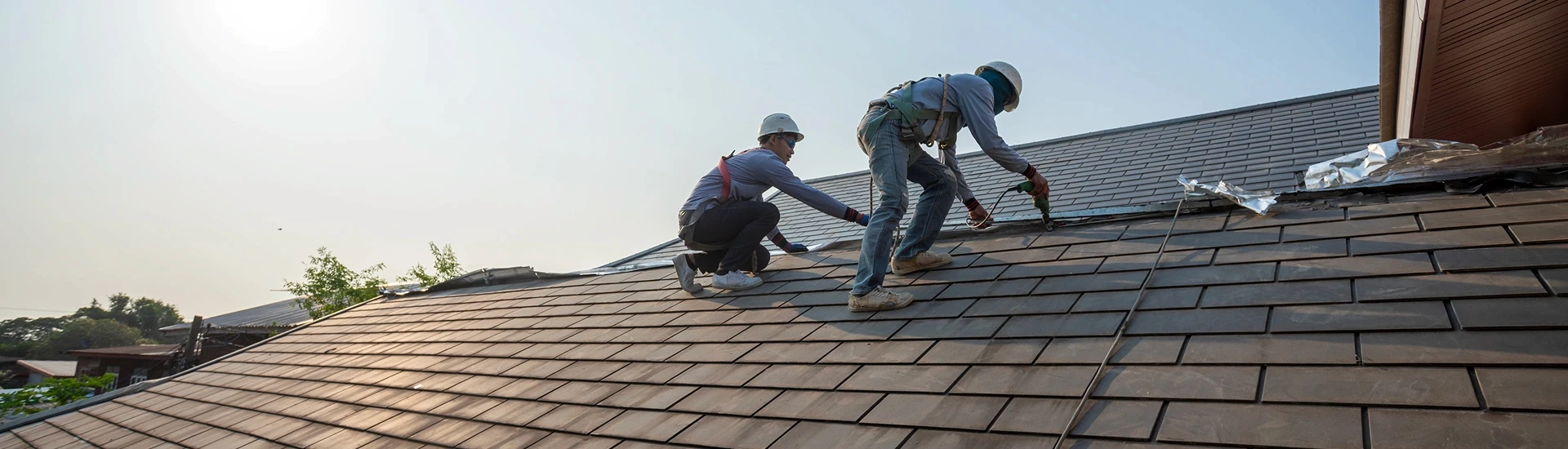
Bigboy Roofing
Bigboy Roofing
Bigboy Roofing
|
|
|
February 26, 2026
February 26, 2026
February 26, 2026
Seal failures show up in wind and cold. If you’ve ever noticed a drip that only happens during a gusty rain, or a ceiling stain that seems to appear right after a winter front, you’re seeing a pattern we deal with daily in Central Texas. Most homeowners assume a “roof leak” means missing shingles. In reality, a big share of calls for roof repair in Belton come down to two details: flashing and vents.
This guide breaks down how those parts work, why they fail, and how pros trace the true entry point without guesswork. You’ll also get a homeowner-friendly checklist for what to document, plus a real local scenario that shows why the leak spot inside is not always the leak spot on the roof.
Why Wind And Cold Expose Weak Roof Details
Belton sits in a weather zone where fronts can roll through fast, bringing shifting wind and quick temperature drops. Thunderstorms also commonly produce straight-line winds from outflow, which can be strong enough to damage structures and roofing components. When wind-driven rain hits the roof at an angle, it tests the places that rely on tight overlaps and seals, especially around metal edges and penetrations.
Cold snaps add another problem: materials tighten and stiffen. Rubber boots can lose flexibility. Sealants can shrink. Tiny gaps that stayed quiet in warm weather can open just enough to let water in. That’s why roof repair in Belton often spikes after winter fronts even when the roof looked “fine” a week earlier.
Quick comparison for perspective: in Huron, hailstorms can leave obvious bruising and granule loss that’s easy to spot. In parts of Ohio, sudden monsoon-style downpours can overwhelm drainage and expose weak valleys fast. Around Belton, the sneaky issues are often detailed failures that only show up when wind and cold work together.
What Flashing Does And Why It Fails
Flashing is the thin metal (and sometimes membrane) system that redirects water where shingles cannot. Think of it as the roof’s waterproof “traffic director.” You need it anywhere the roof surface is interrupted, including:
Roof-to-wall intersections
Chimneys and fireplace chases
Valleys (depending on system)
Dormers and sidewalls
Skylights and certain edge details
If flashing is missing, cut short, installed flat instead of stepped, or sealed incorrectly, water finds the path behind it.
Common flashing failure causes we see during roof repair in Belton visits:
Poor Step Flashing At Roof-To-Wall Lines
Step flashing should be layered with each shingle course, creating a shingle-like overlap in metal. When it’s replaced with one long piece or it’s not integrated correctly, water can run behind it during wind-driven rain.
Homeowner clue: stains near a corner room, behind a chimney chase, or on the top edge of a wall.
Incorrect Counterflashing Or Termination
Counterflashing (or a proper termination detail) is what protects the top edge of step flashing. If that top edge is exposed, wind can push rain behind the metal.
Homeowner clue: leaks that happen when rain comes from one direction.
Nail Holes And “Face-Fastened” Metal
Flashing should not rely on exposed fasteners in the water path. When it does, the fastener becomes the leak point over time.
Homeowner clue: a leak that returns even after “somebody caulked it.”
What Roof Vents Do And Why They Leak
Roof vents are necessary, but every vent is a hole in the roof that must be sealed correctly. The most common vent-related leak points include:
Vent Boots Around Plumbing Pipes
A vent boot is the rubber-and-metal collar around a plumbing pipe. Central Texas sun ages rubber fast. Then a winter front hits, the rubber stiffens, and small cracks can open.
Homeowner clue: leaks near bathrooms, laundry rooms, or hallways close to those areas.
Exhaust Fan Terminations
Bathroom fans and kitchen vents must exit properly. If the roof cap is damaged, loose, or poorly sealed, wind-driven rain can enter around the flange.
Homeowner clue: dampness after windy rain, often with no obvious shingle damage.
Ridge Vent And Intake Balance Problems
A ridge vent itself isn’t “bad,” but if baffles or end caps are incorrect, wind can push rain into the vent opening. Also, poor intake can cause strange pressure patterns that pull moist air where it shouldn’t go.
Homeowner clue: damp insulation near the ridge line.
These are classic roof repair in Belton issues because they’re not dramatic from the ground, but they create real interior damage.
Why The Leak Spot Inside Is Rarely The Entry Point
Here’s the part that trips people up: water travels.
It can enter at a vent boot, run along the underside of decking, hit a truss, and then drip down in a totally different room. That’s why a diagnostic approach matters more than “patching where it drips.”
When Big Boy Roofing handles roof repair in Belton, the goal is to map the path:
Where water likely entered (based on wind direction and roof layout)
Where it traveled (based on attic staining and framing lines)
Where it finally showed up (ceiling stain or drip)
That’s how you get a repair that holds up, instead of a recurring “mystery leak.”
A Local Belton Scenario That Shows How This Happens
A homeowner near Lake Belton called after a cold front brought a hard, gusty rain. A brown ring appeared in the hallway ceiling, but the hallway had no obvious roof penetrations above it.
In the attic, damp insulation showed up closer to a bathroom vent pipe. The vent boot had a hairline crack at the rubber collar. Wind-driven rain pushed water under the collar, then it traveled along the decking until it dropped at the hallway seam.
The fix wasn’t a full roof replacement. It was focused roof repair in Belton work:
Replace the vent boot and re-integrate surrounding shingles
Confirm the decking was sound
Photograph the failure point and document the repair scope
Provide a written estimate so the homeowner knew exactly what was being done and why
That’s the difference between guessing and diagnosing.
A Safe Homeowner Documentation Checklist
Safety first, always. No roof-walking instructions here. Your job is to document and protect the interior.
If you suspect you need roof repair in Belton, do this:
Take a wide photo of the ceiling stain or leak area
Take a close-up photo showing edges, bubbling, or active dripping
Note the date, time, and weather conditions
If you know it, note wind direction (north wind, west wind, etc.)
If it’s safe to look in the attic, photograph any wet insulation or dark staining from a stable position
That information helps a roofer pinpoint flashing or vent issues faster.
What A Diagnostic Roof Repair Assessment Looks Like
A proper roof repair in Belton assessment should feel organized, not rushed. In most cases, it includes:
Exterior Review Focused On Flashing And Penetrations
Roof-to-wall lines, corners, and step flashing
Chimney and chase terminations
Vent boots, caps, and exposed seal points
Valleys and high-volume water paths
Attic Evidence Review When Appropriate
Wet insulation patterns
Dark staining on decking
“Shiny” wet nail tips during active leaks
Travel lines along framing
Clear Options And A Written Scope
You should receive:
Photos of the problem area
A repair scope that states what will be replaced or resealed
A written estimate tied to that scope
If you want to book that service, take a look at our Roof Repair page.
Why Quick “Caulk Fixes” Often Fail
It’s tempting to seal everything. But uncontrolled caulk can:
Trap water where it should drain
Hide the real failure point
Crack and reopen under temperature swings
Create a bigger repair later when it’s time to do it correctly
In many flashing and vent cases, the right fix is not more sealant. It’s correct layering, proper fastening, and replacement of aged components. That’s what durable roof repair in Belton work looks like.
Weather Notes Without The Hype
Storm winds are a real factor in roof leaks. NOAA notes that damaging straight-line winds are common with thunderstorms and are linked to outflow from downdrafts. Even when a storm isn’t “historic,” gusts can lift shingle edges and push rain into flashing seams.
This matters because seal failures often show up in wind and cold, not during gentle rain.
When To Call For Repair Versus Monitor
Call for roof repair in Belton if you notice:
Active leaking or repeated stains
Leaks that only happen with wind-driven rain
Damp insulation near vents or roof-to-wall lines
Visible flashing gaps from the ground
A musty odor in the attic after storms
You may be able to monitor if:
The stain is old and completely dry
You have no new moisture signs after recent rains
A roofer confirms it’s not active and gives a maintenance plan
Either way, the smartest move is a documented assessment with a written scope.
Local Service And How To Reach Us
If you want directions or prefer to talk with someone locally, you can visit us in Belton, TX. And if you’re ready to schedule, Big Boy Roofing can walk you through roof repair in Belton options with photos and a written estimate. If seal failures are showing up in wind and cold, don’t wait for the next front to make the damage worse. Schedule roof repair in Belton with Big Boy Roofing and get a roof repair assessment and written estimate.
Schedule a roof repair assessment and written estimate.
Frequently Asked Questions
Why Do Vent Boots Fail So Often In Central Texas?
Heat and UV exposure age rubber faster, then cold fronts stiffen it. Small cracks can open and let wind-driven rain in. That’s a common reason homeowners need roof repair in Belton even when shingles look fine.
Can Flashing Leaks Look Like A Shingle Leak?
Yes. Water entering behind flashing can travel and drip far from the entry point. That’s why a diagnostic inspection is so important for roof repair in Belton.
Does A Ceiling Stain Always Mean An Active Leak?
Not always. Some stains are old. The key is whether there’s fresh dampness, expanding edges, or new dripping after rain. A professional can confirm and provide a repair scope.
What Should Be Included In A Repair Estimate?
A clear scope (what’s being repaired and how), photos of the cause, and the materials involved. For roof repair in Belton, that often means identifying the specific flashing run or vent component that failed.
If Insurance Comes Up, What Can You Help With?
We stick to documentation and repair scope. No coverage interpretation and no claim negotiation. The goal is clear roof repair in Belton options you can act on.
Seal failures show up in wind and cold. If you’ve ever noticed a drip that only happens during a gusty rain, or a ceiling stain that seems to appear right after a winter front, you’re seeing a pattern we deal with daily in Central Texas. Most homeowners assume a “roof leak” means missing shingles. In reality, a big share of calls for roof repair in Belton come down to two details: flashing and vents.
This guide breaks down how those parts work, why they fail, and how pros trace the true entry point without guesswork. You’ll also get a homeowner-friendly checklist for what to document, plus a real local scenario that shows why the leak spot inside is not always the leak spot on the roof.
Why Wind And Cold Expose Weak Roof Details
Belton sits in a weather zone where fronts can roll through fast, bringing shifting wind and quick temperature drops. Thunderstorms also commonly produce straight-line winds from outflow, which can be strong enough to damage structures and roofing components. When wind-driven rain hits the roof at an angle, it tests the places that rely on tight overlaps and seals, especially around metal edges and penetrations.
Cold snaps add another problem: materials tighten and stiffen. Rubber boots can lose flexibility. Sealants can shrink. Tiny gaps that stayed quiet in warm weather can open just enough to let water in. That’s why roof repair in Belton often spikes after winter fronts even when the roof looked “fine” a week earlier.
Quick comparison for perspective: in Huron, hailstorms can leave obvious bruising and granule loss that’s easy to spot. In parts of Ohio, sudden monsoon-style downpours can overwhelm drainage and expose weak valleys fast. Around Belton, the sneaky issues are often detailed failures that only show up when wind and cold work together.
What Flashing Does And Why It Fails
Flashing is the thin metal (and sometimes membrane) system that redirects water where shingles cannot. Think of it as the roof’s waterproof “traffic director.” You need it anywhere the roof surface is interrupted, including:
Roof-to-wall intersections
Chimneys and fireplace chases
Valleys (depending on system)
Dormers and sidewalls
Skylights and certain edge details
If flashing is missing, cut short, installed flat instead of stepped, or sealed incorrectly, water finds the path behind it.
Common flashing failure causes we see during roof repair in Belton visits:
Poor Step Flashing At Roof-To-Wall Lines
Step flashing should be layered with each shingle course, creating a shingle-like overlap in metal. When it’s replaced with one long piece or it’s not integrated correctly, water can run behind it during wind-driven rain.
Homeowner clue: stains near a corner room, behind a chimney chase, or on the top edge of a wall.
Incorrect Counterflashing Or Termination
Counterflashing (or a proper termination detail) is what protects the top edge of step flashing. If that top edge is exposed, wind can push rain behind the metal.
Homeowner clue: leaks that happen when rain comes from one direction.
Nail Holes And “Face-Fastened” Metal
Flashing should not rely on exposed fasteners in the water path. When it does, the fastener becomes the leak point over time.
Homeowner clue: a leak that returns even after “somebody caulked it.”
What Roof Vents Do And Why They Leak
Roof vents are necessary, but every vent is a hole in the roof that must be sealed correctly. The most common vent-related leak points include:
Vent Boots Around Plumbing Pipes
A vent boot is the rubber-and-metal collar around a plumbing pipe. Central Texas sun ages rubber fast. Then a winter front hits, the rubber stiffens, and small cracks can open.
Homeowner clue: leaks near bathrooms, laundry rooms, or hallways close to those areas.
Exhaust Fan Terminations
Bathroom fans and kitchen vents must exit properly. If the roof cap is damaged, loose, or poorly sealed, wind-driven rain can enter around the flange.
Homeowner clue: dampness after windy rain, often with no obvious shingle damage.
Ridge Vent And Intake Balance Problems
A ridge vent itself isn’t “bad,” but if baffles or end caps are incorrect, wind can push rain into the vent opening. Also, poor intake can cause strange pressure patterns that pull moist air where it shouldn’t go.
Homeowner clue: damp insulation near the ridge line.
These are classic roof repair in Belton issues because they’re not dramatic from the ground, but they create real interior damage.
Why The Leak Spot Inside Is Rarely The Entry Point
Here’s the part that trips people up: water travels.
It can enter at a vent boot, run along the underside of decking, hit a truss, and then drip down in a totally different room. That’s why a diagnostic approach matters more than “patching where it drips.”
When Big Boy Roofing handles roof repair in Belton, the goal is to map the path:
Where water likely entered (based on wind direction and roof layout)
Where it traveled (based on attic staining and framing lines)
Where it finally showed up (ceiling stain or drip)
That’s how you get a repair that holds up, instead of a recurring “mystery leak.”
A Local Belton Scenario That Shows How This Happens
A homeowner near Lake Belton called after a cold front brought a hard, gusty rain. A brown ring appeared in the hallway ceiling, but the hallway had no obvious roof penetrations above it.
In the attic, damp insulation showed up closer to a bathroom vent pipe. The vent boot had a hairline crack at the rubber collar. Wind-driven rain pushed water under the collar, then it traveled along the decking until it dropped at the hallway seam.
The fix wasn’t a full roof replacement. It was focused roof repair in Belton work:
Replace the vent boot and re-integrate surrounding shingles
Confirm the decking was sound
Photograph the failure point and document the repair scope
Provide a written estimate so the homeowner knew exactly what was being done and why
That’s the difference between guessing and diagnosing.
A Safe Homeowner Documentation Checklist
Safety first, always. No roof-walking instructions here. Your job is to document and protect the interior.
If you suspect you need roof repair in Belton, do this:
Take a wide photo of the ceiling stain or leak area
Take a close-up photo showing edges, bubbling, or active dripping
Note the date, time, and weather conditions
If you know it, note wind direction (north wind, west wind, etc.)
If it’s safe to look in the attic, photograph any wet insulation or dark staining from a stable position
That information helps a roofer pinpoint flashing or vent issues faster.
What A Diagnostic Roof Repair Assessment Looks Like
A proper roof repair in Belton assessment should feel organized, not rushed. In most cases, it includes:
Exterior Review Focused On Flashing And Penetrations
Roof-to-wall lines, corners, and step flashing
Chimney and chase terminations
Vent boots, caps, and exposed seal points
Valleys and high-volume water paths
Attic Evidence Review When Appropriate
Wet insulation patterns
Dark staining on decking
“Shiny” wet nail tips during active leaks
Travel lines along framing
Clear Options And A Written Scope
You should receive:
Photos of the problem area
A repair scope that states what will be replaced or resealed
A written estimate tied to that scope
If you want to book that service, take a look at our Roof Repair page.
Why Quick “Caulk Fixes” Often Fail
It’s tempting to seal everything. But uncontrolled caulk can:
Trap water where it should drain
Hide the real failure point
Crack and reopen under temperature swings
Create a bigger repair later when it’s time to do it correctly
In many flashing and vent cases, the right fix is not more sealant. It’s correct layering, proper fastening, and replacement of aged components. That’s what durable roof repair in Belton work looks like.
Weather Notes Without The Hype
Storm winds are a real factor in roof leaks. NOAA notes that damaging straight-line winds are common with thunderstorms and are linked to outflow from downdrafts. Even when a storm isn’t “historic,” gusts can lift shingle edges and push rain into flashing seams.
This matters because seal failures often show up in wind and cold, not during gentle rain.
When To Call For Repair Versus Monitor
Call for roof repair in Belton if you notice:
Active leaking or repeated stains
Leaks that only happen with wind-driven rain
Damp insulation near vents or roof-to-wall lines
Visible flashing gaps from the ground
A musty odor in the attic after storms
You may be able to monitor if:
The stain is old and completely dry
You have no new moisture signs after recent rains
A roofer confirms it’s not active and gives a maintenance plan
Either way, the smartest move is a documented assessment with a written scope.
Local Service And How To Reach Us
If you want directions or prefer to talk with someone locally, you can visit us in Belton, TX. And if you’re ready to schedule, Big Boy Roofing can walk you through roof repair in Belton options with photos and a written estimate. If seal failures are showing up in wind and cold, don’t wait for the next front to make the damage worse. Schedule roof repair in Belton with Big Boy Roofing and get a roof repair assessment and written estimate.
Schedule a roof repair assessment and written estimate.
Frequently Asked Questions
Why Do Vent Boots Fail So Often In Central Texas?
Heat and UV exposure age rubber faster, then cold fronts stiffen it. Small cracks can open and let wind-driven rain in. That’s a common reason homeowners need roof repair in Belton even when shingles look fine.
Can Flashing Leaks Look Like A Shingle Leak?
Yes. Water entering behind flashing can travel and drip far from the entry point. That’s why a diagnostic inspection is so important for roof repair in Belton.
Does A Ceiling Stain Always Mean An Active Leak?
Not always. Some stains are old. The key is whether there’s fresh dampness, expanding edges, or new dripping after rain. A professional can confirm and provide a repair scope.
What Should Be Included In A Repair Estimate?
A clear scope (what’s being repaired and how), photos of the cause, and the materials involved. For roof repair in Belton, that often means identifying the specific flashing run or vent component that failed.
If Insurance Comes Up, What Can You Help With?
We stick to documentation and repair scope. No coverage interpretation and no claim negotiation. The goal is clear roof repair in Belton options you can act on.
Seal failures show up in wind and cold. If you’ve ever noticed a drip that only happens during a gusty rain, or a ceiling stain that seems to appear right after a winter front, you’re seeing a pattern we deal with daily in Central Texas. Most homeowners assume a “roof leak” means missing shingles. In reality, a big share of calls for roof repair in Belton come down to two details: flashing and vents.
This guide breaks down how those parts work, why they fail, and how pros trace the true entry point without guesswork. You’ll also get a homeowner-friendly checklist for what to document, plus a real local scenario that shows why the leak spot inside is not always the leak spot on the roof.
Why Wind And Cold Expose Weak Roof Details
Belton sits in a weather zone where fronts can roll through fast, bringing shifting wind and quick temperature drops. Thunderstorms also commonly produce straight-line winds from outflow, which can be strong enough to damage structures and roofing components. When wind-driven rain hits the roof at an angle, it tests the places that rely on tight overlaps and seals, especially around metal edges and penetrations.
Cold snaps add another problem: materials tighten and stiffen. Rubber boots can lose flexibility. Sealants can shrink. Tiny gaps that stayed quiet in warm weather can open just enough to let water in. That’s why roof repair in Belton often spikes after winter fronts even when the roof looked “fine” a week earlier.
Quick comparison for perspective: in Huron, hailstorms can leave obvious bruising and granule loss that’s easy to spot. In parts of Ohio, sudden monsoon-style downpours can overwhelm drainage and expose weak valleys fast. Around Belton, the sneaky issues are often detailed failures that only show up when wind and cold work together.
What Flashing Does And Why It Fails
Flashing is the thin metal (and sometimes membrane) system that redirects water where shingles cannot. Think of it as the roof’s waterproof “traffic director.” You need it anywhere the roof surface is interrupted, including:
Roof-to-wall intersections
Chimneys and fireplace chases
Valleys (depending on system)
Dormers and sidewalls
Skylights and certain edge details
If flashing is missing, cut short, installed flat instead of stepped, or sealed incorrectly, water finds the path behind it.
Common flashing failure causes we see during roof repair in Belton visits:
Poor Step Flashing At Roof-To-Wall Lines
Step flashing should be layered with each shingle course, creating a shingle-like overlap in metal. When it’s replaced with one long piece or it’s not integrated correctly, water can run behind it during wind-driven rain.
Homeowner clue: stains near a corner room, behind a chimney chase, or on the top edge of a wall.
Incorrect Counterflashing Or Termination
Counterflashing (or a proper termination detail) is what protects the top edge of step flashing. If that top edge is exposed, wind can push rain behind the metal.
Homeowner clue: leaks that happen when rain comes from one direction.
Nail Holes And “Face-Fastened” Metal
Flashing should not rely on exposed fasteners in the water path. When it does, the fastener becomes the leak point over time.
Homeowner clue: a leak that returns even after “somebody caulked it.”
What Roof Vents Do And Why They Leak
Roof vents are necessary, but every vent is a hole in the roof that must be sealed correctly. The most common vent-related leak points include:
Vent Boots Around Plumbing Pipes
A vent boot is the rubber-and-metal collar around a plumbing pipe. Central Texas sun ages rubber fast. Then a winter front hits, the rubber stiffens, and small cracks can open.
Homeowner clue: leaks near bathrooms, laundry rooms, or hallways close to those areas.
Exhaust Fan Terminations
Bathroom fans and kitchen vents must exit properly. If the roof cap is damaged, loose, or poorly sealed, wind-driven rain can enter around the flange.
Homeowner clue: dampness after windy rain, often with no obvious shingle damage.
Ridge Vent And Intake Balance Problems
A ridge vent itself isn’t “bad,” but if baffles or end caps are incorrect, wind can push rain into the vent opening. Also, poor intake can cause strange pressure patterns that pull moist air where it shouldn’t go.
Homeowner clue: damp insulation near the ridge line.
These are classic roof repair in Belton issues because they’re not dramatic from the ground, but they create real interior damage.
Why The Leak Spot Inside Is Rarely The Entry Point
Here’s the part that trips people up: water travels.
It can enter at a vent boot, run along the underside of decking, hit a truss, and then drip down in a totally different room. That’s why a diagnostic approach matters more than “patching where it drips.”
When Big Boy Roofing handles roof repair in Belton, the goal is to map the path:
Where water likely entered (based on wind direction and roof layout)
Where it traveled (based on attic staining and framing lines)
Where it finally showed up (ceiling stain or drip)
That’s how you get a repair that holds up, instead of a recurring “mystery leak.”
A Local Belton Scenario That Shows How This Happens
A homeowner near Lake Belton called after a cold front brought a hard, gusty rain. A brown ring appeared in the hallway ceiling, but the hallway had no obvious roof penetrations above it.
In the attic, damp insulation showed up closer to a bathroom vent pipe. The vent boot had a hairline crack at the rubber collar. Wind-driven rain pushed water under the collar, then it traveled along the decking until it dropped at the hallway seam.
The fix wasn’t a full roof replacement. It was focused roof repair in Belton work:
Replace the vent boot and re-integrate surrounding shingles
Confirm the decking was sound
Photograph the failure point and document the repair scope
Provide a written estimate so the homeowner knew exactly what was being done and why
That’s the difference between guessing and diagnosing.
A Safe Homeowner Documentation Checklist
Safety first, always. No roof-walking instructions here. Your job is to document and protect the interior.
If you suspect you need roof repair in Belton, do this:
Take a wide photo of the ceiling stain or leak area
Take a close-up photo showing edges, bubbling, or active dripping
Note the date, time, and weather conditions
If you know it, note wind direction (north wind, west wind, etc.)
If it’s safe to look in the attic, photograph any wet insulation or dark staining from a stable position
That information helps a roofer pinpoint flashing or vent issues faster.
What A Diagnostic Roof Repair Assessment Looks Like
A proper roof repair in Belton assessment should feel organized, not rushed. In most cases, it includes:
Exterior Review Focused On Flashing And Penetrations
Roof-to-wall lines, corners, and step flashing
Chimney and chase terminations
Vent boots, caps, and exposed seal points
Valleys and high-volume water paths
Attic Evidence Review When Appropriate
Wet insulation patterns
Dark staining on decking
“Shiny” wet nail tips during active leaks
Travel lines along framing
Clear Options And A Written Scope
You should receive:
Photos of the problem area
A repair scope that states what will be replaced or resealed
A written estimate tied to that scope
If you want to book that service, take a look at our Roof Repair page.
Why Quick “Caulk Fixes” Often Fail
It’s tempting to seal everything. But uncontrolled caulk can:
Trap water where it should drain
Hide the real failure point
Crack and reopen under temperature swings
Create a bigger repair later when it’s time to do it correctly
In many flashing and vent cases, the right fix is not more sealant. It’s correct layering, proper fastening, and replacement of aged components. That’s what durable roof repair in Belton work looks like.
Weather Notes Without The Hype
Storm winds are a real factor in roof leaks. NOAA notes that damaging straight-line winds are common with thunderstorms and are linked to outflow from downdrafts. Even when a storm isn’t “historic,” gusts can lift shingle edges and push rain into flashing seams.
This matters because seal failures often show up in wind and cold, not during gentle rain.
When To Call For Repair Versus Monitor
Call for roof repair in Belton if you notice:
Active leaking or repeated stains
Leaks that only happen with wind-driven rain
Damp insulation near vents or roof-to-wall lines
Visible flashing gaps from the ground
A musty odor in the attic after storms
You may be able to monitor if:
The stain is old and completely dry
You have no new moisture signs after recent rains
A roofer confirms it’s not active and gives a maintenance plan
Either way, the smartest move is a documented assessment with a written scope.
Local Service And How To Reach Us
If you want directions or prefer to talk with someone locally, you can visit us in Belton, TX. And if you’re ready to schedule, Big Boy Roofing can walk you through roof repair in Belton options with photos and a written estimate. If seal failures are showing up in wind and cold, don’t wait for the next front to make the damage worse. Schedule roof repair in Belton with Big Boy Roofing and get a roof repair assessment and written estimate.
Schedule a roof repair assessment and written estimate.
Frequently Asked Questions
Why Do Vent Boots Fail So Often In Central Texas?
Heat and UV exposure age rubber faster, then cold fronts stiffen it. Small cracks can open and let wind-driven rain in. That’s a common reason homeowners need roof repair in Belton even when shingles look fine.
Can Flashing Leaks Look Like A Shingle Leak?
Yes. Water entering behind flashing can travel and drip far from the entry point. That’s why a diagnostic inspection is so important for roof repair in Belton.
Does A Ceiling Stain Always Mean An Active Leak?
Not always. Some stains are old. The key is whether there’s fresh dampness, expanding edges, or new dripping after rain. A professional can confirm and provide a repair scope.
What Should Be Included In A Repair Estimate?
A clear scope (what’s being repaired and how), photos of the cause, and the materials involved. For roof repair in Belton, that often means identifying the specific flashing run or vent component that failed.
If Insurance Comes Up, What Can You Help With?
We stick to documentation and repair scope. No coverage interpretation and no claim negotiation. The goal is clear roof repair in Belton options you can act on.
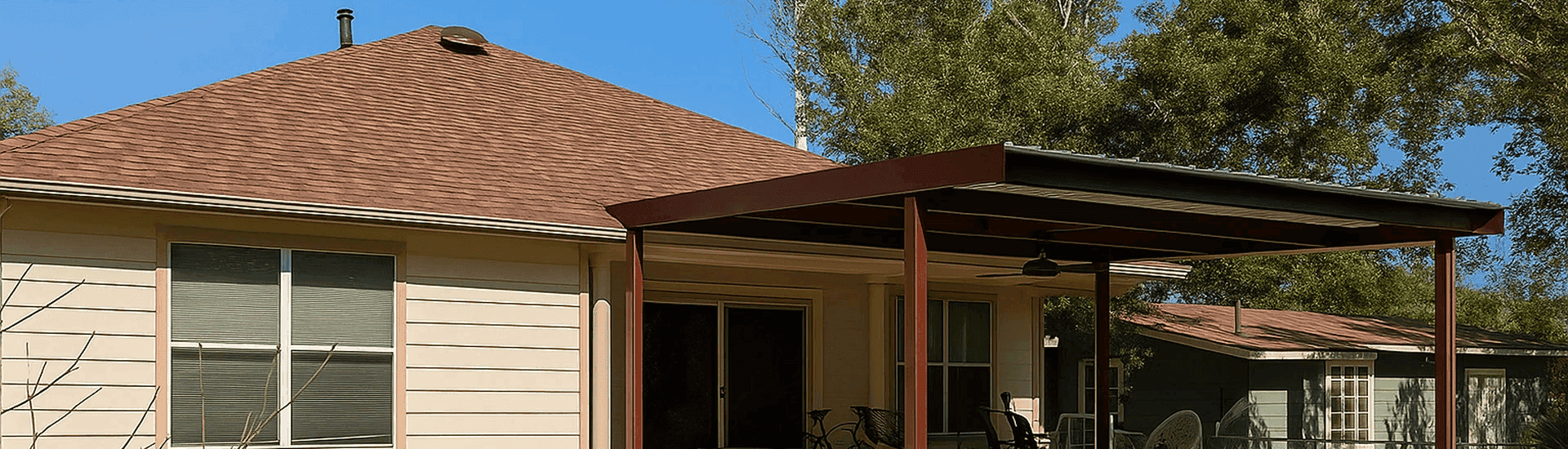
Bigboy Roofing
Bigboy Roofing
Bigboy Roofing
|
|
|
January 29, 2026
January 29, 2026
January 29, 2026
Cold nights plus indoor humidity create pooling. If you wake up to foggy glass, damp sills, or little water beads that gather along the bottom frame, you are not alone. Window condensation in Killeen is one of the most common “morning surprises” homeowners report when nighttime temperatures dip and the house stays warm inside. The good news is that most cases have a clear cause, and you can take a few practical steps right away to reduce it.
This guide breaks down what’s happening, how to tell the difference between normal moisture and a real window issue, and the easiest morning fixes you can do without special tools. We’ll also cover when it’s time to request an evaluation for comfort and seal problems.
What Window Condensation Really Is
Condensation is what happens when moist air hits a colder surface and the air can’t “hold” that moisture anymore. The temperature where air starts turning vapor into droplets is called the dew point. NOAA explains dew point as the temperature air must be cooled to reach saturation, which leads to condensation.
Your window glass is often the coldest surface in the room during winter or cool spring nights. When warm indoor air touches that cold glass, water forms on the inside surface, especially overnight.
That’s why window condensation in Killeen often shows up first thing in the morning and improves later in the day.
Why Killeen Homes See It More On Cold Nights
Killeen sits in Central Texas where winters are usually mild, but nights can still drop enough to chill window glass. At the same time, indoor humidity can quietly climb, especially when:
The HVAC fan runs less overnight
Windows stay shut for days
Hot showers and cooking add moisture
Laundry dries indoors
A whole-house humidifier (or even a portable one) runs too high
Even if the thermostat reads comfortably, the glass can lag behind and stay cold. When indoor air and the glass temperature cross that dew point line, you get window condensation in Killeen.
A quick “real life” clue: if you see heavy dew on your car in the morning, it’s a sign the overnight temperature got close to dew point conditions outdoors, too. Your windows are basically doing the same thing indoors.
First, Identify Which Kind Of Condensation You Have
Before you start changing settings or buying gadgets, do this simple check. It tells you whether you’re dealing with humidity, a window seal issue, or something else.
Type One: Condensation On The Inside Of The Glass
This is the most common. It usually means indoor humidity is high for the glass temperature.
Typical signs
Fogging that wipes off with a cloth
Droplets along the bottom of the glass
Happens more in bedrooms, bathrooms, kitchens
Better by midday
This is classic window condensation in Killeen caused by indoor moisture plus cold glass.
Type Two: Fog Or Water Between The Panes
If you have double-pane windows and the fog is inside the window unit (between panes), wiping won’t help.
Typical signs
Cloudy look that never fully clears
Visible streaks or a “hazy” patch in the middle
Gets worse with temperature changes
This often points to a failed seal in the insulated glass unit. It’s a window performance issue, not just indoor humidity.
Type Three: Condensation On The Outside Of The Glass
This can happen when outdoor air is humid and the glass is cooler than outside air, often after a clear night.
This usually isn’t a defect. It’s more like dew on the outside surface.
The Easy Morning Fixes Checklist
If you’re seeing window condensation in Killeen on the inside surface, try these in order. They’re fast, practical, and they work for most households.
Morning Fix One: Wipe The Sill And Track First
Start with the basics: wipe water off the sill, track, and bottom frame. Leaving pooled water can warp wood trim, stain paint, or swell older framing.
Use a microfiber cloth and check:
Bottom corners
Behind blinds
Where the sash meets the frame
This step doesn’t solve the cause, but it prevents damage while you work on the solution.
Morning Fix Two: Run Exhaust Fans The Right Way
Bathroom and kitchen fans remove moisture at the source. A common issue is that fans are too weak, not vented properly, or not used long enough.
Try this routine:
Run the bathroom fan during showers and for a while after
Use the kitchen hood while cooking
If possible, crack the bathroom door slightly after showering so moisture can move toward the fan path
Reducing indoor moisture reduces window condensation in Killeen quickly.
Morning Fix Three: Open Blinds And Curtains Early
Closed blinds trap a pocket of warm, moist air against cold glass. That tiny “microclimate” is perfect for fogging.
In the morning:
Open blinds for 15–30 minutes
Let room air circulate across the glass
Avoid keeping heavy curtains tight to the sill
You’ll often see the glass clear faster.
Morning Fix Four: Improve Air Circulation Near Windows
Stagnant air makes condensation worse. If a room is closed off at night, moisture builds.
Try:
Keep interior doors slightly open
Set the HVAC fan to circulate periodically if your system supports it
Move furniture a few inches away from exterior walls so air can flow
This matters a lot in back bedrooms where window condensation in Killeen often shows up first.
Morning Fix Five: Check Your Indoor Humidity With A Simple Meter
A small hygrometer (humidity meter) takes the guesswork out. Place it in the room that fogs most often.
General guideline:
If indoor humidity is high during cool nights, condensation becomes more likely
The exact “safe” humidity depends on outdoor temperature and indoor temperature. FGIA notes that higher indoor humidity means the window surface needs to be warmer to avoid condensation, and provides guidance tied to outdoor temps.
Morning Fix Six: Stop Indoor Moisture Sources Overnight
This is a big one. If you’re fighting window condensation in Killeen, avoid these overnight habits for a week and see what changes:
Drying clothes on racks indoors
Running long hot showers late at night without fan use
Boiling pots without the hood fan
Using a humidifier on higher settings
You’re not trying to make your home “dry.” You’re trying to keep humidity reasonable during the coldest hours.
Morning Fix Seven: Slight Temperature Adjustment At Night
When the indoor temperature drops too low overnight, glass can get colder faster. Even a small change can help some homes.
If you do a nighttime setback, test a smaller setback for a few nights and see whether window condensation in Killeen improves. The goal is comfort and balance, not cranking heat.
Longer-Term Fixes That Actually Address The Root Cause
If the morning checklist helps but doesn’t solve it, these are the most common longer-term answers.
Improve Window Seals And Weatherstripping
Drafts make glass colder and pull humid air toward the window surface.
Look for:
Loose weatherstripping
Gaps at the sash corners
Air movement you can feel with your hand
A window evaluation can pinpoint where air leaks are making window condensation in Killeen worse.
Confirm Bathroom Fans And Dryer Vents Are Venting Outside
Sometimes the fan is running, but the moisture isn’t leaving the house. A disconnected vent line can dump humid air into an attic or wall cavity, which then raises indoor humidity overall.
This is where roofing and exterior experience helps: your home is one envelope. When moisture gets trapped in the wrong place, it shows up as foggy windows, stale air, and comfort issues.
Check Attic Ventilation And Air Leaks
In Central Texas, attic conditions change quickly. If warm, moist indoor air leaks into the attic (through gaps around lights, attic hatches, or duct chases), it can disrupt temperature balance and humidity behavior in the house.
This doesn’t mean “you need a new roof.” It means a whole-home evaluation can solve persistent window condensation in Killeen by improving airflow and sealing the right spots.
Address Failed Double-Pane Seals
If condensation is between panes, that’s usually a performance issue with the glass unit. It can reduce clarity and comfort.
If you’re seeing window condensation in Killeen between panes, you’ll want an evaluation to confirm whether a repair or replacement approach makes the most sense.
A Local Killeen Scenario We See Often
Here’s a situation that comes up a lot:
A homeowner near a busy corridor in Killeen notices morning fog on the bedroom windows every day after a week of colder nights. The water pools at the bottom, and the wood trim starts to feel damp. They assume the windows are “bad.”
During an evaluation, the windows themselves aren’t the only factor. The bigger issue is indoor humidity: a late-night shower routine without the bathroom fan running long enough, plus indoor laundry drying in a spare room. The blinds stay closed, trapping moisture against the glass.
The fix is simple and practical:
Use the bathroom fan correctly
Stop indoor laundry drying overnight
Open blinds in the morning
Check humidity readings for a week
Then, if one window still fogs more than the others, inspect that unit for air leaks or seal wear. In many cases, window condensation in Killeen drops dramatically without replacing anything.
How Weather In Other Places Helps Explain What You’re Seeing
Different regions show moisture problems in different ways:
In Huron, hailstorms can damage roofing and exterior surfaces quickly, making water entry more obvious.
In Ohio, sudden monsoon-like downpours can overwhelm drainage and expose weak exterior details fast.
Killeen is often more subtle. Cold nights, warm indoor air, and everyday humidity sources build up slowly, then show up as window condensation in Killeen by morning. Same physics, different weather pattern.
And the physics is consistent: NOAA’s dew point explanation is the simplest way to remember it. When air cools to its dew point, condensation forms.
When To Request A Window Evaluation
Consider scheduling help if:
Condensation is between panes
One room has heavy condensation while the rest of the house does not
You feel drafts around frames
Water is pooling daily and affecting trim or paint
Comfort is uneven near windows (cold spots)
Big Boy Roofing offers window service support alongside exterior knowledge. If you want to learn more about options, from our Window Service page.
If you’d rather talk in person, you can also visit us in Belton, TX. If cold nights plus indoor humidity are creating pooling on your sills, you don’t have to guess your way through it. Request window condensation in Killeen support from Big Boy Roofing and get clear answers on comfort, airflow, and seal issues.
Request a window evaluation for comfort and seal issues.
Frequently Asked Questions
Is window condensation in Killeen always a sign I need new windows?
Not always. If the moisture is on the inside surface and wipes off, it’s often an indoor humidity and airflow issue. If the fog is between panes, that’s more likely a seal problem.
What’s the fastest morning routine to reduce fog?
Wipe pooled water, open blinds, run exhaust fans after showers and cooking, and improve airflow in the room. These steps reduce window condensation in Killeen in many homes within a few days.
Can I just crack a window at night?
Sometimes, it depends on comfort and outdoor conditions. A safer first move is to control indoor moisture sources and use proper ventilation so you’re not bringing in new humidity.
Why is only one bedroom window fogging up?
That room may have higher humidity, less airflow, colder glass exposure, or small air leaks around the frame. A targeted evaluation helps pinpoint why window condensation in Killeen is happening in one area more than others.
What humidity level should I aim for?
It varies with outdoor temperature. FGIA explains that higher indoor humidity requires warmer surfaces to avoid condensation and provides guidance tied to outdoor conditions. A simple hygrometer helps you track what’s happening in your specific home.
Cold nights plus indoor humidity create pooling. If you wake up to foggy glass, damp sills, or little water beads that gather along the bottom frame, you are not alone. Window condensation in Killeen is one of the most common “morning surprises” homeowners report when nighttime temperatures dip and the house stays warm inside. The good news is that most cases have a clear cause, and you can take a few practical steps right away to reduce it.
This guide breaks down what’s happening, how to tell the difference between normal moisture and a real window issue, and the easiest morning fixes you can do without special tools. We’ll also cover when it’s time to request an evaluation for comfort and seal problems.
What Window Condensation Really Is
Condensation is what happens when moist air hits a colder surface and the air can’t “hold” that moisture anymore. The temperature where air starts turning vapor into droplets is called the dew point. NOAA explains dew point as the temperature air must be cooled to reach saturation, which leads to condensation.
Your window glass is often the coldest surface in the room during winter or cool spring nights. When warm indoor air touches that cold glass, water forms on the inside surface, especially overnight.
That’s why window condensation in Killeen often shows up first thing in the morning and improves later in the day.
Why Killeen Homes See It More On Cold Nights
Killeen sits in Central Texas where winters are usually mild, but nights can still drop enough to chill window glass. At the same time, indoor humidity can quietly climb, especially when:
The HVAC fan runs less overnight
Windows stay shut for days
Hot showers and cooking add moisture
Laundry dries indoors
A whole-house humidifier (or even a portable one) runs too high
Even if the thermostat reads comfortably, the glass can lag behind and stay cold. When indoor air and the glass temperature cross that dew point line, you get window condensation in Killeen.
A quick “real life” clue: if you see heavy dew on your car in the morning, it’s a sign the overnight temperature got close to dew point conditions outdoors, too. Your windows are basically doing the same thing indoors.
First, Identify Which Kind Of Condensation You Have
Before you start changing settings or buying gadgets, do this simple check. It tells you whether you’re dealing with humidity, a window seal issue, or something else.
Type One: Condensation On The Inside Of The Glass
This is the most common. It usually means indoor humidity is high for the glass temperature.
Typical signs
Fogging that wipes off with a cloth
Droplets along the bottom of the glass
Happens more in bedrooms, bathrooms, kitchens
Better by midday
This is classic window condensation in Killeen caused by indoor moisture plus cold glass.
Type Two: Fog Or Water Between The Panes
If you have double-pane windows and the fog is inside the window unit (between panes), wiping won’t help.
Typical signs
Cloudy look that never fully clears
Visible streaks or a “hazy” patch in the middle
Gets worse with temperature changes
This often points to a failed seal in the insulated glass unit. It’s a window performance issue, not just indoor humidity.
Type Three: Condensation On The Outside Of The Glass
This can happen when outdoor air is humid and the glass is cooler than outside air, often after a clear night.
This usually isn’t a defect. It’s more like dew on the outside surface.
The Easy Morning Fixes Checklist
If you’re seeing window condensation in Killeen on the inside surface, try these in order. They’re fast, practical, and they work for most households.
Morning Fix One: Wipe The Sill And Track First
Start with the basics: wipe water off the sill, track, and bottom frame. Leaving pooled water can warp wood trim, stain paint, or swell older framing.
Use a microfiber cloth and check:
Bottom corners
Behind blinds
Where the sash meets the frame
This step doesn’t solve the cause, but it prevents damage while you work on the solution.
Morning Fix Two: Run Exhaust Fans The Right Way
Bathroom and kitchen fans remove moisture at the source. A common issue is that fans are too weak, not vented properly, or not used long enough.
Try this routine:
Run the bathroom fan during showers and for a while after
Use the kitchen hood while cooking
If possible, crack the bathroom door slightly after showering so moisture can move toward the fan path
Reducing indoor moisture reduces window condensation in Killeen quickly.
Morning Fix Three: Open Blinds And Curtains Early
Closed blinds trap a pocket of warm, moist air against cold glass. That tiny “microclimate” is perfect for fogging.
In the morning:
Open blinds for 15–30 minutes
Let room air circulate across the glass
Avoid keeping heavy curtains tight to the sill
You’ll often see the glass clear faster.
Morning Fix Four: Improve Air Circulation Near Windows
Stagnant air makes condensation worse. If a room is closed off at night, moisture builds.
Try:
Keep interior doors slightly open
Set the HVAC fan to circulate periodically if your system supports it
Move furniture a few inches away from exterior walls so air can flow
This matters a lot in back bedrooms where window condensation in Killeen often shows up first.
Morning Fix Five: Check Your Indoor Humidity With A Simple Meter
A small hygrometer (humidity meter) takes the guesswork out. Place it in the room that fogs most often.
General guideline:
If indoor humidity is high during cool nights, condensation becomes more likely
The exact “safe” humidity depends on outdoor temperature and indoor temperature. FGIA notes that higher indoor humidity means the window surface needs to be warmer to avoid condensation, and provides guidance tied to outdoor temps.
Morning Fix Six: Stop Indoor Moisture Sources Overnight
This is a big one. If you’re fighting window condensation in Killeen, avoid these overnight habits for a week and see what changes:
Drying clothes on racks indoors
Running long hot showers late at night without fan use
Boiling pots without the hood fan
Using a humidifier on higher settings
You’re not trying to make your home “dry.” You’re trying to keep humidity reasonable during the coldest hours.
Morning Fix Seven: Slight Temperature Adjustment At Night
When the indoor temperature drops too low overnight, glass can get colder faster. Even a small change can help some homes.
If you do a nighttime setback, test a smaller setback for a few nights and see whether window condensation in Killeen improves. The goal is comfort and balance, not cranking heat.
Longer-Term Fixes That Actually Address The Root Cause
If the morning checklist helps but doesn’t solve it, these are the most common longer-term answers.
Improve Window Seals And Weatherstripping
Drafts make glass colder and pull humid air toward the window surface.
Look for:
Loose weatherstripping
Gaps at the sash corners
Air movement you can feel with your hand
A window evaluation can pinpoint where air leaks are making window condensation in Killeen worse.
Confirm Bathroom Fans And Dryer Vents Are Venting Outside
Sometimes the fan is running, but the moisture isn’t leaving the house. A disconnected vent line can dump humid air into an attic or wall cavity, which then raises indoor humidity overall.
This is where roofing and exterior experience helps: your home is one envelope. When moisture gets trapped in the wrong place, it shows up as foggy windows, stale air, and comfort issues.
Check Attic Ventilation And Air Leaks
In Central Texas, attic conditions change quickly. If warm, moist indoor air leaks into the attic (through gaps around lights, attic hatches, or duct chases), it can disrupt temperature balance and humidity behavior in the house.
This doesn’t mean “you need a new roof.” It means a whole-home evaluation can solve persistent window condensation in Killeen by improving airflow and sealing the right spots.
Address Failed Double-Pane Seals
If condensation is between panes, that’s usually a performance issue with the glass unit. It can reduce clarity and comfort.
If you’re seeing window condensation in Killeen between panes, you’ll want an evaluation to confirm whether a repair or replacement approach makes the most sense.
A Local Killeen Scenario We See Often
Here’s a situation that comes up a lot:
A homeowner near a busy corridor in Killeen notices morning fog on the bedroom windows every day after a week of colder nights. The water pools at the bottom, and the wood trim starts to feel damp. They assume the windows are “bad.”
During an evaluation, the windows themselves aren’t the only factor. The bigger issue is indoor humidity: a late-night shower routine without the bathroom fan running long enough, plus indoor laundry drying in a spare room. The blinds stay closed, trapping moisture against the glass.
The fix is simple and practical:
Use the bathroom fan correctly
Stop indoor laundry drying overnight
Open blinds in the morning
Check humidity readings for a week
Then, if one window still fogs more than the others, inspect that unit for air leaks or seal wear. In many cases, window condensation in Killeen drops dramatically without replacing anything.
How Weather In Other Places Helps Explain What You’re Seeing
Different regions show moisture problems in different ways:
In Huron, hailstorms can damage roofing and exterior surfaces quickly, making water entry more obvious.
In Ohio, sudden monsoon-like downpours can overwhelm drainage and expose weak exterior details fast.
Killeen is often more subtle. Cold nights, warm indoor air, and everyday humidity sources build up slowly, then show up as window condensation in Killeen by morning. Same physics, different weather pattern.
And the physics is consistent: NOAA’s dew point explanation is the simplest way to remember it. When air cools to its dew point, condensation forms.
When To Request A Window Evaluation
Consider scheduling help if:
Condensation is between panes
One room has heavy condensation while the rest of the house does not
You feel drafts around frames
Water is pooling daily and affecting trim or paint
Comfort is uneven near windows (cold spots)
Big Boy Roofing offers window service support alongside exterior knowledge. If you want to learn more about options, from our Window Service page.
If you’d rather talk in person, you can also visit us in Belton, TX. If cold nights plus indoor humidity are creating pooling on your sills, you don’t have to guess your way through it. Request window condensation in Killeen support from Big Boy Roofing and get clear answers on comfort, airflow, and seal issues.
Request a window evaluation for comfort and seal issues.
Frequently Asked Questions
Is window condensation in Killeen always a sign I need new windows?
Not always. If the moisture is on the inside surface and wipes off, it’s often an indoor humidity and airflow issue. If the fog is between panes, that’s more likely a seal problem.
What’s the fastest morning routine to reduce fog?
Wipe pooled water, open blinds, run exhaust fans after showers and cooking, and improve airflow in the room. These steps reduce window condensation in Killeen in many homes within a few days.
Can I just crack a window at night?
Sometimes, it depends on comfort and outdoor conditions. A safer first move is to control indoor moisture sources and use proper ventilation so you’re not bringing in new humidity.
Why is only one bedroom window fogging up?
That room may have higher humidity, less airflow, colder glass exposure, or small air leaks around the frame. A targeted evaluation helps pinpoint why window condensation in Killeen is happening in one area more than others.
What humidity level should I aim for?
It varies with outdoor temperature. FGIA explains that higher indoor humidity requires warmer surfaces to avoid condensation and provides guidance tied to outdoor conditions. A simple hygrometer helps you track what’s happening in your specific home.
Cold nights plus indoor humidity create pooling. If you wake up to foggy glass, damp sills, or little water beads that gather along the bottom frame, you are not alone. Window condensation in Killeen is one of the most common “morning surprises” homeowners report when nighttime temperatures dip and the house stays warm inside. The good news is that most cases have a clear cause, and you can take a few practical steps right away to reduce it.
This guide breaks down what’s happening, how to tell the difference between normal moisture and a real window issue, and the easiest morning fixes you can do without special tools. We’ll also cover when it’s time to request an evaluation for comfort and seal problems.
What Window Condensation Really Is
Condensation is what happens when moist air hits a colder surface and the air can’t “hold” that moisture anymore. The temperature where air starts turning vapor into droplets is called the dew point. NOAA explains dew point as the temperature air must be cooled to reach saturation, which leads to condensation.
Your window glass is often the coldest surface in the room during winter or cool spring nights. When warm indoor air touches that cold glass, water forms on the inside surface, especially overnight.
That’s why window condensation in Killeen often shows up first thing in the morning and improves later in the day.
Why Killeen Homes See It More On Cold Nights
Killeen sits in Central Texas where winters are usually mild, but nights can still drop enough to chill window glass. At the same time, indoor humidity can quietly climb, especially when:
The HVAC fan runs less overnight
Windows stay shut for days
Hot showers and cooking add moisture
Laundry dries indoors
A whole-house humidifier (or even a portable one) runs too high
Even if the thermostat reads comfortably, the glass can lag behind and stay cold. When indoor air and the glass temperature cross that dew point line, you get window condensation in Killeen.
A quick “real life” clue: if you see heavy dew on your car in the morning, it’s a sign the overnight temperature got close to dew point conditions outdoors, too. Your windows are basically doing the same thing indoors.
First, Identify Which Kind Of Condensation You Have
Before you start changing settings or buying gadgets, do this simple check. It tells you whether you’re dealing with humidity, a window seal issue, or something else.
Type One: Condensation On The Inside Of The Glass
This is the most common. It usually means indoor humidity is high for the glass temperature.
Typical signs
Fogging that wipes off with a cloth
Droplets along the bottom of the glass
Happens more in bedrooms, bathrooms, kitchens
Better by midday
This is classic window condensation in Killeen caused by indoor moisture plus cold glass.
Type Two: Fog Or Water Between The Panes
If you have double-pane windows and the fog is inside the window unit (between panes), wiping won’t help.
Typical signs
Cloudy look that never fully clears
Visible streaks or a “hazy” patch in the middle
Gets worse with temperature changes
This often points to a failed seal in the insulated glass unit. It’s a window performance issue, not just indoor humidity.
Type Three: Condensation On The Outside Of The Glass
This can happen when outdoor air is humid and the glass is cooler than outside air, often after a clear night.
This usually isn’t a defect. It’s more like dew on the outside surface.
The Easy Morning Fixes Checklist
If you’re seeing window condensation in Killeen on the inside surface, try these in order. They’re fast, practical, and they work for most households.
Morning Fix One: Wipe The Sill And Track First
Start with the basics: wipe water off the sill, track, and bottom frame. Leaving pooled water can warp wood trim, stain paint, or swell older framing.
Use a microfiber cloth and check:
Bottom corners
Behind blinds
Where the sash meets the frame
This step doesn’t solve the cause, but it prevents damage while you work on the solution.
Morning Fix Two: Run Exhaust Fans The Right Way
Bathroom and kitchen fans remove moisture at the source. A common issue is that fans are too weak, not vented properly, or not used long enough.
Try this routine:
Run the bathroom fan during showers and for a while after
Use the kitchen hood while cooking
If possible, crack the bathroom door slightly after showering so moisture can move toward the fan path
Reducing indoor moisture reduces window condensation in Killeen quickly.
Morning Fix Three: Open Blinds And Curtains Early
Closed blinds trap a pocket of warm, moist air against cold glass. That tiny “microclimate” is perfect for fogging.
In the morning:
Open blinds for 15–30 minutes
Let room air circulate across the glass
Avoid keeping heavy curtains tight to the sill
You’ll often see the glass clear faster.
Morning Fix Four: Improve Air Circulation Near Windows
Stagnant air makes condensation worse. If a room is closed off at night, moisture builds.
Try:
Keep interior doors slightly open
Set the HVAC fan to circulate periodically if your system supports it
Move furniture a few inches away from exterior walls so air can flow
This matters a lot in back bedrooms where window condensation in Killeen often shows up first.
Morning Fix Five: Check Your Indoor Humidity With A Simple Meter
A small hygrometer (humidity meter) takes the guesswork out. Place it in the room that fogs most often.
General guideline:
If indoor humidity is high during cool nights, condensation becomes more likely
The exact “safe” humidity depends on outdoor temperature and indoor temperature. FGIA notes that higher indoor humidity means the window surface needs to be warmer to avoid condensation, and provides guidance tied to outdoor temps.
Morning Fix Six: Stop Indoor Moisture Sources Overnight
This is a big one. If you’re fighting window condensation in Killeen, avoid these overnight habits for a week and see what changes:
Drying clothes on racks indoors
Running long hot showers late at night without fan use
Boiling pots without the hood fan
Using a humidifier on higher settings
You’re not trying to make your home “dry.” You’re trying to keep humidity reasonable during the coldest hours.
Morning Fix Seven: Slight Temperature Adjustment At Night
When the indoor temperature drops too low overnight, glass can get colder faster. Even a small change can help some homes.
If you do a nighttime setback, test a smaller setback for a few nights and see whether window condensation in Killeen improves. The goal is comfort and balance, not cranking heat.
Longer-Term Fixes That Actually Address The Root Cause
If the morning checklist helps but doesn’t solve it, these are the most common longer-term answers.
Improve Window Seals And Weatherstripping
Drafts make glass colder and pull humid air toward the window surface.
Look for:
Loose weatherstripping
Gaps at the sash corners
Air movement you can feel with your hand
A window evaluation can pinpoint where air leaks are making window condensation in Killeen worse.
Confirm Bathroom Fans And Dryer Vents Are Venting Outside
Sometimes the fan is running, but the moisture isn’t leaving the house. A disconnected vent line can dump humid air into an attic or wall cavity, which then raises indoor humidity overall.
This is where roofing and exterior experience helps: your home is one envelope. When moisture gets trapped in the wrong place, it shows up as foggy windows, stale air, and comfort issues.
Check Attic Ventilation And Air Leaks
In Central Texas, attic conditions change quickly. If warm, moist indoor air leaks into the attic (through gaps around lights, attic hatches, or duct chases), it can disrupt temperature balance and humidity behavior in the house.
This doesn’t mean “you need a new roof.” It means a whole-home evaluation can solve persistent window condensation in Killeen by improving airflow and sealing the right spots.
Address Failed Double-Pane Seals
If condensation is between panes, that’s usually a performance issue with the glass unit. It can reduce clarity and comfort.
If you’re seeing window condensation in Killeen between panes, you’ll want an evaluation to confirm whether a repair or replacement approach makes the most sense.
A Local Killeen Scenario We See Often
Here’s a situation that comes up a lot:
A homeowner near a busy corridor in Killeen notices morning fog on the bedroom windows every day after a week of colder nights. The water pools at the bottom, and the wood trim starts to feel damp. They assume the windows are “bad.”
During an evaluation, the windows themselves aren’t the only factor. The bigger issue is indoor humidity: a late-night shower routine without the bathroom fan running long enough, plus indoor laundry drying in a spare room. The blinds stay closed, trapping moisture against the glass.
The fix is simple and practical:
Use the bathroom fan correctly
Stop indoor laundry drying overnight
Open blinds in the morning
Check humidity readings for a week
Then, if one window still fogs more than the others, inspect that unit for air leaks or seal wear. In many cases, window condensation in Killeen drops dramatically without replacing anything.
How Weather In Other Places Helps Explain What You’re Seeing
Different regions show moisture problems in different ways:
In Huron, hailstorms can damage roofing and exterior surfaces quickly, making water entry more obvious.
In Ohio, sudden monsoon-like downpours can overwhelm drainage and expose weak exterior details fast.
Killeen is often more subtle. Cold nights, warm indoor air, and everyday humidity sources build up slowly, then show up as window condensation in Killeen by morning. Same physics, different weather pattern.
And the physics is consistent: NOAA’s dew point explanation is the simplest way to remember it. When air cools to its dew point, condensation forms.
When To Request A Window Evaluation
Consider scheduling help if:
Condensation is between panes
One room has heavy condensation while the rest of the house does not
You feel drafts around frames
Water is pooling daily and affecting trim or paint
Comfort is uneven near windows (cold spots)
Big Boy Roofing offers window service support alongside exterior knowledge. If you want to learn more about options, from our Window Service page.
If you’d rather talk in person, you can also visit us in Belton, TX. If cold nights plus indoor humidity are creating pooling on your sills, you don’t have to guess your way through it. Request window condensation in Killeen support from Big Boy Roofing and get clear answers on comfort, airflow, and seal issues.
Request a window evaluation for comfort and seal issues.
Frequently Asked Questions
Is window condensation in Killeen always a sign I need new windows?
Not always. If the moisture is on the inside surface and wipes off, it’s often an indoor humidity and airflow issue. If the fog is between panes, that’s more likely a seal problem.
What’s the fastest morning routine to reduce fog?
Wipe pooled water, open blinds, run exhaust fans after showers and cooking, and improve airflow in the room. These steps reduce window condensation in Killeen in many homes within a few days.
Can I just crack a window at night?
Sometimes, it depends on comfort and outdoor conditions. A safer first move is to control indoor moisture sources and use proper ventilation so you’re not bringing in new humidity.
Why is only one bedroom window fogging up?
That room may have higher humidity, less airflow, colder glass exposure, or small air leaks around the frame. A targeted evaluation helps pinpoint why window condensation in Killeen is happening in one area more than others.
What humidity level should I aim for?
It varies with outdoor temperature. FGIA explains that higher indoor humidity requires warmer surfaces to avoid condensation and provides guidance tied to outdoor conditions. A simple hygrometer helps you track what’s happening in your specific home.
Bigboy Roofing
Bigboy Roofing
Bigboy Roofing
|
|
|
January 29, 2026
January 29, 2026
January 29, 2026
Pre-storm prep reduces surprise leaks. If you live near Lake Belton, along Nolan Creek, or anywhere around town where spring wind and hard rain can show up fast, a simple routine can save you a long weekend of buckets and wet drywall. A smart roof inspection in Belton is less about “finding problems” and more about confirming your roof is ready for the next season of weather swings.
This checklist is written for homeowners. It focuses on what you can safely check from the ground, what to document, and when it makes sense to bring in Big Boy Roofing for photos and notes.
Why Spring Is The Right Time To Check Your Roof In Belton
Spring in Central Texas is a transition season. Warm, humid air can build quickly, and strong winds can arrive with thunderstorms. NOAA’s National Severe Storms Laboratory explains that many thunderstorms produce straight-line winds driven by storm outflow from downdrafts. Those winds do not have to be a “headline storm” to loosen a shingle edge, bend flashing, or knock debris into a valley.
Also, spring weather can feel random. One day is calm and bright. The next day the air smells metallic before rain, tree limbs sway, and you hear grit hitting the windows. That mix is exactly why a roof inspection in Belton in early spring is worth doing.
Quick comparison for perspective: In Huron, hailstorms can leave obvious bruises on shingles fast. In parts of Ohio, sudden “monsoon-style” downpours can overwhelm drainage and expose weak valleys. Belton often tests roofs with wind shifts, fast rain bursts, and debris from mature trees. Different weather, same lesson: small roof details matter.
Before You Start: A Safety-First Rule
A roof checklist should never push you onto a steep, wet, or high roof. Most homeowners can do a strong first pass without climbing at all.
Do ground checks with binoculars or your phone zoom.
Use a ladder only if you are trained and conditions are dry and safe.
Never step onto a roof after rain or morning dew.
If you see sagging decking, loose power lines, or major damage, stop and call a pro.
A professional roof inspection in Belton should include safe access, trained eyes, and photo documentation.
The Spring Season Readiness Checklist
The “10-Point Roof Check” You Can Do From The Ground
These ten checks are designed to be simple, visual, and safe.
Check One: Look For Missing, Lifted, Or “Shadowed” Shingles
Walk around your home. Look for shingle tabs that sit higher than the row below, or sections that look uneven in sunlight. Lifted shingles can let wind-driven rain sneak underneath.
Document it: Take photos from two angles.
Check Two: Scan The Roofline For Dips Or Waves
A slight dip can signal soft decking, trapped moisture, or long-term wear. Morning light can make this easier to see.
What it means: This is a “call a roofer” item. It is not a DIY patch.
Check Three: Inspect Flashing Lines Where The Roof Meets Walls
Anywhere a roof touches a vertical wall is a high-risk spot. Look for metal edges that appear bent, separated, or rusted.
Why it matters: Flashing is the roof’s “water routing system.” If the system is broken, water finds a way.
Check Four: Check Vent Pipes And Roof Penetrations
Plumbing vents, attic vents, and exhaust terminations are common leak sources. From the ground, look for cracked rubber collars, loose metal, or missing caps.
Pro insight: In Texas heat, rubber boots age faster than most homeowners expect. Spring is the perfect time to catch early cracking before heavy rain.
Check Five: Look At The Chimney Or Fireplace Chase
Even if you never use the fireplace, that chimney area still faces wind and rain. Look for gaps in the flashing, loose counterflashing, or staining on brick.
Check Six: Clean View Of Valleys
Valleys are the channels that move a lot of water fast. If you can see leaf piles or grit packed in a valley line, it is worth clearing safely or scheduling service.
Good rule: If it looks like a gutter “but on the roof,” treat it like a gutter. It needs to stay clear.
Check Seven: Gutters And Downspouts
A roof can be in great shape and still cause water issues if gutters overflow. Check for sagging, separation, or staining on fascia boards.
Belton clue: If you have oak debris or spring pollen buildup, overflow can happen during the first heavy rain.
Check Eight: Attic Intake And Exhaust From Inside
If you can safely peek into the attic, check:
Wet insulation
Dark staining on wood
Daylight coming through in spots it should not
Bathroom vent fans that terminate correctly
If you smell damp wood or musty insulation, note where it is strongest.
Check Nine: Interior Ceilings And Walls
Walk your top floor. Look at corners, closet ceilings, and around vent fans. Run your hand lightly across any discoloration. Damp drywall feels cool and slightly soft.
Document it: Clear photos plus the room location.
Check Ten: Debris Risks Around The Home
Look up at tree limbs overhanging the roof. Spring wind can snap dead branches and scrape shingle surfaces. Trim risks now instead of after the first storm line.
The Pro-Level Checklist Big Boy Roofing Uses During A roof inspection in Belton
Homeowner checks are a great start. A professional inspection goes deeper and creates a written record.
Here is what a detailed roof inspection in Belton should include when Big Boy Roofing is on-site:
Roof Surface Assessment
Shingle condition, granule loss, and brittle areas
Seal line integrity
Nail pop indicators and exposed fasteners
High-wear zones: ridges, hips, edges, and valleys
Flashing And Penetration Details
Step flashing along walls
Counterflashing terminations
Vent boot condition and sizing
Pipe collars and caps
Drainage And Edge Work
Drip edge presence and alignment
Gutter interaction
Downspout flow and splash zones
Attic And Ventilation Review
Signs of active moisture versus old staining
Airflow balance
Insulation condition near the roof deck
If you want to schedule, visit our Roof Inspection page today.
A Local Belton Homeowner Scenario That Shows Why Spring Prep Matters
A homeowner in Belton noticed a faint brown ring forming near a hallway ceiling after a windy rain. It dried out. Weeks later, another spring storm hit, and the ring grew.
During a roof inspection in Belton, the issue was a plumbing vent boot with early cracking, plus debris packed in the valley below it. Wind pushed rain sideways, water slipped under the boot collar, and the valley debris slowed drainage just enough for water to back up and track along the decking.
The fix was clear once the source was confirmed:
Replace the vent boot correctly and re-seat surrounding shingles
Clear and service the valley line
Provide photos and notes so the homeowner understood the cause
Storm Notes Kept Documentation-Only
Spring weather is part of life in Texas. The National Weather Service notes spring is when severe thunderstorms occur most often in Texas and can include large hail and damaging winds.
If a storm passes through, keep your next steps simple:
Take photos of anything you can see safely
Note the date, time, and wind direction
Do not climb onto the roof
Schedule a roof inspection in Belton to document roof conditions with photos and notes
No claim handling is implied.
A Quick Spring Prep Timeline For Belton Homeowners
Early Spring
Do the 10-point ground checklist
Clean gutters and confirm downspouts drain away from the home
Look for interior stains from winter rain events
Mid Spring
If you saw any warning signs, schedule a roof inspection in Belton for photo documentation
Address small repairs before peak storm weeks
Late Spring Into Early Summer
Re-check valleys and gutters after pollen and leaf drop
Watch ventilation performance as heat ramps up
What To Share When You Call Big Boy Roofing
To make your roof inspection in Belton more accurate, share:
Where you noticed staining
Whether it happens only during wind-driven rain
Approximate roof age
Any previous repairs
Tree limb overhang concerns
If you want directions or prefer stopping by, you can visit us in Belton, TX. Pre-storm prep reduces surprise leaks, and spring is the best time to do it. Schedule a roof inspection in Belton with Big Boy Roofing and get clear photos with notes so you know exactly what your roof needs.
Schedule a roof inspection and get photos with notes.
Frequently Asked Questions
How Often Should I Schedule A Roof Inspection in Belton
Most homeowners benefit from a seasonal check, especially in spring. If your home is older or sits under heavy tree cover, spring plus another check later in the year is a smart pattern.
What Can I Safely Check Without Getting On The Roof
You can complete the full 10-point ground checklist using binoculars and photos. You can also check ceilings, attic areas if safe, gutters, and downspouts.
What Should I Do If I See A Stain But It Is Dry Right Now
Take photos today. Write down when you first noticed it. Then schedule a roof inspection in Belton so the roof can be checked before the next storm cycle makes it worse.
Will An Inspection Include Photos
It should. A good roof inspection in Belton includes photo documentation and clear notes on what was found, what is urgent, and what can be monitored.
If A Storm Recently Hit, Do I Need To Wait To Schedule
No. If you can document safely, do it right away and book the inspection. Storm discussion stays documentation-only.
Pre-storm prep reduces surprise leaks. If you live near Lake Belton, along Nolan Creek, or anywhere around town where spring wind and hard rain can show up fast, a simple routine can save you a long weekend of buckets and wet drywall. A smart roof inspection in Belton is less about “finding problems” and more about confirming your roof is ready for the next season of weather swings.
This checklist is written for homeowners. It focuses on what you can safely check from the ground, what to document, and when it makes sense to bring in Big Boy Roofing for photos and notes.
Why Spring Is The Right Time To Check Your Roof In Belton
Spring in Central Texas is a transition season. Warm, humid air can build quickly, and strong winds can arrive with thunderstorms. NOAA’s National Severe Storms Laboratory explains that many thunderstorms produce straight-line winds driven by storm outflow from downdrafts. Those winds do not have to be a “headline storm” to loosen a shingle edge, bend flashing, or knock debris into a valley.
Also, spring weather can feel random. One day is calm and bright. The next day the air smells metallic before rain, tree limbs sway, and you hear grit hitting the windows. That mix is exactly why a roof inspection in Belton in early spring is worth doing.
Quick comparison for perspective: In Huron, hailstorms can leave obvious bruises on shingles fast. In parts of Ohio, sudden “monsoon-style” downpours can overwhelm drainage and expose weak valleys. Belton often tests roofs with wind shifts, fast rain bursts, and debris from mature trees. Different weather, same lesson: small roof details matter.
Before You Start: A Safety-First Rule
A roof checklist should never push you onto a steep, wet, or high roof. Most homeowners can do a strong first pass without climbing at all.
Do ground checks with binoculars or your phone zoom.
Use a ladder only if you are trained and conditions are dry and safe.
Never step onto a roof after rain or morning dew.
If you see sagging decking, loose power lines, or major damage, stop and call a pro.
A professional roof inspection in Belton should include safe access, trained eyes, and photo documentation.
The Spring Season Readiness Checklist
The “10-Point Roof Check” You Can Do From The Ground
These ten checks are designed to be simple, visual, and safe.
Check One: Look For Missing, Lifted, Or “Shadowed” Shingles
Walk around your home. Look for shingle tabs that sit higher than the row below, or sections that look uneven in sunlight. Lifted shingles can let wind-driven rain sneak underneath.
Document it: Take photos from two angles.
Check Two: Scan The Roofline For Dips Or Waves
A slight dip can signal soft decking, trapped moisture, or long-term wear. Morning light can make this easier to see.
What it means: This is a “call a roofer” item. It is not a DIY patch.
Check Three: Inspect Flashing Lines Where The Roof Meets Walls
Anywhere a roof touches a vertical wall is a high-risk spot. Look for metal edges that appear bent, separated, or rusted.
Why it matters: Flashing is the roof’s “water routing system.” If the system is broken, water finds a way.
Check Four: Check Vent Pipes And Roof Penetrations
Plumbing vents, attic vents, and exhaust terminations are common leak sources. From the ground, look for cracked rubber collars, loose metal, or missing caps.
Pro insight: In Texas heat, rubber boots age faster than most homeowners expect. Spring is the perfect time to catch early cracking before heavy rain.
Check Five: Look At The Chimney Or Fireplace Chase
Even if you never use the fireplace, that chimney area still faces wind and rain. Look for gaps in the flashing, loose counterflashing, or staining on brick.
Check Six: Clean View Of Valleys
Valleys are the channels that move a lot of water fast. If you can see leaf piles or grit packed in a valley line, it is worth clearing safely or scheduling service.
Good rule: If it looks like a gutter “but on the roof,” treat it like a gutter. It needs to stay clear.
Check Seven: Gutters And Downspouts
A roof can be in great shape and still cause water issues if gutters overflow. Check for sagging, separation, or staining on fascia boards.
Belton clue: If you have oak debris or spring pollen buildup, overflow can happen during the first heavy rain.
Check Eight: Attic Intake And Exhaust From Inside
If you can safely peek into the attic, check:
Wet insulation
Dark staining on wood
Daylight coming through in spots it should not
Bathroom vent fans that terminate correctly
If you smell damp wood or musty insulation, note where it is strongest.
Check Nine: Interior Ceilings And Walls
Walk your top floor. Look at corners, closet ceilings, and around vent fans. Run your hand lightly across any discoloration. Damp drywall feels cool and slightly soft.
Document it: Clear photos plus the room location.
Check Ten: Debris Risks Around The Home
Look up at tree limbs overhanging the roof. Spring wind can snap dead branches and scrape shingle surfaces. Trim risks now instead of after the first storm line.
The Pro-Level Checklist Big Boy Roofing Uses During A roof inspection in Belton
Homeowner checks are a great start. A professional inspection goes deeper and creates a written record.
Here is what a detailed roof inspection in Belton should include when Big Boy Roofing is on-site:
Roof Surface Assessment
Shingle condition, granule loss, and brittle areas
Seal line integrity
Nail pop indicators and exposed fasteners
High-wear zones: ridges, hips, edges, and valleys
Flashing And Penetration Details
Step flashing along walls
Counterflashing terminations
Vent boot condition and sizing
Pipe collars and caps
Drainage And Edge Work
Drip edge presence and alignment
Gutter interaction
Downspout flow and splash zones
Attic And Ventilation Review
Signs of active moisture versus old staining
Airflow balance
Insulation condition near the roof deck
If you want to schedule, visit our Roof Inspection page today.
A Local Belton Homeowner Scenario That Shows Why Spring Prep Matters
A homeowner in Belton noticed a faint brown ring forming near a hallway ceiling after a windy rain. It dried out. Weeks later, another spring storm hit, and the ring grew.
During a roof inspection in Belton, the issue was a plumbing vent boot with early cracking, plus debris packed in the valley below it. Wind pushed rain sideways, water slipped under the boot collar, and the valley debris slowed drainage just enough for water to back up and track along the decking.
The fix was clear once the source was confirmed:
Replace the vent boot correctly and re-seat surrounding shingles
Clear and service the valley line
Provide photos and notes so the homeowner understood the cause
Storm Notes Kept Documentation-Only
Spring weather is part of life in Texas. The National Weather Service notes spring is when severe thunderstorms occur most often in Texas and can include large hail and damaging winds.
If a storm passes through, keep your next steps simple:
Take photos of anything you can see safely
Note the date, time, and wind direction
Do not climb onto the roof
Schedule a roof inspection in Belton to document roof conditions with photos and notes
No claim handling is implied.
A Quick Spring Prep Timeline For Belton Homeowners
Early Spring
Do the 10-point ground checklist
Clean gutters and confirm downspouts drain away from the home
Look for interior stains from winter rain events
Mid Spring
If you saw any warning signs, schedule a roof inspection in Belton for photo documentation
Address small repairs before peak storm weeks
Late Spring Into Early Summer
Re-check valleys and gutters after pollen and leaf drop
Watch ventilation performance as heat ramps up
What To Share When You Call Big Boy Roofing
To make your roof inspection in Belton more accurate, share:
Where you noticed staining
Whether it happens only during wind-driven rain
Approximate roof age
Any previous repairs
Tree limb overhang concerns
If you want directions or prefer stopping by, you can visit us in Belton, TX. Pre-storm prep reduces surprise leaks, and spring is the best time to do it. Schedule a roof inspection in Belton with Big Boy Roofing and get clear photos with notes so you know exactly what your roof needs.
Schedule a roof inspection and get photos with notes.
Frequently Asked Questions
How Often Should I Schedule A Roof Inspection in Belton
Most homeowners benefit from a seasonal check, especially in spring. If your home is older or sits under heavy tree cover, spring plus another check later in the year is a smart pattern.
What Can I Safely Check Without Getting On The Roof
You can complete the full 10-point ground checklist using binoculars and photos. You can also check ceilings, attic areas if safe, gutters, and downspouts.
What Should I Do If I See A Stain But It Is Dry Right Now
Take photos today. Write down when you first noticed it. Then schedule a roof inspection in Belton so the roof can be checked before the next storm cycle makes it worse.
Will An Inspection Include Photos
It should. A good roof inspection in Belton includes photo documentation and clear notes on what was found, what is urgent, and what can be monitored.
If A Storm Recently Hit, Do I Need To Wait To Schedule
No. If you can document safely, do it right away and book the inspection. Storm discussion stays documentation-only.
Pre-storm prep reduces surprise leaks. If you live near Lake Belton, along Nolan Creek, or anywhere around town where spring wind and hard rain can show up fast, a simple routine can save you a long weekend of buckets and wet drywall. A smart roof inspection in Belton is less about “finding problems” and more about confirming your roof is ready for the next season of weather swings.
This checklist is written for homeowners. It focuses on what you can safely check from the ground, what to document, and when it makes sense to bring in Big Boy Roofing for photos and notes.
Why Spring Is The Right Time To Check Your Roof In Belton
Spring in Central Texas is a transition season. Warm, humid air can build quickly, and strong winds can arrive with thunderstorms. NOAA’s National Severe Storms Laboratory explains that many thunderstorms produce straight-line winds driven by storm outflow from downdrafts. Those winds do not have to be a “headline storm” to loosen a shingle edge, bend flashing, or knock debris into a valley.
Also, spring weather can feel random. One day is calm and bright. The next day the air smells metallic before rain, tree limbs sway, and you hear grit hitting the windows. That mix is exactly why a roof inspection in Belton in early spring is worth doing.
Quick comparison for perspective: In Huron, hailstorms can leave obvious bruises on shingles fast. In parts of Ohio, sudden “monsoon-style” downpours can overwhelm drainage and expose weak valleys. Belton often tests roofs with wind shifts, fast rain bursts, and debris from mature trees. Different weather, same lesson: small roof details matter.
Before You Start: A Safety-First Rule
A roof checklist should never push you onto a steep, wet, or high roof. Most homeowners can do a strong first pass without climbing at all.
Do ground checks with binoculars or your phone zoom.
Use a ladder only if you are trained and conditions are dry and safe.
Never step onto a roof after rain or morning dew.
If you see sagging decking, loose power lines, or major damage, stop and call a pro.
A professional roof inspection in Belton should include safe access, trained eyes, and photo documentation.
The Spring Season Readiness Checklist
The “10-Point Roof Check” You Can Do From The Ground
These ten checks are designed to be simple, visual, and safe.
Check One: Look For Missing, Lifted, Or “Shadowed” Shingles
Walk around your home. Look for shingle tabs that sit higher than the row below, or sections that look uneven in sunlight. Lifted shingles can let wind-driven rain sneak underneath.
Document it: Take photos from two angles.
Check Two: Scan The Roofline For Dips Or Waves
A slight dip can signal soft decking, trapped moisture, or long-term wear. Morning light can make this easier to see.
What it means: This is a “call a roofer” item. It is not a DIY patch.
Check Three: Inspect Flashing Lines Where The Roof Meets Walls
Anywhere a roof touches a vertical wall is a high-risk spot. Look for metal edges that appear bent, separated, or rusted.
Why it matters: Flashing is the roof’s “water routing system.” If the system is broken, water finds a way.
Check Four: Check Vent Pipes And Roof Penetrations
Plumbing vents, attic vents, and exhaust terminations are common leak sources. From the ground, look for cracked rubber collars, loose metal, or missing caps.
Pro insight: In Texas heat, rubber boots age faster than most homeowners expect. Spring is the perfect time to catch early cracking before heavy rain.
Check Five: Look At The Chimney Or Fireplace Chase
Even if you never use the fireplace, that chimney area still faces wind and rain. Look for gaps in the flashing, loose counterflashing, or staining on brick.
Check Six: Clean View Of Valleys
Valleys are the channels that move a lot of water fast. If you can see leaf piles or grit packed in a valley line, it is worth clearing safely or scheduling service.
Good rule: If it looks like a gutter “but on the roof,” treat it like a gutter. It needs to stay clear.
Check Seven: Gutters And Downspouts
A roof can be in great shape and still cause water issues if gutters overflow. Check for sagging, separation, or staining on fascia boards.
Belton clue: If you have oak debris or spring pollen buildup, overflow can happen during the first heavy rain.
Check Eight: Attic Intake And Exhaust From Inside
If you can safely peek into the attic, check:
Wet insulation
Dark staining on wood
Daylight coming through in spots it should not
Bathroom vent fans that terminate correctly
If you smell damp wood or musty insulation, note where it is strongest.
Check Nine: Interior Ceilings And Walls
Walk your top floor. Look at corners, closet ceilings, and around vent fans. Run your hand lightly across any discoloration. Damp drywall feels cool and slightly soft.
Document it: Clear photos plus the room location.
Check Ten: Debris Risks Around The Home
Look up at tree limbs overhanging the roof. Spring wind can snap dead branches and scrape shingle surfaces. Trim risks now instead of after the first storm line.
The Pro-Level Checklist Big Boy Roofing Uses During A roof inspection in Belton
Homeowner checks are a great start. A professional inspection goes deeper and creates a written record.
Here is what a detailed roof inspection in Belton should include when Big Boy Roofing is on-site:
Roof Surface Assessment
Shingle condition, granule loss, and brittle areas
Seal line integrity
Nail pop indicators and exposed fasteners
High-wear zones: ridges, hips, edges, and valleys
Flashing And Penetration Details
Step flashing along walls
Counterflashing terminations
Vent boot condition and sizing
Pipe collars and caps
Drainage And Edge Work
Drip edge presence and alignment
Gutter interaction
Downspout flow and splash zones
Attic And Ventilation Review
Signs of active moisture versus old staining
Airflow balance
Insulation condition near the roof deck
If you want to schedule, visit our Roof Inspection page today.
A Local Belton Homeowner Scenario That Shows Why Spring Prep Matters
A homeowner in Belton noticed a faint brown ring forming near a hallway ceiling after a windy rain. It dried out. Weeks later, another spring storm hit, and the ring grew.
During a roof inspection in Belton, the issue was a plumbing vent boot with early cracking, plus debris packed in the valley below it. Wind pushed rain sideways, water slipped under the boot collar, and the valley debris slowed drainage just enough for water to back up and track along the decking.
The fix was clear once the source was confirmed:
Replace the vent boot correctly and re-seat surrounding shingles
Clear and service the valley line
Provide photos and notes so the homeowner understood the cause
Storm Notes Kept Documentation-Only
Spring weather is part of life in Texas. The National Weather Service notes spring is when severe thunderstorms occur most often in Texas and can include large hail and damaging winds.
If a storm passes through, keep your next steps simple:
Take photos of anything you can see safely
Note the date, time, and wind direction
Do not climb onto the roof
Schedule a roof inspection in Belton to document roof conditions with photos and notes
No claim handling is implied.
A Quick Spring Prep Timeline For Belton Homeowners
Early Spring
Do the 10-point ground checklist
Clean gutters and confirm downspouts drain away from the home
Look for interior stains from winter rain events
Mid Spring
If you saw any warning signs, schedule a roof inspection in Belton for photo documentation
Address small repairs before peak storm weeks
Late Spring Into Early Summer
Re-check valleys and gutters after pollen and leaf drop
Watch ventilation performance as heat ramps up
What To Share When You Call Big Boy Roofing
To make your roof inspection in Belton more accurate, share:
Where you noticed staining
Whether it happens only during wind-driven rain
Approximate roof age
Any previous repairs
Tree limb overhang concerns
If you want directions or prefer stopping by, you can visit us in Belton, TX. Pre-storm prep reduces surprise leaks, and spring is the best time to do it. Schedule a roof inspection in Belton with Big Boy Roofing and get clear photos with notes so you know exactly what your roof needs.
Schedule a roof inspection and get photos with notes.
Frequently Asked Questions
How Often Should I Schedule A Roof Inspection in Belton
Most homeowners benefit from a seasonal check, especially in spring. If your home is older or sits under heavy tree cover, spring plus another check later in the year is a smart pattern.
What Can I Safely Check Without Getting On The Roof
You can complete the full 10-point ground checklist using binoculars and photos. You can also check ceilings, attic areas if safe, gutters, and downspouts.
What Should I Do If I See A Stain But It Is Dry Right Now
Take photos today. Write down when you first noticed it. Then schedule a roof inspection in Belton so the roof can be checked before the next storm cycle makes it worse.
Will An Inspection Include Photos
It should. A good roof inspection in Belton includes photo documentation and clear notes on what was found, what is urgent, and what can be monitored.
If A Storm Recently Hit, Do I Need To Wait To Schedule
No. If you can document safely, do it right away and book the inspection. Storm discussion stays documentation-only.
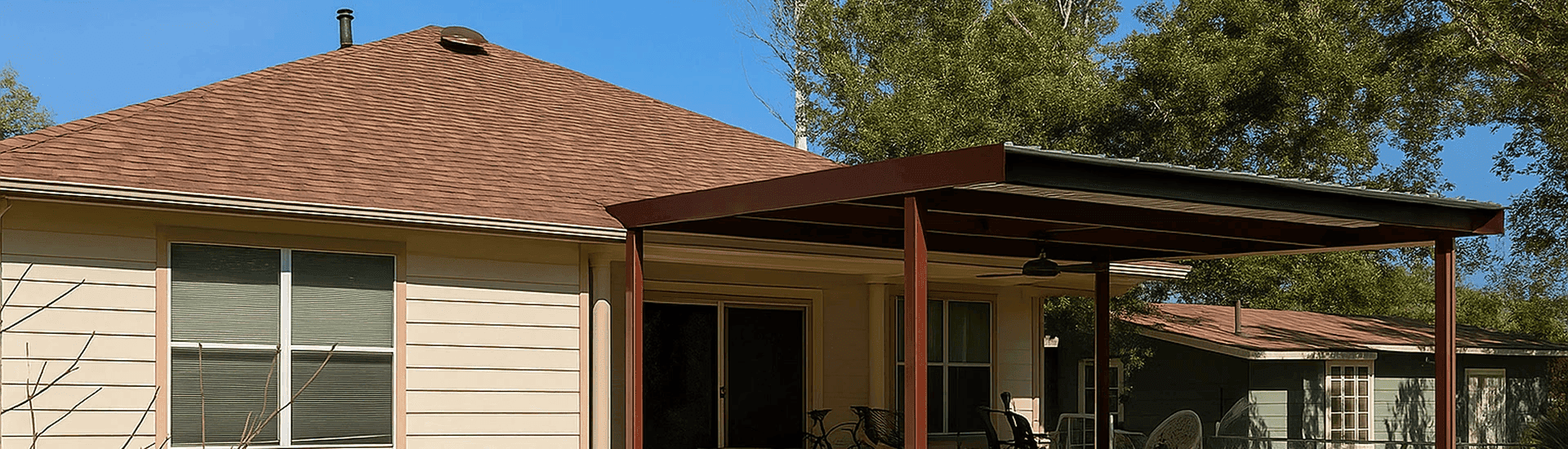
Bigboy Roofing
Bigboy Roofing
Bigboy Roofing
|
|
|
January 28, 2026
January 28, 2026
January 28, 2026
Windy winter rain shows hidden entry points. One week your roof looks fine. The next, a cold, gusty rain rolls through Central Texas and you notice a brown ring on the ceiling, a damp closet corner, or that “wet attic” smell. If you are searching for roof leak repair in Belton, the frustrating part is this: a roof can leak only during wind-driven rain, then stay dry during normal rain.
That is not your imagination. Wind changes how water moves. Instead of falling straight down and shedding off shingles, rain gets shoved sideways and upward, right into seams and edges that usually never see water pressure. Add fast temperature swings after a front, and small gaps can open just enough to let water track in.
Below is a practical, diagnostic guide to help you understand why windy rains expose leaks, where to look first in Belton-area homes, and how a professional leak trace turns a mystery drip into a written repair scope you can act on.
Why windy rain finds leaks that normal rain does not
Most residential roofs in Belton are designed to shed water that falls mostly vertical. Shingles overlap, underlayment backs them up, and flashing directs runoff around “interruptions” like chimneys, walls, vents, and valleys.
Wind-driven rain is different. Strong storm winds can push rain at an angle and increase pressure at roof edges, walls, and penetrations. Thunderstorm outflow and straight-line winds are common drivers of sudden gusts that can accompany heavy rain.
Here is what changes during a gusty winter rain:
Rain hits sideways. Water can be pushed into lap seams, nail lines, and the uphill side of flashing.
Pressure builds at openings. Vents, exhaust terminations, and roof-to-wall transitions can act like funnels when wind hits the right direction.
Shingles can lift slightly. Even a small “flutter” can break the seal line and let water slip under the shingle edge.
Water travels before it shows. A drip in a hallway might start near a bathroom vent, then run along framing and show up several feet away.
If you have ever watched gusts sweep across open water at Lake Belton, you have seen how wind can change direction quickly and hit hard. That same pattern can turn a “routine rain” into a leak-finder.
The most common leak entry points during wind-driven rain in Belton homes
When homeowners call Big Boy Roofing for roof leak repair in Belton, the culprit is often one of these spots (especially when the leak only happens with wind):
Flashing at roof-to-wall transitions
Any place a roof meets a vertical wall needs layered flashing (step flashing plus counterflashing or a proper termination detail). Wind-driven rain can force water behind siding or into the top edge of flashing if the layers are missing or installed wrong.
Clue: Stains at the top of a wall, near a corner, or beside a fireplace chase.
Plumbing vent boots
Those rubber boots around vent pipes bake in the Texas sun, then flex during cold fronts. Small cracks form, and wind-driven rain can push water right through them.
Clue: Drips that appear near bathrooms or laundry rooms after windy rain.
Ridge vents and attic ventilation details
Ventilation is essential, but the details matter. If ridge vent baffles or end caps are not correct, wind can push rain into the vent opening and soak the top of the attic insulation.
Clue: Damp insulation near the peak, not near the eaves.
Valleys
Valleys carry a lot of water. Debris buildup, worn metal, or a poorly sealed valley can leak under “high-volume, high-angle” rain.
Clue: Leaks that show up after long rain periods, especially when wind shifts.
Chimney and metal penetrations
Even if a chimney looks fine from the yard, the counterflashing and reglet cut (or sealed termination) can fail over time. Wind pushes water into tiny voids, then gravity does the rest.
Clue: Staining near a fireplace wall, especially after storms with gusty wind.
Drip edge and roof edge details
Edges take a beating. If the drip edge is missing, poorly overlapped, or the underlayment is not properly lapped over it, wind-driven rain can sneak under the first course of shingles.
Clue: Leaks that show near exterior walls after storms that hit one side of the home hardest.
A simple diagnostic approach you can do safely before calling a roofer
Before anyone gets on a roof, think safety first. Wet shingles are slick. Attics can have exposed nails, low clearance, and electrical hazards. If you are not comfortable, stop and call a pro.
That said, you can gather useful clues that make roof leak repair in Belton faster and more accurate.
Step one: Document the conditions
Write down:
Date and time you noticed the leak
Wind direction if you know it (for example, “windy rain from the north”)
How long it rained before the leak appeared
Whether it stopped when the rain stopped
This matters because wind direction often points to the actual entry side of the roof.
Step two: Find the “first wet” spot inside
Use a flashlight and look for:
A wet ring on drywall (feel for cool dampness)
Soft drywall or bubbling paint
Damp baseboards or trim if the leak is tracking down a wall
Take photos. A clear photo timeline helps your roofer map the path.
Step three: Check the attic only if it is safe
If you can safely peek into the attic:
Look for dark staining on wood
Look for shiny wet nail tips
Smell for that damp insulation odor
Note whether the wet area is near a vent pipe, ridge, or wall line
Do not step on drywall. Step only on framing if you know how to move safely. If you see active dripping near wiring, back out.
Step four: Do not “seal everything” with caulk
This is where many well-meaning homeowners make the final repair harder. Random caulk blobs can trap water, block drainage paths, and hide the true entry point.
A proper repair is usually a detailed fix (flashing, boot, underlayment edge, or shingle replacement), not a smear-and-hope approach.
Why winter fronts in Central Texas can make leaks show up
Belton sits in a part of Texas that sees quick shifts: warm humid air can be replaced by a sharp front, and storms can ride that boundary. Gusty winds can happen ahead of the line, during the downpour, and again behind it.
The National Weather Service frequently emphasizes that high wind events can bring strong gusts that create hazards and damage. When those gusts arrive with rain, your roof gets tested in a way a calm rain never tests it.
Also, “wind plus rain” is not only a hurricane-coast issue. Severe storms and straight-line winds can occur inland and still push water into roof details.
Local note: Many Belton neighborhoods have mature trees. Wind can drop limbs, scrape shingles, or crack a vent cap without leaving obvious “storm damage” from the curb. A small hit can turn into a leak only when the rain comes in sideways.
A real Belton homeowner scenario (what we see in the field)
Here is a common pattern Big Boy Roofing runs into during roof leak repair in Belton calls:
A homeowner near the I-35 corridor notices a water stain forming above a guest bedroom after a gusty winter rain. No leak during normal showers. No missing shingles visible from the yard. The attic shows damp insulation closer to the ridge than the eaves, and the stain is a few feet away from a bathroom.
On inspection, the roof shingles are mostly intact, but the plumbing vent boot has hairline cracking at the rubber collar. During a calm rain, water sheds around it. During a hard, windy rain, gusts push water up the pipe and under the cracked collar. Water runs along the underside of the decking, hits a truss, then follows it until it drops near the bedroom ceiling. The interior stain is not directly under the vent, which is why it feels confusing.
The fix is not guesswork:
Replace the vent boot with a correctly sized, properly integrated boot
Rework shingles around the penetration
Confirm no decking rot
Verify the leak path is dry after the next rain cycle (or via controlled testing when appropriate)
That is what a diagnostic approach looks like: evidence first, then a scoped repair.
What professional leak tracing looks like (and why it saves money)
A strong roofing company does not start with assumptions. For roof leak repair in Belton, a solid process usually includes:
Exterior inspection focused on wind entry angles
Wind leaks are directional. A technician looks at:
The windward side edges
Wall transitions on the storm-facing side
Penetrations and flashing laps on the side that took the gusts
Attic mapping
Attic evidence often tells the truth:
Stain direction
Drip points
Wet insulation pattern
Whether the leak is from the roof or from condensation (yes, that happens too)
Targeted repair plan
Instead of “replace everything,” you get:
The most likely entry point
Photos of the failing detail
A written scope of repair
Clear options (repair now vs. plan replacement later if the roof is at end of life)
If you want the team to handle this step-by-step, use the service page here: Roof Repair.
Wind-driven rain entry points that homeowners often misdiagnose
Even smart homeowners can get thrown off by these:
“It must be the skylight”
Sometimes it is. Often it is not. Water can enter uphill and travel along framing until it shows near a skylight opening.
“My gutters are overflowing so the roof must be leaking”
Overflow can cause fascia and soffit wetness, but interior leaks often come from flashing or penetrations. Both can be true, but they are fixed differently.
“It only leaks when the wind blows, so the shingles must be bad”
Not always. A roof can have good shingles and still leak at one boot, one flashing seam, or one valley.
Practical prevention tips that fit Belton homes
If you want fewer surprises during the next windy winter rain, focus on the details that fail most often:
Replace aging vent boots before they crack. This is one of the most common “hidden” leak sources.
Keep valleys clear. Leaves and grit hold water where it should be moving.
Trim back tree limbs. Rubbing and impact damage can create small openings.
Check flashing at additions and porch tie-ins. These roof-to-wall lines are frequent leak zones.
Schedule periodic inspections. Especially after a storm line with heavy wind.
A quick comparison to highlight why local weather matters: In places like Huron, hail can shred shingles and make damage obvious fast. In parts of Ohio, sudden “monsoon-style” downpours can overwhelm drainage and expose weak valleys. Belton’s windy fronts often do something sneakier: they find the smallest gap and push water uphill until it shows up inside.
Storm discussion and reputable sources
When storms include strong winds, the roof’s water-shedding design gets stressed in ways homeowners do not expect. NOAA’s National Severe Storms Laboratory explains that damaging thunderstorm winds often come from outflow processes and can be intense at ground level. The National Weather Service also outlines high wind alerts and the need to take action during strong wind events.
For Central Texas climate context and local records, NWS resources like the Waco area climatology pages provide official weather summaries and historical climate data.
When to call Big Boy Roofing
Call sooner (not later) if you notice:
Active dripping
A ceiling bulge
Multiple stain locations
Wet insulation in the attic
Moldy or musty odors after storms
And remember the compliance line in plain English: Big Boy Roofing can document the problem, trace the entry point, and provide a clear repair scope. No coverage promises. No claim negotiation. The goal is safe documentation and quality repair work you can trust.
If you want to stop guessing and get a plan, schedule roof leak repair in Belton with a diagnostic visit that ends in a written scope.
If you prefer to stop by and see where we are based, you can also visit us in Belton, TX.
If windy winter rain exposed a leak, do not wait for the next front to make it worse. Book roof leak repair in Belton with Big Boy Roofing today. Book a roof repair visit for leak tracing and a written scope.
Frequently Asked Questions
Why does my roof leak only when the wind is strong?
Because wind can push rain sideways and upward into seams, flashing laps, vent boots, and ridge vent details. Calm rain may never reach those weak points. A targeted inspection for roof leak repair in Belton focuses on the storm-facing side and the most likely entry details.
Is a ceiling stain always directly under the leak?
No. Water often travels along decking, rafters, or trusses before it drops. That is why attic mapping is so valuable.
Should I go on the roof and tarp it?
Only if it is safe and you know what you are doing. Wet shingles are dangerous, and an incorrectly placed tarp can funnel water into new areas. When in doubt, document the leak inside and call a professional.
What should I photograph for a roofer?
Take photos of the stain, any bubbling paint, the room location, and (if safe) attic staining or wet insulation. Also note wind direction and how long the rain lasted.
Can you help if the leak might involve insurance?
Big Boy Roofing can inspect, document damage, and provide a repair scope. We do not promise coverage outcomes and we do not negotiate claims. The focus is accurate documentation and repair work.
Windy winter rain shows hidden entry points. One week your roof looks fine. The next, a cold, gusty rain rolls through Central Texas and you notice a brown ring on the ceiling, a damp closet corner, or that “wet attic” smell. If you are searching for roof leak repair in Belton, the frustrating part is this: a roof can leak only during wind-driven rain, then stay dry during normal rain.
That is not your imagination. Wind changes how water moves. Instead of falling straight down and shedding off shingles, rain gets shoved sideways and upward, right into seams and edges that usually never see water pressure. Add fast temperature swings after a front, and small gaps can open just enough to let water track in.
Below is a practical, diagnostic guide to help you understand why windy rains expose leaks, where to look first in Belton-area homes, and how a professional leak trace turns a mystery drip into a written repair scope you can act on.
Why windy rain finds leaks that normal rain does not
Most residential roofs in Belton are designed to shed water that falls mostly vertical. Shingles overlap, underlayment backs them up, and flashing directs runoff around “interruptions” like chimneys, walls, vents, and valleys.
Wind-driven rain is different. Strong storm winds can push rain at an angle and increase pressure at roof edges, walls, and penetrations. Thunderstorm outflow and straight-line winds are common drivers of sudden gusts that can accompany heavy rain.
Here is what changes during a gusty winter rain:
Rain hits sideways. Water can be pushed into lap seams, nail lines, and the uphill side of flashing.
Pressure builds at openings. Vents, exhaust terminations, and roof-to-wall transitions can act like funnels when wind hits the right direction.
Shingles can lift slightly. Even a small “flutter” can break the seal line and let water slip under the shingle edge.
Water travels before it shows. A drip in a hallway might start near a bathroom vent, then run along framing and show up several feet away.
If you have ever watched gusts sweep across open water at Lake Belton, you have seen how wind can change direction quickly and hit hard. That same pattern can turn a “routine rain” into a leak-finder.
The most common leak entry points during wind-driven rain in Belton homes
When homeowners call Big Boy Roofing for roof leak repair in Belton, the culprit is often one of these spots (especially when the leak only happens with wind):
Flashing at roof-to-wall transitions
Any place a roof meets a vertical wall needs layered flashing (step flashing plus counterflashing or a proper termination detail). Wind-driven rain can force water behind siding or into the top edge of flashing if the layers are missing or installed wrong.
Clue: Stains at the top of a wall, near a corner, or beside a fireplace chase.
Plumbing vent boots
Those rubber boots around vent pipes bake in the Texas sun, then flex during cold fronts. Small cracks form, and wind-driven rain can push water right through them.
Clue: Drips that appear near bathrooms or laundry rooms after windy rain.
Ridge vents and attic ventilation details
Ventilation is essential, but the details matter. If ridge vent baffles or end caps are not correct, wind can push rain into the vent opening and soak the top of the attic insulation.
Clue: Damp insulation near the peak, not near the eaves.
Valleys
Valleys carry a lot of water. Debris buildup, worn metal, or a poorly sealed valley can leak under “high-volume, high-angle” rain.
Clue: Leaks that show up after long rain periods, especially when wind shifts.
Chimney and metal penetrations
Even if a chimney looks fine from the yard, the counterflashing and reglet cut (or sealed termination) can fail over time. Wind pushes water into tiny voids, then gravity does the rest.
Clue: Staining near a fireplace wall, especially after storms with gusty wind.
Drip edge and roof edge details
Edges take a beating. If the drip edge is missing, poorly overlapped, or the underlayment is not properly lapped over it, wind-driven rain can sneak under the first course of shingles.
Clue: Leaks that show near exterior walls after storms that hit one side of the home hardest.
A simple diagnostic approach you can do safely before calling a roofer
Before anyone gets on a roof, think safety first. Wet shingles are slick. Attics can have exposed nails, low clearance, and electrical hazards. If you are not comfortable, stop and call a pro.
That said, you can gather useful clues that make roof leak repair in Belton faster and more accurate.
Step one: Document the conditions
Write down:
Date and time you noticed the leak
Wind direction if you know it (for example, “windy rain from the north”)
How long it rained before the leak appeared
Whether it stopped when the rain stopped
This matters because wind direction often points to the actual entry side of the roof.
Step two: Find the “first wet” spot inside
Use a flashlight and look for:
A wet ring on drywall (feel for cool dampness)
Soft drywall or bubbling paint
Damp baseboards or trim if the leak is tracking down a wall
Take photos. A clear photo timeline helps your roofer map the path.
Step three: Check the attic only if it is safe
If you can safely peek into the attic:
Look for dark staining on wood
Look for shiny wet nail tips
Smell for that damp insulation odor
Note whether the wet area is near a vent pipe, ridge, or wall line
Do not step on drywall. Step only on framing if you know how to move safely. If you see active dripping near wiring, back out.
Step four: Do not “seal everything” with caulk
This is where many well-meaning homeowners make the final repair harder. Random caulk blobs can trap water, block drainage paths, and hide the true entry point.
A proper repair is usually a detailed fix (flashing, boot, underlayment edge, or shingle replacement), not a smear-and-hope approach.
Why winter fronts in Central Texas can make leaks show up
Belton sits in a part of Texas that sees quick shifts: warm humid air can be replaced by a sharp front, and storms can ride that boundary. Gusty winds can happen ahead of the line, during the downpour, and again behind it.
The National Weather Service frequently emphasizes that high wind events can bring strong gusts that create hazards and damage. When those gusts arrive with rain, your roof gets tested in a way a calm rain never tests it.
Also, “wind plus rain” is not only a hurricane-coast issue. Severe storms and straight-line winds can occur inland and still push water into roof details.
Local note: Many Belton neighborhoods have mature trees. Wind can drop limbs, scrape shingles, or crack a vent cap without leaving obvious “storm damage” from the curb. A small hit can turn into a leak only when the rain comes in sideways.
A real Belton homeowner scenario (what we see in the field)
Here is a common pattern Big Boy Roofing runs into during roof leak repair in Belton calls:
A homeowner near the I-35 corridor notices a water stain forming above a guest bedroom after a gusty winter rain. No leak during normal showers. No missing shingles visible from the yard. The attic shows damp insulation closer to the ridge than the eaves, and the stain is a few feet away from a bathroom.
On inspection, the roof shingles are mostly intact, but the plumbing vent boot has hairline cracking at the rubber collar. During a calm rain, water sheds around it. During a hard, windy rain, gusts push water up the pipe and under the cracked collar. Water runs along the underside of the decking, hits a truss, then follows it until it drops near the bedroom ceiling. The interior stain is not directly under the vent, which is why it feels confusing.
The fix is not guesswork:
Replace the vent boot with a correctly sized, properly integrated boot
Rework shingles around the penetration
Confirm no decking rot
Verify the leak path is dry after the next rain cycle (or via controlled testing when appropriate)
That is what a diagnostic approach looks like: evidence first, then a scoped repair.
What professional leak tracing looks like (and why it saves money)
A strong roofing company does not start with assumptions. For roof leak repair in Belton, a solid process usually includes:
Exterior inspection focused on wind entry angles
Wind leaks are directional. A technician looks at:
The windward side edges
Wall transitions on the storm-facing side
Penetrations and flashing laps on the side that took the gusts
Attic mapping
Attic evidence often tells the truth:
Stain direction
Drip points
Wet insulation pattern
Whether the leak is from the roof or from condensation (yes, that happens too)
Targeted repair plan
Instead of “replace everything,” you get:
The most likely entry point
Photos of the failing detail
A written scope of repair
Clear options (repair now vs. plan replacement later if the roof is at end of life)
If you want the team to handle this step-by-step, use the service page here: Roof Repair.
Wind-driven rain entry points that homeowners often misdiagnose
Even smart homeowners can get thrown off by these:
“It must be the skylight”
Sometimes it is. Often it is not. Water can enter uphill and travel along framing until it shows near a skylight opening.
“My gutters are overflowing so the roof must be leaking”
Overflow can cause fascia and soffit wetness, but interior leaks often come from flashing or penetrations. Both can be true, but they are fixed differently.
“It only leaks when the wind blows, so the shingles must be bad”
Not always. A roof can have good shingles and still leak at one boot, one flashing seam, or one valley.
Practical prevention tips that fit Belton homes
If you want fewer surprises during the next windy winter rain, focus on the details that fail most often:
Replace aging vent boots before they crack. This is one of the most common “hidden” leak sources.
Keep valleys clear. Leaves and grit hold water where it should be moving.
Trim back tree limbs. Rubbing and impact damage can create small openings.
Check flashing at additions and porch tie-ins. These roof-to-wall lines are frequent leak zones.
Schedule periodic inspections. Especially after a storm line with heavy wind.
A quick comparison to highlight why local weather matters: In places like Huron, hail can shred shingles and make damage obvious fast. In parts of Ohio, sudden “monsoon-style” downpours can overwhelm drainage and expose weak valleys. Belton’s windy fronts often do something sneakier: they find the smallest gap and push water uphill until it shows up inside.
Storm discussion and reputable sources
When storms include strong winds, the roof’s water-shedding design gets stressed in ways homeowners do not expect. NOAA’s National Severe Storms Laboratory explains that damaging thunderstorm winds often come from outflow processes and can be intense at ground level. The National Weather Service also outlines high wind alerts and the need to take action during strong wind events.
For Central Texas climate context and local records, NWS resources like the Waco area climatology pages provide official weather summaries and historical climate data.
When to call Big Boy Roofing
Call sooner (not later) if you notice:
Active dripping
A ceiling bulge
Multiple stain locations
Wet insulation in the attic
Moldy or musty odors after storms
And remember the compliance line in plain English: Big Boy Roofing can document the problem, trace the entry point, and provide a clear repair scope. No coverage promises. No claim negotiation. The goal is safe documentation and quality repair work you can trust.
If you want to stop guessing and get a plan, schedule roof leak repair in Belton with a diagnostic visit that ends in a written scope.
If you prefer to stop by and see where we are based, you can also visit us in Belton, TX.
If windy winter rain exposed a leak, do not wait for the next front to make it worse. Book roof leak repair in Belton with Big Boy Roofing today. Book a roof repair visit for leak tracing and a written scope.
Frequently Asked Questions
Why does my roof leak only when the wind is strong?
Because wind can push rain sideways and upward into seams, flashing laps, vent boots, and ridge vent details. Calm rain may never reach those weak points. A targeted inspection for roof leak repair in Belton focuses on the storm-facing side and the most likely entry details.
Is a ceiling stain always directly under the leak?
No. Water often travels along decking, rafters, or trusses before it drops. That is why attic mapping is so valuable.
Should I go on the roof and tarp it?
Only if it is safe and you know what you are doing. Wet shingles are dangerous, and an incorrectly placed tarp can funnel water into new areas. When in doubt, document the leak inside and call a professional.
What should I photograph for a roofer?
Take photos of the stain, any bubbling paint, the room location, and (if safe) attic staining or wet insulation. Also note wind direction and how long the rain lasted.
Can you help if the leak might involve insurance?
Big Boy Roofing can inspect, document damage, and provide a repair scope. We do not promise coverage outcomes and we do not negotiate claims. The focus is accurate documentation and repair work.
Windy winter rain shows hidden entry points. One week your roof looks fine. The next, a cold, gusty rain rolls through Central Texas and you notice a brown ring on the ceiling, a damp closet corner, or that “wet attic” smell. If you are searching for roof leak repair in Belton, the frustrating part is this: a roof can leak only during wind-driven rain, then stay dry during normal rain.
That is not your imagination. Wind changes how water moves. Instead of falling straight down and shedding off shingles, rain gets shoved sideways and upward, right into seams and edges that usually never see water pressure. Add fast temperature swings after a front, and small gaps can open just enough to let water track in.
Below is a practical, diagnostic guide to help you understand why windy rains expose leaks, where to look first in Belton-area homes, and how a professional leak trace turns a mystery drip into a written repair scope you can act on.
Why windy rain finds leaks that normal rain does not
Most residential roofs in Belton are designed to shed water that falls mostly vertical. Shingles overlap, underlayment backs them up, and flashing directs runoff around “interruptions” like chimneys, walls, vents, and valleys.
Wind-driven rain is different. Strong storm winds can push rain at an angle and increase pressure at roof edges, walls, and penetrations. Thunderstorm outflow and straight-line winds are common drivers of sudden gusts that can accompany heavy rain.
Here is what changes during a gusty winter rain:
Rain hits sideways. Water can be pushed into lap seams, nail lines, and the uphill side of flashing.
Pressure builds at openings. Vents, exhaust terminations, and roof-to-wall transitions can act like funnels when wind hits the right direction.
Shingles can lift slightly. Even a small “flutter” can break the seal line and let water slip under the shingle edge.
Water travels before it shows. A drip in a hallway might start near a bathroom vent, then run along framing and show up several feet away.
If you have ever watched gusts sweep across open water at Lake Belton, you have seen how wind can change direction quickly and hit hard. That same pattern can turn a “routine rain” into a leak-finder.
The most common leak entry points during wind-driven rain in Belton homes
When homeowners call Big Boy Roofing for roof leak repair in Belton, the culprit is often one of these spots (especially when the leak only happens with wind):
Flashing at roof-to-wall transitions
Any place a roof meets a vertical wall needs layered flashing (step flashing plus counterflashing or a proper termination detail). Wind-driven rain can force water behind siding or into the top edge of flashing if the layers are missing or installed wrong.
Clue: Stains at the top of a wall, near a corner, or beside a fireplace chase.
Plumbing vent boots
Those rubber boots around vent pipes bake in the Texas sun, then flex during cold fronts. Small cracks form, and wind-driven rain can push water right through them.
Clue: Drips that appear near bathrooms or laundry rooms after windy rain.
Ridge vents and attic ventilation details
Ventilation is essential, but the details matter. If ridge vent baffles or end caps are not correct, wind can push rain into the vent opening and soak the top of the attic insulation.
Clue: Damp insulation near the peak, not near the eaves.
Valleys
Valleys carry a lot of water. Debris buildup, worn metal, or a poorly sealed valley can leak under “high-volume, high-angle” rain.
Clue: Leaks that show up after long rain periods, especially when wind shifts.
Chimney and metal penetrations
Even if a chimney looks fine from the yard, the counterflashing and reglet cut (or sealed termination) can fail over time. Wind pushes water into tiny voids, then gravity does the rest.
Clue: Staining near a fireplace wall, especially after storms with gusty wind.
Drip edge and roof edge details
Edges take a beating. If the drip edge is missing, poorly overlapped, or the underlayment is not properly lapped over it, wind-driven rain can sneak under the first course of shingles.
Clue: Leaks that show near exterior walls after storms that hit one side of the home hardest.
A simple diagnostic approach you can do safely before calling a roofer
Before anyone gets on a roof, think safety first. Wet shingles are slick. Attics can have exposed nails, low clearance, and electrical hazards. If you are not comfortable, stop and call a pro.
That said, you can gather useful clues that make roof leak repair in Belton faster and more accurate.
Step one: Document the conditions
Write down:
Date and time you noticed the leak
Wind direction if you know it (for example, “windy rain from the north”)
How long it rained before the leak appeared
Whether it stopped when the rain stopped
This matters because wind direction often points to the actual entry side of the roof.
Step two: Find the “first wet” spot inside
Use a flashlight and look for:
A wet ring on drywall (feel for cool dampness)
Soft drywall or bubbling paint
Damp baseboards or trim if the leak is tracking down a wall
Take photos. A clear photo timeline helps your roofer map the path.
Step three: Check the attic only if it is safe
If you can safely peek into the attic:
Look for dark staining on wood
Look for shiny wet nail tips
Smell for that damp insulation odor
Note whether the wet area is near a vent pipe, ridge, or wall line
Do not step on drywall. Step only on framing if you know how to move safely. If you see active dripping near wiring, back out.
Step four: Do not “seal everything” with caulk
This is where many well-meaning homeowners make the final repair harder. Random caulk blobs can trap water, block drainage paths, and hide the true entry point.
A proper repair is usually a detailed fix (flashing, boot, underlayment edge, or shingle replacement), not a smear-and-hope approach.
Why winter fronts in Central Texas can make leaks show up
Belton sits in a part of Texas that sees quick shifts: warm humid air can be replaced by a sharp front, and storms can ride that boundary. Gusty winds can happen ahead of the line, during the downpour, and again behind it.
The National Weather Service frequently emphasizes that high wind events can bring strong gusts that create hazards and damage. When those gusts arrive with rain, your roof gets tested in a way a calm rain never tests it.
Also, “wind plus rain” is not only a hurricane-coast issue. Severe storms and straight-line winds can occur inland and still push water into roof details.
Local note: Many Belton neighborhoods have mature trees. Wind can drop limbs, scrape shingles, or crack a vent cap without leaving obvious “storm damage” from the curb. A small hit can turn into a leak only when the rain comes in sideways.
A real Belton homeowner scenario (what we see in the field)
Here is a common pattern Big Boy Roofing runs into during roof leak repair in Belton calls:
A homeowner near the I-35 corridor notices a water stain forming above a guest bedroom after a gusty winter rain. No leak during normal showers. No missing shingles visible from the yard. The attic shows damp insulation closer to the ridge than the eaves, and the stain is a few feet away from a bathroom.
On inspection, the roof shingles are mostly intact, but the plumbing vent boot has hairline cracking at the rubber collar. During a calm rain, water sheds around it. During a hard, windy rain, gusts push water up the pipe and under the cracked collar. Water runs along the underside of the decking, hits a truss, then follows it until it drops near the bedroom ceiling. The interior stain is not directly under the vent, which is why it feels confusing.
The fix is not guesswork:
Replace the vent boot with a correctly sized, properly integrated boot
Rework shingles around the penetration
Confirm no decking rot
Verify the leak path is dry after the next rain cycle (or via controlled testing when appropriate)
That is what a diagnostic approach looks like: evidence first, then a scoped repair.
What professional leak tracing looks like (and why it saves money)
A strong roofing company does not start with assumptions. For roof leak repair in Belton, a solid process usually includes:
Exterior inspection focused on wind entry angles
Wind leaks are directional. A technician looks at:
The windward side edges
Wall transitions on the storm-facing side
Penetrations and flashing laps on the side that took the gusts
Attic mapping
Attic evidence often tells the truth:
Stain direction
Drip points
Wet insulation pattern
Whether the leak is from the roof or from condensation (yes, that happens too)
Targeted repair plan
Instead of “replace everything,” you get:
The most likely entry point
Photos of the failing detail
A written scope of repair
Clear options (repair now vs. plan replacement later if the roof is at end of life)
If you want the team to handle this step-by-step, use the service page here: Roof Repair.
Wind-driven rain entry points that homeowners often misdiagnose
Even smart homeowners can get thrown off by these:
“It must be the skylight”
Sometimes it is. Often it is not. Water can enter uphill and travel along framing until it shows near a skylight opening.
“My gutters are overflowing so the roof must be leaking”
Overflow can cause fascia and soffit wetness, but interior leaks often come from flashing or penetrations. Both can be true, but they are fixed differently.
“It only leaks when the wind blows, so the shingles must be bad”
Not always. A roof can have good shingles and still leak at one boot, one flashing seam, or one valley.
Practical prevention tips that fit Belton homes
If you want fewer surprises during the next windy winter rain, focus on the details that fail most often:
Replace aging vent boots before they crack. This is one of the most common “hidden” leak sources.
Keep valleys clear. Leaves and grit hold water where it should be moving.
Trim back tree limbs. Rubbing and impact damage can create small openings.
Check flashing at additions and porch tie-ins. These roof-to-wall lines are frequent leak zones.
Schedule periodic inspections. Especially after a storm line with heavy wind.
A quick comparison to highlight why local weather matters: In places like Huron, hail can shred shingles and make damage obvious fast. In parts of Ohio, sudden “monsoon-style” downpours can overwhelm drainage and expose weak valleys. Belton’s windy fronts often do something sneakier: they find the smallest gap and push water uphill until it shows up inside.
Storm discussion and reputable sources
When storms include strong winds, the roof’s water-shedding design gets stressed in ways homeowners do not expect. NOAA’s National Severe Storms Laboratory explains that damaging thunderstorm winds often come from outflow processes and can be intense at ground level. The National Weather Service also outlines high wind alerts and the need to take action during strong wind events.
For Central Texas climate context and local records, NWS resources like the Waco area climatology pages provide official weather summaries and historical climate data.
When to call Big Boy Roofing
Call sooner (not later) if you notice:
Active dripping
A ceiling bulge
Multiple stain locations
Wet insulation in the attic
Moldy or musty odors after storms
And remember the compliance line in plain English: Big Boy Roofing can document the problem, trace the entry point, and provide a clear repair scope. No coverage promises. No claim negotiation. The goal is safe documentation and quality repair work you can trust.
If you want to stop guessing and get a plan, schedule roof leak repair in Belton with a diagnostic visit that ends in a written scope.
If you prefer to stop by and see where we are based, you can also visit us in Belton, TX.
If windy winter rain exposed a leak, do not wait for the next front to make it worse. Book roof leak repair in Belton with Big Boy Roofing today. Book a roof repair visit for leak tracing and a written scope.
Frequently Asked Questions
Why does my roof leak only when the wind is strong?
Because wind can push rain sideways and upward into seams, flashing laps, vent boots, and ridge vent details. Calm rain may never reach those weak points. A targeted inspection for roof leak repair in Belton focuses on the storm-facing side and the most likely entry details.
Is a ceiling stain always directly under the leak?
No. Water often travels along decking, rafters, or trusses before it drops. That is why attic mapping is so valuable.
Should I go on the roof and tarp it?
Only if it is safe and you know what you are doing. Wet shingles are dangerous, and an incorrectly placed tarp can funnel water into new areas. When in doubt, document the leak inside and call a professional.
What should I photograph for a roofer?
Take photos of the stain, any bubbling paint, the room location, and (if safe) attic staining or wet insulation. Also note wind direction and how long the rain lasted.
Can you help if the leak might involve insurance?
Big Boy Roofing can inspect, document damage, and provide a repair scope. We do not promise coverage outcomes and we do not negotiate claims. The focus is accurate documentation and repair work.
Bigboy Roofing
Bigboy Roofing
Bigboy Roofing
|
|
|
January 28, 2026
January 28, 2026
January 28, 2026
Winter is prime time for interior refreshment. In Temple, you spend more time indoors when nights run colder, heaters cycle on and off, and the house feels a little more “lived in.” That’s when scuffs show up along hallways, nail pops catch the lamp light, and trim starts looking tired near the front door. If you’ve been thinking about painting touch ups in Temple, you’re in the right season to do it, because indoor conditions are often steady enough to prep, patch, and blend without rushing.
This is a homeowner-first story and a practical plan. You’ll learn why winter walls look rougher, the small fixes that make the biggest visual difference, and how Big Boy Roofing can help when the issue is more than paint.
Why Winter Walls Look Worse In Temple Homes
Most people notice wall flaws more in winter, and it’s not because your paint suddenly got worse overnight. It’s usually because winter changes light, airflow, and humidity patterns inside the home.
Here’s what’s going on:
Low-angle sunlight is harsher. Winter sun hits walls at a flatter angle, especially in the morning and late afternoon. That light makes bumps and roller marks look louder.
Indoor air gets drier in heated rooms. Dry air can highlight tiny drywall seams and make caulk lines shrink at trim corners.
Humidity swings can still happen. Even in Central Texas, a cool night followed by a warm day can cause indoor moisture to shift. NOAA explains that condensation depends on the difference between air temperature and dew point temperature, and when air cools to the dew point, moisture can condense.
Daily traffic increases. More time inside means more fingerprints around switches, backpack scuffs in hallways, and chair rub marks near dining walls.
That’s why a weekend of painting touch ups in Temple can make your home feel noticeably cleaner without repainting every room.
A Temple Homeowner Story That Makes This Real
One Temple homeowner called Big Boy Roofing after the holidays with a simple complaint: “My walls look fine until the morning light hits them, then it looks like the house needs a full repaint.”
When our team walked home, it wasn’t “everything.” It was three problem zones:
The entry hallway had dark scuffs at knee height from moving boxes and shoes.
The living room had two small nail pops that cast shadows in the window light.
The baseboards by the kitchen looked dingy where mops and vacuums had nicked the paint.
Instead of pushing a full repaint, we recommended targeted painting touch ups in Temple with proper prep: clean, patch, spot-prime, then blend using the right roller nap and feathering technique. The result was the homeowner’s favorite kind of improvement: the walls looked “normal again,” and guests stopped noticing the flaws.
The Real Causes Behind Scuffs, Dings, And Winter Wear
If you want touch-ups to disappear, you need to know what caused the mark in the first place. Otherwise, the same spot will keep returning.
Cause One: Dirt And Skin Oils That Paint Holds Onto
Handprints around light switches, smudges near door frames, and hallway grime build up slowly. Paint can hold oils, and when you paint over them without cleaning, the touch-up can flash or peel sooner than expected.
Cause Two: Minor Drywall Movement
Houses move. Seasonal changes and normal settling can cause tiny cracks at corners, nail pops, or hairline seams. These are common and usually cosmetic, but they need the right patching approach so they don’t show through.
Cause Three: Moisture “Ghosting” Around Windows And Exterior Walls
Cold glass and warm indoor air can create moisture in certain conditions. NOAA’s National Weather Service defines relative humidity as moisture in the air relative to what the air could hold if saturated, and it changes with temperature.
You don’t need a “big moisture problem” for a small paint issue. Sometimes it’s as simple as condensation on a cold window edge that leaves faint marks over time. This is one reason we approach painting touch ups in Temple with an eye for comfort and airflow, not just color.
Cause Four: Roof Or Exterior Issues That Show Up Indoors
Here’s the crossover from roofing experience: a small roof leak can show up as a faint ceiling ring, and homeowners sometimes paint it without fixing the source. In Texas, storm-driven winds can be strong and sudden, and NOAA’s National Severe Storms Laboratory notes that many straight-line winds come from thunderstorm outflow.
We keep storm talk documentation-only and repair-focused, but the takeaway is simple: if you see recurring ceiling stains, it’s smarter to evaluate the source before you paint.
The Homeowner-First Plan For Cleaner Winter Walls
This is the part that saves you time and helps your touch-ups blend.
Step One: Pick The Right Targets
Walk your home with your phone flashlight or a lamp held low to the wall. Mark only what truly bothers you.
Most homeowners get the biggest win from:
Entry hall scuffs
Baseboards and door trim
Corners near couches and chairs
The wall behind the trash can or dog bowls
Switch plates and thermostat areas
A focused list makes painting touch ups in Temple feel manageable.
Step Two: Clean Before You Patch Or Paint
This is the step people skip, and it’s the step that makes a touch-up fail.
Use a mild cleaner and a damp cloth, then let the wall dry fully. You’re removing oils and dirt so new paint bonds evenly.
Step Three: Patch Small Imperfections The Right Way
Nail pops: Re-secure if needed, then patch thinly.
Small dents: Use lightweight spackle, applied in thin layers.
Hairline cracks: Use paintable caulk only where it belongs, usually at trim joints or stable seams.
Let patch material dry fully before sanding.
Step Four: Sand Lightly And Dust Off
A quick sand makes the repair disappear. Wipe away dust so your primer and paint lay smooth.
Step Five: Prime Only Where Needed
Spot-prime patched areas and any stained spots. This keeps your touch-up from looking dull or uneven.
This one detail is what separates “it’s still visible” from “I can’t find it anymore.”
How To Make Touch-Ups Disappear, Not Stand Out
A lot of people think the secret is “more paint.” It’s usually the opposite. The secret is blending.
Use The Same Sheen, Not Just The Same Color
Flat, eggshell, satin, semi-gloss all reflect light differently. If you use the wrong sheen, you’ll see a shiny square no matter how perfect the color match is.
Feather The Edges
Instead of painting a tight rectangle, spread paint outward with lighter pressure at the edges so the transition fades.
Match The Tool That Was Used Before
If the wall was rolled, touch it up with a mini roller, not only a brush.
If it was sprayed, a roller touch-up can look textured.
When we do painting touch ups in Temple, we pay attention to wall texture and roller nap because that is what your eye catches in daylight.
Know When A Full Wall Recoat Is The Better Choice
Sometimes a wall has enough wear that spot fixes will “constellate” across it. In that case, repainting one full wall can look cleaner than ten small patches.
Trim Touch-Ups That Make The Whole Room Look Newer
If walls are the background, trim is the frame. Clean trim changes the feel of a room fast.
For baseboards, door casings, and window trim:
Clean first, especially near floors
Lightly sand rough nicks
Fill deep gouges, then sand
Use controlled brush strokes along the trim line
Keep a steady hand at wall edges, or use painter’s tape if you prefer
Many homeowners in Temple love trim touch-ups in winter because the difference feels immediate. It’s one of the most satisfying types of painting touch ups in Temple.
Quick Notes On Weather And Why It Matters Even Indoors
Temple winters can be mild, but cold nights still change how your home behaves. When indoor temperature and moisture balance shift, you can get condensation on colder surfaces if air cools near the dew point, which NOAA describes in its water cycle education materials.
To give a wider perspective:
In Huron, hailstorms can be the big story, with obvious exterior damage that forces repairs.
In Ohio, sudden monsoons can soak siding and reveal weak drainage fast.
In Temple, winter is often quieter, which makes it perfect for interior projects. You’re not racing the summer heat or juggling open windows during high pollen days. That’s why painting touch ups in Temple fit the season so well.
When It’s Smart To Call Big Boy Roofing Instead Of DIY
DIY touch-ups are great for small, stable issues. Call for help if:
Stains keep returning (especially ceilings)
Cracks keep widening
Trim damage is widespread
You want a consistent finish across multiple rooms
You need a clear scope and a clean plan
Big Boy Roofing works with homeowners who want practical solutions without turning every small issue into a giant renovation. If you want service options, visit our Painting Service page.
And if you want directions or prefer to talk in person, you can visit us in Belton, TX. Winter is prime time for interior refresh, and small touch-ups can change how your whole home feels. If you want clean lines, blended patches, and a straightforward plan, reach out to Big Boy Roofing for painting touch ups in Temple.
Get a quick quote for small interior paint projects.
Frequently Asked Questions
How Do I Know If I Need Painting Touch ups in Temple Or A Full Repaint?
If the issues are isolated, like scuffs, small dents, and trim nicks, touch-ups are usually enough. If the wall has widespread fading, heavy marks everywhere, or patchy sheen differences, a full wall repaint may look cleaner.
Why Does My Touch-Up Look Darker Or Shinier Than The Rest Of The Wall?
Most often it’s a sheen mismatch, painting over dirt, or skipping spot primer. Light reflection is the giveaway. A clean surface, correct sheen, and blended edges help painting touch ups in Temple disappear.
Can I Paint Over Small Stains Without Fixing Anything Else?
You can, but if the stain is from moisture or a recurring source, it may come back. The safer move is to document what you see and evaluate the cause before you paint.
What Is The Easiest “High-Impact” Touch-Up Project?
Baseboards and door trim. Fresh trim lines make rooms look sharper even if the walls are only lightly refreshed. It’s one of the most noticeable results from painting touch ups in Temple.
How Long Should I Wait Before Washing Or Scrubbing A Touched-Up Area?
Follow the paint label guidance and keep cleaning gentle at first. Avoid aggressive scrubbing immediately after painting so the finish can set properly. We avoid warranty language and exaggerated durability claims because results depend on surface conditions and prep.
Winter is prime time for interior refreshment. In Temple, you spend more time indoors when nights run colder, heaters cycle on and off, and the house feels a little more “lived in.” That’s when scuffs show up along hallways, nail pops catch the lamp light, and trim starts looking tired near the front door. If you’ve been thinking about painting touch ups in Temple, you’re in the right season to do it, because indoor conditions are often steady enough to prep, patch, and blend without rushing.
This is a homeowner-first story and a practical plan. You’ll learn why winter walls look rougher, the small fixes that make the biggest visual difference, and how Big Boy Roofing can help when the issue is more than paint.
Why Winter Walls Look Worse In Temple Homes
Most people notice wall flaws more in winter, and it’s not because your paint suddenly got worse overnight. It’s usually because winter changes light, airflow, and humidity patterns inside the home.
Here’s what’s going on:
Low-angle sunlight is harsher. Winter sun hits walls at a flatter angle, especially in the morning and late afternoon. That light makes bumps and roller marks look louder.
Indoor air gets drier in heated rooms. Dry air can highlight tiny drywall seams and make caulk lines shrink at trim corners.
Humidity swings can still happen. Even in Central Texas, a cool night followed by a warm day can cause indoor moisture to shift. NOAA explains that condensation depends on the difference between air temperature and dew point temperature, and when air cools to the dew point, moisture can condense.
Daily traffic increases. More time inside means more fingerprints around switches, backpack scuffs in hallways, and chair rub marks near dining walls.
That’s why a weekend of painting touch ups in Temple can make your home feel noticeably cleaner without repainting every room.
A Temple Homeowner Story That Makes This Real
One Temple homeowner called Big Boy Roofing after the holidays with a simple complaint: “My walls look fine until the morning light hits them, then it looks like the house needs a full repaint.”
When our team walked home, it wasn’t “everything.” It was three problem zones:
The entry hallway had dark scuffs at knee height from moving boxes and shoes.
The living room had two small nail pops that cast shadows in the window light.
The baseboards by the kitchen looked dingy where mops and vacuums had nicked the paint.
Instead of pushing a full repaint, we recommended targeted painting touch ups in Temple with proper prep: clean, patch, spot-prime, then blend using the right roller nap and feathering technique. The result was the homeowner’s favorite kind of improvement: the walls looked “normal again,” and guests stopped noticing the flaws.
The Real Causes Behind Scuffs, Dings, And Winter Wear
If you want touch-ups to disappear, you need to know what caused the mark in the first place. Otherwise, the same spot will keep returning.
Cause One: Dirt And Skin Oils That Paint Holds Onto
Handprints around light switches, smudges near door frames, and hallway grime build up slowly. Paint can hold oils, and when you paint over them without cleaning, the touch-up can flash or peel sooner than expected.
Cause Two: Minor Drywall Movement
Houses move. Seasonal changes and normal settling can cause tiny cracks at corners, nail pops, or hairline seams. These are common and usually cosmetic, but they need the right patching approach so they don’t show through.
Cause Three: Moisture “Ghosting” Around Windows And Exterior Walls
Cold glass and warm indoor air can create moisture in certain conditions. NOAA’s National Weather Service defines relative humidity as moisture in the air relative to what the air could hold if saturated, and it changes with temperature.
You don’t need a “big moisture problem” for a small paint issue. Sometimes it’s as simple as condensation on a cold window edge that leaves faint marks over time. This is one reason we approach painting touch ups in Temple with an eye for comfort and airflow, not just color.
Cause Four: Roof Or Exterior Issues That Show Up Indoors
Here’s the crossover from roofing experience: a small roof leak can show up as a faint ceiling ring, and homeowners sometimes paint it without fixing the source. In Texas, storm-driven winds can be strong and sudden, and NOAA’s National Severe Storms Laboratory notes that many straight-line winds come from thunderstorm outflow.
We keep storm talk documentation-only and repair-focused, but the takeaway is simple: if you see recurring ceiling stains, it’s smarter to evaluate the source before you paint.
The Homeowner-First Plan For Cleaner Winter Walls
This is the part that saves you time and helps your touch-ups blend.
Step One: Pick The Right Targets
Walk your home with your phone flashlight or a lamp held low to the wall. Mark only what truly bothers you.
Most homeowners get the biggest win from:
Entry hall scuffs
Baseboards and door trim
Corners near couches and chairs
The wall behind the trash can or dog bowls
Switch plates and thermostat areas
A focused list makes painting touch ups in Temple feel manageable.
Step Two: Clean Before You Patch Or Paint
This is the step people skip, and it’s the step that makes a touch-up fail.
Use a mild cleaner and a damp cloth, then let the wall dry fully. You’re removing oils and dirt so new paint bonds evenly.
Step Three: Patch Small Imperfections The Right Way
Nail pops: Re-secure if needed, then patch thinly.
Small dents: Use lightweight spackle, applied in thin layers.
Hairline cracks: Use paintable caulk only where it belongs, usually at trim joints or stable seams.
Let patch material dry fully before sanding.
Step Four: Sand Lightly And Dust Off
A quick sand makes the repair disappear. Wipe away dust so your primer and paint lay smooth.
Step Five: Prime Only Where Needed
Spot-prime patched areas and any stained spots. This keeps your touch-up from looking dull or uneven.
This one detail is what separates “it’s still visible” from “I can’t find it anymore.”
How To Make Touch-Ups Disappear, Not Stand Out
A lot of people think the secret is “more paint.” It’s usually the opposite. The secret is blending.
Use The Same Sheen, Not Just The Same Color
Flat, eggshell, satin, semi-gloss all reflect light differently. If you use the wrong sheen, you’ll see a shiny square no matter how perfect the color match is.
Feather The Edges
Instead of painting a tight rectangle, spread paint outward with lighter pressure at the edges so the transition fades.
Match The Tool That Was Used Before
If the wall was rolled, touch it up with a mini roller, not only a brush.
If it was sprayed, a roller touch-up can look textured.
When we do painting touch ups in Temple, we pay attention to wall texture and roller nap because that is what your eye catches in daylight.
Know When A Full Wall Recoat Is The Better Choice
Sometimes a wall has enough wear that spot fixes will “constellate” across it. In that case, repainting one full wall can look cleaner than ten small patches.
Trim Touch-Ups That Make The Whole Room Look Newer
If walls are the background, trim is the frame. Clean trim changes the feel of a room fast.
For baseboards, door casings, and window trim:
Clean first, especially near floors
Lightly sand rough nicks
Fill deep gouges, then sand
Use controlled brush strokes along the trim line
Keep a steady hand at wall edges, or use painter’s tape if you prefer
Many homeowners in Temple love trim touch-ups in winter because the difference feels immediate. It’s one of the most satisfying types of painting touch ups in Temple.
Quick Notes On Weather And Why It Matters Even Indoors
Temple winters can be mild, but cold nights still change how your home behaves. When indoor temperature and moisture balance shift, you can get condensation on colder surfaces if air cools near the dew point, which NOAA describes in its water cycle education materials.
To give a wider perspective:
In Huron, hailstorms can be the big story, with obvious exterior damage that forces repairs.
In Ohio, sudden monsoons can soak siding and reveal weak drainage fast.
In Temple, winter is often quieter, which makes it perfect for interior projects. You’re not racing the summer heat or juggling open windows during high pollen days. That’s why painting touch ups in Temple fit the season so well.
When It’s Smart To Call Big Boy Roofing Instead Of DIY
DIY touch-ups are great for small, stable issues. Call for help if:
Stains keep returning (especially ceilings)
Cracks keep widening
Trim damage is widespread
You want a consistent finish across multiple rooms
You need a clear scope and a clean plan
Big Boy Roofing works with homeowners who want practical solutions without turning every small issue into a giant renovation. If you want service options, visit our Painting Service page.
And if you want directions or prefer to talk in person, you can visit us in Belton, TX. Winter is prime time for interior refresh, and small touch-ups can change how your whole home feels. If you want clean lines, blended patches, and a straightforward plan, reach out to Big Boy Roofing for painting touch ups in Temple.
Get a quick quote for small interior paint projects.
Frequently Asked Questions
How Do I Know If I Need Painting Touch ups in Temple Or A Full Repaint?
If the issues are isolated, like scuffs, small dents, and trim nicks, touch-ups are usually enough. If the wall has widespread fading, heavy marks everywhere, or patchy sheen differences, a full wall repaint may look cleaner.
Why Does My Touch-Up Look Darker Or Shinier Than The Rest Of The Wall?
Most often it’s a sheen mismatch, painting over dirt, or skipping spot primer. Light reflection is the giveaway. A clean surface, correct sheen, and blended edges help painting touch ups in Temple disappear.
Can I Paint Over Small Stains Without Fixing Anything Else?
You can, but if the stain is from moisture or a recurring source, it may come back. The safer move is to document what you see and evaluate the cause before you paint.
What Is The Easiest “High-Impact” Touch-Up Project?
Baseboards and door trim. Fresh trim lines make rooms look sharper even if the walls are only lightly refreshed. It’s one of the most noticeable results from painting touch ups in Temple.
How Long Should I Wait Before Washing Or Scrubbing A Touched-Up Area?
Follow the paint label guidance and keep cleaning gentle at first. Avoid aggressive scrubbing immediately after painting so the finish can set properly. We avoid warranty language and exaggerated durability claims because results depend on surface conditions and prep.
Winter is prime time for interior refreshment. In Temple, you spend more time indoors when nights run colder, heaters cycle on and off, and the house feels a little more “lived in.” That’s when scuffs show up along hallways, nail pops catch the lamp light, and trim starts looking tired near the front door. If you’ve been thinking about painting touch ups in Temple, you’re in the right season to do it, because indoor conditions are often steady enough to prep, patch, and blend without rushing.
This is a homeowner-first story and a practical plan. You’ll learn why winter walls look rougher, the small fixes that make the biggest visual difference, and how Big Boy Roofing can help when the issue is more than paint.
Why Winter Walls Look Worse In Temple Homes
Most people notice wall flaws more in winter, and it’s not because your paint suddenly got worse overnight. It’s usually because winter changes light, airflow, and humidity patterns inside the home.
Here’s what’s going on:
Low-angle sunlight is harsher. Winter sun hits walls at a flatter angle, especially in the morning and late afternoon. That light makes bumps and roller marks look louder.
Indoor air gets drier in heated rooms. Dry air can highlight tiny drywall seams and make caulk lines shrink at trim corners.
Humidity swings can still happen. Even in Central Texas, a cool night followed by a warm day can cause indoor moisture to shift. NOAA explains that condensation depends on the difference between air temperature and dew point temperature, and when air cools to the dew point, moisture can condense.
Daily traffic increases. More time inside means more fingerprints around switches, backpack scuffs in hallways, and chair rub marks near dining walls.
That’s why a weekend of painting touch ups in Temple can make your home feel noticeably cleaner without repainting every room.
A Temple Homeowner Story That Makes This Real
One Temple homeowner called Big Boy Roofing after the holidays with a simple complaint: “My walls look fine until the morning light hits them, then it looks like the house needs a full repaint.”
When our team walked home, it wasn’t “everything.” It was three problem zones:
The entry hallway had dark scuffs at knee height from moving boxes and shoes.
The living room had two small nail pops that cast shadows in the window light.
The baseboards by the kitchen looked dingy where mops and vacuums had nicked the paint.
Instead of pushing a full repaint, we recommended targeted painting touch ups in Temple with proper prep: clean, patch, spot-prime, then blend using the right roller nap and feathering technique. The result was the homeowner’s favorite kind of improvement: the walls looked “normal again,” and guests stopped noticing the flaws.
The Real Causes Behind Scuffs, Dings, And Winter Wear
If you want touch-ups to disappear, you need to know what caused the mark in the first place. Otherwise, the same spot will keep returning.
Cause One: Dirt And Skin Oils That Paint Holds Onto
Handprints around light switches, smudges near door frames, and hallway grime build up slowly. Paint can hold oils, and when you paint over them without cleaning, the touch-up can flash or peel sooner than expected.
Cause Two: Minor Drywall Movement
Houses move. Seasonal changes and normal settling can cause tiny cracks at corners, nail pops, or hairline seams. These are common and usually cosmetic, but they need the right patching approach so they don’t show through.
Cause Three: Moisture “Ghosting” Around Windows And Exterior Walls
Cold glass and warm indoor air can create moisture in certain conditions. NOAA’s National Weather Service defines relative humidity as moisture in the air relative to what the air could hold if saturated, and it changes with temperature.
You don’t need a “big moisture problem” for a small paint issue. Sometimes it’s as simple as condensation on a cold window edge that leaves faint marks over time. This is one reason we approach painting touch ups in Temple with an eye for comfort and airflow, not just color.
Cause Four: Roof Or Exterior Issues That Show Up Indoors
Here’s the crossover from roofing experience: a small roof leak can show up as a faint ceiling ring, and homeowners sometimes paint it without fixing the source. In Texas, storm-driven winds can be strong and sudden, and NOAA’s National Severe Storms Laboratory notes that many straight-line winds come from thunderstorm outflow.
We keep storm talk documentation-only and repair-focused, but the takeaway is simple: if you see recurring ceiling stains, it’s smarter to evaluate the source before you paint.
The Homeowner-First Plan For Cleaner Winter Walls
This is the part that saves you time and helps your touch-ups blend.
Step One: Pick The Right Targets
Walk your home with your phone flashlight or a lamp held low to the wall. Mark only what truly bothers you.
Most homeowners get the biggest win from:
Entry hall scuffs
Baseboards and door trim
Corners near couches and chairs
The wall behind the trash can or dog bowls
Switch plates and thermostat areas
A focused list makes painting touch ups in Temple feel manageable.
Step Two: Clean Before You Patch Or Paint
This is the step people skip, and it’s the step that makes a touch-up fail.
Use a mild cleaner and a damp cloth, then let the wall dry fully. You’re removing oils and dirt so new paint bonds evenly.
Step Three: Patch Small Imperfections The Right Way
Nail pops: Re-secure if needed, then patch thinly.
Small dents: Use lightweight spackle, applied in thin layers.
Hairline cracks: Use paintable caulk only where it belongs, usually at trim joints or stable seams.
Let patch material dry fully before sanding.
Step Four: Sand Lightly And Dust Off
A quick sand makes the repair disappear. Wipe away dust so your primer and paint lay smooth.
Step Five: Prime Only Where Needed
Spot-prime patched areas and any stained spots. This keeps your touch-up from looking dull or uneven.
This one detail is what separates “it’s still visible” from “I can’t find it anymore.”
How To Make Touch-Ups Disappear, Not Stand Out
A lot of people think the secret is “more paint.” It’s usually the opposite. The secret is blending.
Use The Same Sheen, Not Just The Same Color
Flat, eggshell, satin, semi-gloss all reflect light differently. If you use the wrong sheen, you’ll see a shiny square no matter how perfect the color match is.
Feather The Edges
Instead of painting a tight rectangle, spread paint outward with lighter pressure at the edges so the transition fades.
Match The Tool That Was Used Before
If the wall was rolled, touch it up with a mini roller, not only a brush.
If it was sprayed, a roller touch-up can look textured.
When we do painting touch ups in Temple, we pay attention to wall texture and roller nap because that is what your eye catches in daylight.
Know When A Full Wall Recoat Is The Better Choice
Sometimes a wall has enough wear that spot fixes will “constellate” across it. In that case, repainting one full wall can look cleaner than ten small patches.
Trim Touch-Ups That Make The Whole Room Look Newer
If walls are the background, trim is the frame. Clean trim changes the feel of a room fast.
For baseboards, door casings, and window trim:
Clean first, especially near floors
Lightly sand rough nicks
Fill deep gouges, then sand
Use controlled brush strokes along the trim line
Keep a steady hand at wall edges, or use painter’s tape if you prefer
Many homeowners in Temple love trim touch-ups in winter because the difference feels immediate. It’s one of the most satisfying types of painting touch ups in Temple.
Quick Notes On Weather And Why It Matters Even Indoors
Temple winters can be mild, but cold nights still change how your home behaves. When indoor temperature and moisture balance shift, you can get condensation on colder surfaces if air cools near the dew point, which NOAA describes in its water cycle education materials.
To give a wider perspective:
In Huron, hailstorms can be the big story, with obvious exterior damage that forces repairs.
In Ohio, sudden monsoons can soak siding and reveal weak drainage fast.
In Temple, winter is often quieter, which makes it perfect for interior projects. You’re not racing the summer heat or juggling open windows during high pollen days. That’s why painting touch ups in Temple fit the season so well.
When It’s Smart To Call Big Boy Roofing Instead Of DIY
DIY touch-ups are great for small, stable issues. Call for help if:
Stains keep returning (especially ceilings)
Cracks keep widening
Trim damage is widespread
You want a consistent finish across multiple rooms
You need a clear scope and a clean plan
Big Boy Roofing works with homeowners who want practical solutions without turning every small issue into a giant renovation. If you want service options, visit our Painting Service page.
And if you want directions or prefer to talk in person, you can visit us in Belton, TX. Winter is prime time for interior refresh, and small touch-ups can change how your whole home feels. If you want clean lines, blended patches, and a straightforward plan, reach out to Big Boy Roofing for painting touch ups in Temple.
Get a quick quote for small interior paint projects.
Frequently Asked Questions
How Do I Know If I Need Painting Touch ups in Temple Or A Full Repaint?
If the issues are isolated, like scuffs, small dents, and trim nicks, touch-ups are usually enough. If the wall has widespread fading, heavy marks everywhere, or patchy sheen differences, a full wall repaint may look cleaner.
Why Does My Touch-Up Look Darker Or Shinier Than The Rest Of The Wall?
Most often it’s a sheen mismatch, painting over dirt, or skipping spot primer. Light reflection is the giveaway. A clean surface, correct sheen, and blended edges help painting touch ups in Temple disappear.
Can I Paint Over Small Stains Without Fixing Anything Else?
You can, but if the stain is from moisture or a recurring source, it may come back. The safer move is to document what you see and evaluate the cause before you paint.
What Is The Easiest “High-Impact” Touch-Up Project?
Baseboards and door trim. Fresh trim lines make rooms look sharper even if the walls are only lightly refreshed. It’s one of the most noticeable results from painting touch ups in Temple.
How Long Should I Wait Before Washing Or Scrubbing A Touched-Up Area?
Follow the paint label guidance and keep cleaning gentle at first. Avoid aggressive scrubbing immediately after painting so the finish can set properly. We avoid warranty language and exaggerated durability claims because results depend on surface conditions and prep.



Request a Quote or Ask a Question
Let’s Talk About Your Roof
Have a question? Need a quote? Want someone to take a look at your roof, windows, or exterior? We’re here and ready to help.
We typically respond within a few hours. For emergencies, call us at (254) 239-4393.
Request a Quote or Ask a Question
Let’s Talk About Your Roof
Have a question? Need a quote? Want someone to take a look at your roof, windows, or exterior? We’re here and ready to help.
We typically respond within a few hours. For emergencies, call us at (254) 239-4393.
Request a Quote or Ask a Question
Let’s Talk About Your Roof
Have a question? Need a quote? Want someone to take a look at your roof, windows, or exterior? We’re here and ready to help.
We typically respond within a few hours. For emergencies, call us at (254) 239-4393.
Request a Quote or Ask a Question
Let’s Talk About Your Roof
Have a question? Need a quote? Want someone to take a look at your roof, windows, or exterior? We’re here and ready to help.
We typically respond within a few hours. For emergencies, call us at (254) 239-4393.
Request a Quote or Ask a Question
Let’s Talk About Your Roof
Have a question? Need a quote? Want someone to take a look at your roof, windows, or exterior? We’re here and ready to help.
We typically respond within a few hours. For emergencies, call us at (254) 239-4393.
Request a Quote or Ask a Question
Let’s Talk About Your Roof
Have a question? Need a quote? Want someone to take a look at your roof, windows, or exterior? We’re here and ready to help.
We typically respond within a few hours. For emergencies, call us at (254) 239-4393.
Request a Quote or Ask a Question
Let’s Talk About Your Roof
Have a question? Need a quote? Want someone to take a look at your roof, windows, or exterior? We’re here and ready to help.
We typically respond within a few hours. For emergencies, call us at (254) 239-4393.
Request a Quote or Ask a Question
Let’s Talk About Your Roof
Have a question? Need a quote? Want someone to take a look at your roof, windows, or exterior? We’re here and ready to help.
We typically respond within a few hours. For emergencies, call us at (254) 239-4393.
Request a Quote or Ask a Question
Let’s Talk About Your Roof
Have a question? Need a quote? Want someone to take a look at your roof, windows, or exterior? We’re here and ready to help.
We typically respond within a few hours. For emergencies, call us at (254) 239-4393.
Request a Quote or Ask a Question
Let’s Talk About Your Roof
Have a question? Need a quote? Want someone to take a look at your roof, windows, or exterior? We’re here and ready to help.
We typically respond within a few hours. For emergencies, call us at (254) 239-4393.



Copyright © 2025 Bigboy Roofing
- All Right Reserved
Website Designed With ❤️ by King Contractor Agency
– Building America’s Most Trusted Roofing Brands.
Copyright © 2025 Bigboy Roofing - All Right Reserved
Website Designed With ❤️ by King Contractor Agency – Building America’s Most Trusted Roofing Brands.
Copyright © 2025 Bigboy Roofing - All Right Reserved
Website Designed With ❤️ by King Contractor Agency – Building America’s Most Trusted Roofing Brands.
Copyright © 2025 Bigboy Roofing - All Right Reserved
Website Designed With ❤️ by King Contractor Agency – Building America’s Most Trusted Roofing Brands.
Copyright © 2025 Bigboy Roofing
- All Right Reserved
Website Designed With ❤️ by King Contractor Agency
– Building America’s Most Trusted Roofing Brands.
Copyright © 2025 Bigboy Roofing - All Right Reserved
Website Designed With ❤️ by King Contractor Agency – Building America’s Most Trusted Roofing Brands.
Copyright © 2025 Bigboy Roofing - All Right Reserved
Website Designed With ❤️ by King Contractor Agency – Building America’s Most Trusted Roofing Brands.
Copyright © 2025 Bigboy Roofing
- All Right Reserved
Website Designed With ❤️ by King Contractor Agency
– Building America’s Most Trusted Roofing Brands.
Copyright © 2025 Bigboy Roofing - All Right Reserved
Website Designed With ❤️ by King Contractor Agency – Building America’s Most Trusted Roofing Brands.
Copyright © 2025 Bigboy Roofing
- All Right Reserved
Website Designed With ❤️ by King Contractor Agency
– Building America’s Most Trusted Roofing Brands.